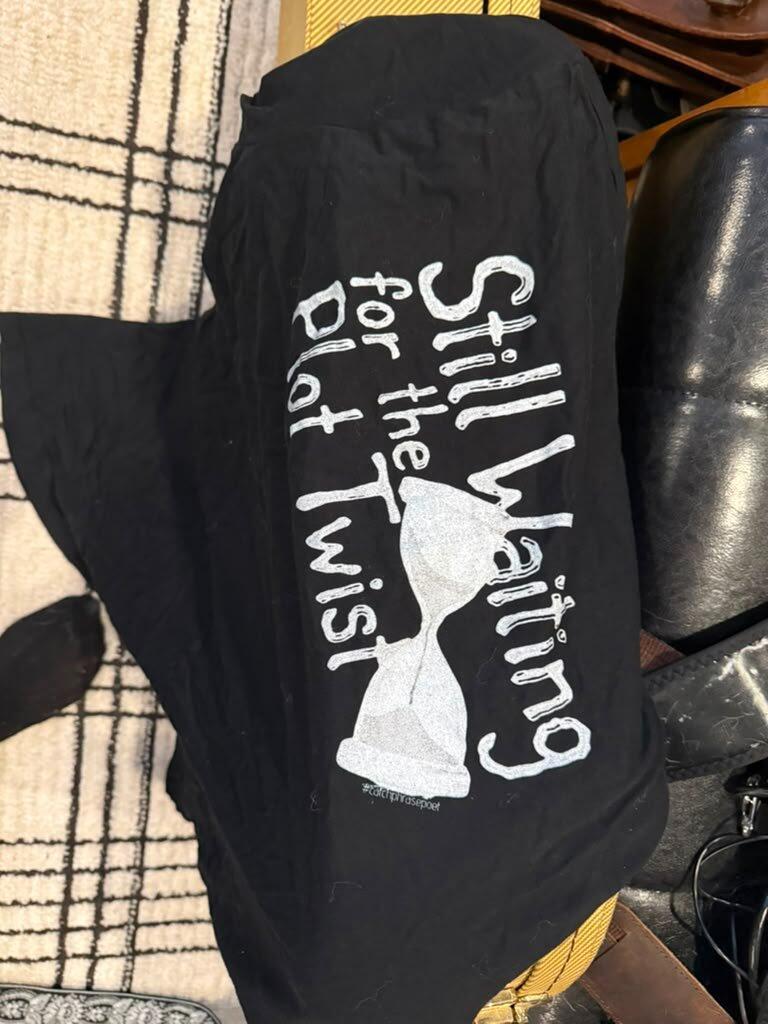
Decoding Urban Wear: Top 2025 Streetwear Trends and Styling Tips for Self-ExpressionUrban wear has evolved into a powerful medium for self-expression, reflecting individuality and cultural narratives. This article delves into the latest trends in urban fashion for 2025, offering styling tips that empower personal identity through clothing choices. As urban wear continues to dominate street style, understanding its nuances can help individuals curate outfits that resonate with their unique motivations and affirmations. Many people struggle to find clothing that not only looks good but also conveys their personal message. This guide provides insights into the defining characteristics of urban wear, the trends shaping 2025, and practical styling advice to make bold statements. We will explore the role of statement clothing, the influence of gender-neutral fashion, and where to find sustainable urban wear collections.What Defines Urban Wear and Its Role in Self-Expression?Urban wear is characterized by its blend of comfort, functionality, and style, often drawing inspiration from street culture, music, and art. This fashion genre serves as a canvas for individuals to express their identities, beliefs, and motivations through clothing. The significance of urban wear lies in its ability to reflect personal narratives and cultural backgrounds, allowing wearers to communicate their values without uttering a word.How Does Urban Wear Reflect Individuality and Motivation?Urban wear embodies individuality by offering diverse styles that cater to various tastes and preferences. For instance, graphic tees featuring motivational affirmations or bold catchphrases can inspire confidence and resilience. This connection between clothing and personal motivation is crucial, as it empowers individuals to showcase their beliefs and aspirations through their fashion choices. By wearing pieces that resonate with their identity, individuals can foster a sense of belonging and self-acceptance.Which Urban Streetwear Trends Dominate 2025?As we look ahead to 2026, several key trends are set to shape the urban streetwear landscape. These trends not only influence styling choices but also reflect broader cultural shifts within society.
Oversized Silhouettes: Oversized clothing continues to dominate urban fashion, offering comfort and a relaxed aesthetic. This trend allows for layering and personal expression, making it a staple in streetwear wardrobes.
Sustainable Materials: The push for sustainability is reshaping urban clothing, with brands increasingly using eco-friendly materials. This shift not only addresses environmental concerns but also appeals to conscious consumers seeking stylish yet responsible fashion choices.
Bold Graphics and Statements: Graphic tees and statement pieces remain central to urban wear, allowing individuals to convey messages and showcase their personalities through eye-catching designs.
What Are Oversized Silhouettes and How Do They Influence Style?Oversized silhouettes are characterized by loose-fitting garments that provide a relaxed and comfortable look. This trend influences style by encouraging layering, allowing individuals to mix and match various pieces for a unique outfit. For example, pairing an oversized hoodie with tapered joggers creates a balanced silhouette that is both stylish and functional. The versatility of oversized clothing makes it a favorite among urban wear enthusiasts, as it can be dressed up or down depending on the occasion.How Are Sustainable Materials Shaping Urban Clothing?Sustainable materials are becoming increasingly important in urban fashion, with many brands prioritizing eco-friendly fabrics such as organic cotton, recycled polyester, and hemp. This shift not only reduces the environmental impact of clothing production but also resonates with consumers who value sustainability. Brands that incorporate these materials into their collections are often seen as leaders in the industry, appealing to a growing demographic of environmentally conscious shoppers.How To Style Urban Wear for a Bold Statement?Styling urban wear effectively involves understanding how to combine different elements to create a cohesive and impactful look. Here are some tips to help you make a bold statement with your urban outfits.
Layering Techniques: Mastering layering is essential for achieving a stylish urban look. Start with a base layer, such as a fitted t-shirt, and add oversized pieces like jackets or hoodies. This approach not only adds depth to your outfit but also allows for versatility in changing weather conditions.
Incorporating Graphic Tees and Statement Pieces: Graphic tees are a staple in urban wear, serving as a focal point for any outfit. Pair a bold graphic tee with neutral bottoms to let the shirt stand out. Additionally, incorporating statement accessories, such as chunky sneakers or unique hats, can elevate your look and showcase your personal style.
What Are Effective Layering Techniques in Streetwear?Effective layering in streetwear involves combining various textures and lengths to create visual interest. Start with a fitted base layer, then add a mid-layer, such as a flannel shirt or lightweight jacket, before finishing with an oversized outer layer. This technique not only keeps you warm but also allows for easy adjustments throughout the day. Experimenting with different lengths and fabrics can lead to unique combinations that reflect your personal style.How To Incorporate Graphic Tees and Statement Pieces?Incorporating graphic tees into your urban wear can be done in several ways. For a casual look, pair a graphic tee with distressed jeans and sneakers. For a more polished outfit, tuck the tee into high-waisted trousers and add a blazer. Statement pieces, such as bold accessories or unique footwear, can further enhance your outfit, making it stand out in a crowd. The key is to balance the graphic elements with more subdued pieces to create a harmonious look.Why Is Statement Clothing Central to Urban Fashion?Statement clothing plays a pivotal role in urban fashion, allowing individuals to express their beliefs and identities through their attire. This type of clothing often features bold graphics, unique designs, and motivational messages that resonate with wearers on a personal level.How Does Catch Phrase Poet Clothing Empower Self-Expression?Catch Phrase Poet Clothing is a brand that offers apparel featuring edgy motivational affirmations and witty quotes. By wearing these pieces, individuals can showcase their personality and values, making a statement about who they are and what they believe in. The brand's focus on self-expression through fashion aligns with the core principles of urban wear, empowering individuals to embrace their identities confidently.What Impact Does Motivational Apparel Have on Urban Dialogue?Motivational apparel has the power to spark conversations and inspire change within urban communities. By wearing clothing that features positive affirmations or thought-provoking messages, individuals can engage others in discussions about personal growth, resilience, and motivation. This dialogue fosters a sense of community and encourages individuals to share their stories and experiences, further enriching the urban fashion landscape.How Is Gender-Neutral Styling Influencing Urban Wear?Gender-neutral styling is gaining traction in urban fashion, promoting inclusivity and self-expression for all individuals, regardless of gender. This trend challenges traditional fashion norms and encourages a more fluid approach to clothing.What Are Key Tips for Styling Unisex Hoodies and Sweatshirts?When styling unisex hoodies and sweatshirts, consider opting for oversized fits that provide comfort and versatility. Pair these pieces with tailored trousers or fitted jeans to create a balanced silhouette. Accessorizing with statement jewelry or unique footwear can further enhance the look, allowing for personal expression while embracing the gender-neutral trend.How Does Gender-Neutral Fashion Promote Individuality?Gender-neutral fashion promotes individuality by allowing individuals to choose clothing that resonates with their personal style rather than conforming to traditional gender norms. This approach encourages creativity and self-exploration, enabling individuals to express their identities authentically through their fashion choices. By embracing gender-neutral styles, wearers can break free from societal expectations and celebrate their uniqueness.Where Can You Find Sustainable and Trendy Urban Wear Collections?Finding sustainable and trendy urban wear collections has become easier as more brands prioritize eco-friendly practices. Here are some tips for discovering the latest styles that align with your values.
Research Sustainable Brands: Look for brands that emphasize sustainability in their production processes and materials. Many companies now provide transparency about their sourcing and manufacturing practices, making it easier for consumers to make informed choices.
Shop Online for the Latest Trends: Online platforms often feature a wide range of urban wear collections, allowing you to explore various styles and brands from the comfort of your home. Look for websites that curate sustainable options to ensure your purchases align with your values.
Which Catch Phrase Poet Products Feature Eco-Friendly Materials?Catch Phrase Poet Clothing offers some products made from sustainable materials, including organic cotton t-shirts and recycled polyester hoodies. These eco-friendly options help reduce environmental impact while providing stylish choices for conscious consumers. By choosing these products, individuals can express their personal style while supporting sustainable fashion practices.How To Shop Urban Streetwear Online for the Latest Trends?When shopping for urban streetwear online, consider the following tips to ensure you find the latest trends:
Follow Fashion Influencers: Keep an eye on fashion influencers who specialize in urban wear for inspiration and recommendations on where to shop.
Utilize Social Media: Platforms like Instagram and Pinterest are great for discovering new brands and styles. Use hashtags related to urban fashion to find trending pieces.
Sign Up for Newsletters: Many brands offer newsletters that provide updates on new collections, sales, and exclusive offers. Signing up can help you stay informed about the latest trends in urban wear.
Women's Affirmation Tees — Level Up · Be The SolutionAffirmation tees are more than printed designs—they're short, wearable prompts that shape how you show up. Phrases like “Level Up” and “Be The Solution” nudge personal growth and community action at a glance. This guide explains what affirmation tees do, why they matter for women at different stages, where to find original artful designs, and how to care for your pieces so both the message and the shirt last. You’ll find the psychology behind affirmation clothing, simple ways to turn a slogan into a daily ritual or community tool, and clear criteria for picking ethically made, inclusive tees. Along the way we tie message, design, and materials to real uses—gifts, work rituals, activism—so you can choose clothing that helps you look good and act with purpose.What Are Women's Positive Affirmation Tees — and Why They MatterAffirmation tees pair bold, clear visuals with short motivational phrases to support mindset shifts and social connection. They do two things at once: provide repeated visual cues that encourage supportive self-talk, and serve as outward signals that invite conversation and align you with others. The result is practical—a private prompt that boosts focus and confidence and a public marker that can open doors or start meaningful exchanges. Understanding how those layers work makes it easy to see why a simple tee can be a compact tool for intention and impact.Affirmation tees help in three dependable ways:
Daily reminder: A visible phrase keeps your goals and intentions in view throughout the day.
Confidence trigger: Wearing a positive line can subtly shift posture, tone, and presence.
Social cue: Messages invite connection and make it easier to find like-minded people.
Those internal and social pathways reinforce each other: the reminder guides behavior, and the signal builds support and accountability. If you want unique designs, many independent makers and specialty brands offer artful affirmation tees that pair meaningful copy with creative graphics—perfect for mindful shoppers who want more than a slogan.How Affirmation Shirts Empower WomenAn affirmation tee links identity to action—the shirt becomes a small ritual and a public declaration of intent. Research on self-affirmation shows that reminders of valued parts of ourselves reduce stress and help sustain motivation, so slipping on a meaningful phrase can quiet doubt before a meeting or presentation. Practically, wearing an affirmation tee to an interview, a workshop, or a workout creates a predictable cue that aligns behavior with purpose. The social reactions you receive—nods, compliments, conversations—reinforce that identity and help the message stick.
Self-Affirmation via Aesthetic Product SelectionsThis study explores how product aesthetics influence self-affirmation, focusing on functional items like art and apparel that people choose in meaningful ways.That sense of empowerment builds over time. Each wear reinforces the habit, so the exact wording on a tee matters—small differences in phrasing can steer different kinds of action.What "Level Up" and "Be The Solution" Communicate"Level Up" is an inward prompt to keep growing. It nudges steady progress and reframes setbacks as steps forward—great for career moves, training milestones, or creative practice. Wear it on days when you want a mental push for focus: presentations, launches, or deep-work sessions."Be The Solution" turns attention outward. It’s a call to act—encouraging responsibility, collaboration, and leadership—ideal for volunteer efforts, community organizing, or situations where constructive action matters. Together, these phrases cover a practical range: one focuses inward on growth, the other on contributing to change.Where to Find Unique, Artistic Women's Motivational TeesLook for curated collections, independent creators, and specialty labels that prioritize original artwork, clear affirmation themes, and transparent material notes. When you browse, pay attention to design originality, fabric quality, ethical sourcing, and sizing range—those factors ensure the tee supports both your message and everyday wear. These guidelines help you move past generic slogans to pieces that feel personal and thoughtfully made.Shopping checklist before you buy:
Artistic originality: Seek hand-drawn or one-off graphics rather than generic stock images.
Material transparency: Check fabric content and sourcing, especially for ethically produced cotton.
Inclusive sizing: Choose brands that offer a range of fits so the message sits confidently on your body.
Quick reference: how sample collections pair message and features.
Collection / Product
Affirmation Message
Key Features
Positive Affirmations Collection
Mixed messages like "Be The Solution"
Original art, inclusive sizing, ethically noted materials
Women's Artistic Tees
Uplifting slogans and hand-drawn graphics
Creative palettes, layered printing, varied fits
Unisex / Kids Options
Family-friendly affirmations
Durable fabrics, children's sizes, versatile styling
This comparison highlights the features that matter when you choose motivational tees and helps you match message to material and fit. If you like curated, art-forward affirmation apparel, independent designers and specialty brands often offer Positive Affirmations collections that blend creative intent with inclusive sizing and clear material notes.
Understanding the Effects of Self-AffirmationThis review summarizes how self-affirmation produces varied outcomes depending on context and individual differences, and it considers products—like art or apparel—that serve a functional role in those processes.What Makes Independent Designers' Affirmation Apparel SpecialIndependent designers treat each tee like wearable art. Their pieces often include hand-rendered details and carefully chosen phrases, so garments feel personal rather than mass-produced. Many of these makers also highlight sizing options and ethical material choices, making their tees thoughtful gifts or dependable everyday favorites.Those qualities translate into value: pieces feel more meaningful, fit more body types, and come with clearer information about longevity and sourcing—so buying one feels intentional and responsible.How Inclusive Sizing and Style Strengthen Affirmation ClothingInclusive sizing and diverse styles make affirmation messages more accessible and resonant. When a tee fits well—not too tight, not too loose—the wearer can embody the message more naturally. Offering women's cuts, unisex options, and kids’ sizes lets families and groups share statements across generations and styles.Fit tips: check size guides, choose comfort for active days, and pick styles that layer easily. Inclusive options expand who can wear the message confidently and increase representation in public spaces.How "Level Up" and "Be The Solution" Shirts Support Personal GrowthWearing a "Level Up" or "Be The Solution" tee turns abstract intentions into frequent visual cues. These messages act as primes—triggering preparation, conversation, or commitment—and those small responses accumulate into habit change. Use the tee for rituals, group events, or public commitments to make progress visible and trackable.Practical ways these shirts support growth:
Rituals: Wear "Level Up" on planning or review days to cue focus and follow-through.
Public commitments: Use "Be The Solution" at volunteer events to identify leaders and encourage action.
Accountability: Coordinate matching tees with peers to create shared commitments and momentum.
These simple prompts show how a short phrase on clothing can translate into daily habits and community-minded behaviors, linking personal improvement with social impact.What "Level Up" Means in Motivational FashionIn fashion, "Level Up" is a concise call to progress—inviting small, steady growth and renewed effort. It reframes bumps in the road as part of the journey and signals readiness for the next step. Wear it before interviews, workouts, or study sessions to prime preparation, or as a celebratory marker after hitting a milestone. Used regularly, it becomes part of rituals—planning, tracking, reflecting—that keep momentum going.Over time, that ritual use turns the phrase into a reliable cue for action.How "Be The Solution" Encourages Civic and Community Action"Be The Solution" points outward: it nudges constructive action instead of complaint. At events it can identify volunteers, moderators, or team leads and help organize groups. Brands and wearers can link the message to causes—donating proceeds or using themed apparel at fundraisers—to reinforce impact. The phrase reframes clothing as a practical tool for civic participation and collective problem solving.Paired with visible commitments and community events, the slogan becomes a catalyst for coordinated action.
Affirmation
Action Prompt
Example Use
Level Up
Daily progress and skill-building
Wear during training or milestone days
Be The Solution
Proactive responsibility and leadership
Volunteer tee at community cleanups
Self-Love
Compassionate self-care habits
Gift to teens or for wellness retreats
This table shows how different messages map to concrete actions—helping you choose an affirmation tee that suits your goals and events.Benefits and Care Tips for Women's Affirmation TeesAffirmation tees give steady mindset support—boosting confidence, strengthening persistence, and signaling values—while doubling as comfortable, wearable art when made from quality materials. To protect both message and fabric, follow simple care steps that preserve print and shape. Choosing ethically sourced cotton or similar materials improves comfort and durability and aligns your purchase with conscious values.How Affirmation Tees Support Daily Confidence and FocusThese tees act as small, wearable interventions that anchor goals and shape moment-to-moment choices. A glance at "Level Up" during routine work nudges you toward progress, and positive responses from others reinforce the identity the tee projects. Making a routine—wearing a message tee on planning days or before important tasks—creates repeated cues that build habit. Over time, micro-behaviors like preparation and follow-through become more automatic, strengthening confidence and clarity.Try this quick practice: put on the tee, state one clear goal out loud, then begin the task—this sequence links the garment to action and speeds up change.
Mechanisms of Self-Affirmation: An Integrative ReviewThis integrative review outlines psychological, social, and neural mechanisms that help explain how self-affirmation works and why context and individual differences shape outcomes.Before the fabric-care table: the chart below compares common fabric types and what to expect for durability and washing needs, so you can pick materials that fit your lifestyle.
Fabric Type
Durability
Care Recommendation
Organic cotton
Moderate–high; softens nicely with wear
Machine wash cold, inside-out; hang or low-heat dry
Cotton blend
Good color retention and fit
Wash cold; tumble dry low; avoid bleach
Polyester blend
High color retention; quick-dry
Wash cold; low-heat drying; avoid high-heat exposure
This comparison helps you balance feel, longevity, and maintenance when choosing affirmation tees so your pieces stay meaningful and durable.Best Practices for Caring for Motivational Graphic TeesProtect both prints and fabric by keeping wash and storage simple and gentle. Turn tees inside-out and wash on a cold cycle with mild detergent; avoid bleach and harsh additives that break down ink and fibers. Air-dry when possible or tumble dry low to preserve print and shape. Fold tees flat for storage to prevent shoulder stretch and keep prints facing inward to reduce surface wear.Care checklist:
Wash inside-out on a cold cycle.
Use mild detergent; avoid bleach.
Air-dry or tumble dry low; avoid high heat.
Fold flat for storage to preserve shape and print.
Following these steps keeps both the look and the message intact. For specific garment notes, check product pages for fabric content and recommended care—look for ethically sourced cotton and clear printing instructions when buying pieces you want to last.Questions about custom designs, ethical sourcing, or anything else? Please reach out. Our team is glad to help.Frequently Asked Questions1. How can I effectively use affirmation tees for personal development?Make affirmation tees part of a simple routine. Wear your "Level Up" tee during planning sessions or before important tasks to reinforce a goal. Pair the shirt with a short action—say your objective aloud, jot it down, then start—that links the garment to intention and increases follow-through.2. What are the psychological benefits of wearing affirmation tees?Wearing affirmation tees can lift self-esteem and quiet doubt. Visible messages act as continual reminders of your goals and values, helping shape a positive mindset. Research shows self-affirmation can reduce stress and boost motivation, making it easier to face challenges.3. How do I choose the right affirmation message for my needs?Reflect on what you want right now. Choose a message that matches your aim—"Level Up" for growth and focus, "Be The Solution" for community action. Think about when you'll wear it and pick a phrase that feels authentic and motivating in those moments.4. Can affirmation tees be used in professional settings?Yes—when styled appropriately. A motivational tee can boost confidence and start conversations at meetings, presentations, or networking events. Pick a tasteful design and message like "Level Up" that fits your workplace culture so you stay professional while expressing personal values.5. How can I promote inclusivity through affirmation tees?Support brands that offer broad size ranges and diverse styles so everyone can wear messages comfortably. Choose designs and language that resonate across communities and encourage shared action. Wearing and sharing inclusive tees helps build belonging and visibility.6. What are some creative ways to gift affirmation tees?Pick a message that fits the recipient’s goals—"Level Up" for someone starting a new role, "Be The Solution" for a community-minded friend—and include a short, handwritten note about why you chose it. Pair the tee with a journal or self-care item for a thoughtful, themed gift.7. How do I maintain the quality of my affirmation tees over time?Wash inside-out on cold with mild detergent, avoid bleach, and air-dry when possible. If you use a dryer, keep it on low. Fold tees to retain shape and protect prints. These habits keep the fabric and message looking fresh for years.1. How can I incorporate positive affirmation tees into my daily routine?Make them part of rituals: wear your "Level Up" tee on planning days or before big tasks, or choose "Be The Solution" for volunteer shifts. Pair the shirt with a short habit—say one goal aloud, write it down, then begin—to connect the message to action and strengthen commitment.2. Are there specific occasions when wearing affirmation tees is particularly beneficial?Yes. Affirmation tees are useful when you need focus or confidence—interviews, presentations, performances—and in community settings like fundraisers or cleanups where a clear message can unite and inspire people. They’re versatile for private prep and public action.3. What should I look for when selecting a positive affirmation tee?Prioritize original design, fabric quality, and inclusive sizing. Choose graphics and phrases that speak to you, pick comfortable, well-made fabrics, and confirm a size range that supports a confident fit. Transparency about materials and sourcing is a plus for responsible buying.4. How do positive affirmation tees contribute to community building?They start conversations and serve as shared symbols of values. Wearing the same message at an event or in a group fosters belonging and prompts collaboration. In short, they help you find people who care about the same things and make organizing easier.5. Can affirmation tees be used as gifts, and if so, how?Absolutely. Choose a message that fits the recipient—"Level Up" for someone stepping into a new challenge, "Be The Solution" for a civic-minded friend—and add a note explaining why you picked it. That personal touch turns a tee into a meaningful, motivating gift.6. How do I ensure the longevity of my affirmation tees?Wash inside-out on cold with mild detergent, avoid bleach, and air-dry when you can. Use low heat if tumble drying. Fold tees for storage to keep shape and protect prints. These simple habits preserve both fabric and message for years.7. What role do colors and designs play in the effectiveness of affirmation tees?Color and design shape mood and clarity: bright palettes energize, muted tones feel calm. Pick visuals that match the emotion you want the message to evoke and that suit your style—when the design resonates, you’ll wear and embody the message more often.ConclusionAffirmation tees are small daily tools that lift confidence, encourage action, and build community through shared messages. Choose thoughtfully designed, ethically made options in inclusive sizes and your wardrobe becomes an extension of your goals and values. Browse our curated motivational collection and wear a message that moves you—from intention into action.ConclusionAffirmation tees are simple, powerful reminders that boost confidence, spark action, and open up conversations. When you pick ethically made, artful designs in inclusive sizes, your clothes start doing more than covering—you send a message. Explore our unique collection and wear something that helps you show up with purpose.
Sustainable Print-on-Demand Fashion: How Eco-Friendly Streetwear Brands Create Unique Artistic ApparelSustainable print-on-demand fashion combines made-to-order production with mindful material choices to deliver artistic streetwear while cutting waste and overproduction. This article explains what sustainable POD means, how it reduces landfill-bound unsold inventory, and why eco-conscious shoppers increasingly choose sustainable graphic tees, eco-friendly hoodies, and affirmation apparel for everyday wear. Readers will learn the mechanics of POD versus traditional fashion, which eco-friendly materials perform best for comfort and durability, and how inks, dyes, and partner selection influence real-world sustainability outcomes. The guide also covers ethical quality controls, the cultural appeal of affirmation-based designs for men, women, and children, and practical shopper checklists for identifying authentic sustainable streetwear brands. Practical examples and three comparison tables illustrate material tradeoffs, POD process elements, and certification signals so you can evaluate brands and purchases with confidence. Throughout, keywords like sustainable fashion, ethical clothing, and print-on-demand sustainability are woven into actionable explanations to help you make smarter, greener apparel choices.What Is Sustainable Print-on-Demand Fashion and Why Does It Matter?Sustainable print-on-demand fashion is a production model where garments are printed or finished only after a customer orders, which reduces unsold inventory and the environmental cost of mass production. This mechanism—made-to-order manufacturing—lowers SKU proliferation and prevents the frequent markdown-and-dump cycle that sends perfectly wearable clothing to landfills. The value for consumers is clear: more personalized, artistic apparel choices with fewer wasteful byproducts and smaller upfront capital needs for brands, which often allows selective sourcing of better materials. Print-on-demand reduces speculative runs, and as a result, firms can prioritize non-toxic inks and responsibly sourced fabrics without the pressure to hit large minimum volumes. Understanding this framework sets up the direct comparison with traditional fashion manufacturing and introduces how ink, fabric, and fulfillment decisions change the footprint of streetwear.How Does Print-on-Demand Reduce Waste Compared to Traditional Fashion?Print-on-demand reduces waste by eliminating bulk production and matching supply directly to demand, which prevents surplus inventory that often ends up in landfills. In conventional fast-fashion workflows, large runs are produced based on forecasts and trends; unsold units frequently result in heavy discounting, destruction, or disposal. POD removes that middle step by initiating production only after purchase, which leads to lower storage needs and fewer returns driven by mass-market sizing mismatches. Recent studies and market analysis through the mid-2020s show lowered inventory turnover-related emissions when made-to-order models replace speculative manufacturing. This reduction in excess inventory not only shrinks material waste but also creates an economic incentive for brands to invest in better materials and printing processes that would be cost-prohibitive for large-scale, throwaway collections. For more insights into the broader impact of textile waste, refer to environmental statistics from the EPA.This made-to-order approach is a cornerstone of slow fashion strategies, as highlighted by recent research.
Make-to-Order Business Model for Slow Fashion StrategyThe main objective of this study was to create an effective strategy for an online make-to-order business that practices slow fashion and targets mainly women as customers.Make-to-order business model: slow fashion as a strategy, 2021What Defines Eco-Friendly Streetwear in Today’s Market?Eco-friendly streetwear is defined by a combination of sustainable materials, low-impact printing methods, production transparency, and lifecycle thinking that prioritizes durability and repairability. Materials like organic cotton and recycled polyester reduce reliance on virgin petrochemicals and avoid intensive agrochemical use, while water-based inks lower toxic runoff and VOC emissions during printing. Transparency about supplier relationships and clear sizing guidance further separates genuinely sustainable brands from greenwashed labels. Consumers now look for garments designed for longer wear—artist-driven graphics and affirmations that encourage meaningful use—rather than disposable, trend-chasing pieces. These criteria form a holistic view of sustainability that encompasses sourcing, manufacturing, and post-purchase stewardship.Which Eco-Friendly Materials Are Used in Sustainable Streetwear?Sustainable streetwear relies on several primary material classes—organic cotton, recycled polyester, hemp, and Tencel (lyocell)—each offering distinct environmental and performance characteristics. Brands select fabrics based on factors like source, feel, durability, and washcare to balance sustainability with consumer expectations for comfort and longevity.The growing appeal of these materials is further underscored by their excellent lifecycle and environmental benefits, as recent studies confirm.
Natural Fiber Sustainable Materials for Eco-Friendly StreetwearNatural fiber-based sustainable materials have become more and more popular due to their excellent life cycle, affordability, biodegradability, high mechanical properties, and environmental friendliness. These materials are widely used in many engineering applications, and the field is expanding as a result of ongoing research.Eco-Friendly Materials Revolutionizing Streetwear and Smart Clothing, 2024Different fibers offer tradeoffs across feel, environmental impact, and care instructions.
Material
Source / Attribute
Value for Consumers
Organic cotton
Grown without synthetic pesticides; often uses regenerative practices
Soft, breathable, suitable for tees and casual wear; lower chemical footprint
Recycled polyester
Made from post-consumer plastic bottles or textile waste
Durable, moisture-managing; reduces virgin petroleum use and landfill plastic
Hemp
Fast-growing fiber with low water and pesticide needs
Rugged, long-lasting; softens with wear—good for outerwear and durable cuts
Tencel (Lyocell)
Wood-pulp fiber produced in closed-loop solvents
Silky hand, breathable, biodegradable under right conditions; versatile for blends
This comparison highlights that no single fiber is perfect; combining material choices with low-impact inks and good design yields the best sustainability outcomes. Understanding these tradeoffs helps shoppers select pieces that match intended wear and care patterns.What Are the Benefits of Organic Cotton and Recycled Fabrics?Organic cotton and recycled fabrics each deliver clear environmental and consumer benefits while presenting tradeoffs related to cost and care. Organic cotton reduces exposure to agrochemicals and often supports healthier soil systems through regenerative practices, translating to comfortable, breathable shirts and sweatshirts that are gentle on skin. Recycled polyester repurposes existing plastics, lowering virgin feedstock use and preventing bottles from entering landfills, and it performs well in durable garments like hoodies and bomber jackets. Tradeoffs include potentially higher retail prices due to smaller production runs and the complexity of recycling blended fibers at end-of-life. For everyday graphic tees, organic cotton often wins on comfort, whereas recycled polyester excels in sweatshirts and performance outerwear for its strength and moisture resistance.
Reduced Chemical Exposure: Organic cotton avoids synthetic pesticides that harm ecosystems and workers.
Resource Efficiency: Recycled polyester lowers demand for new petroleum-based fibers and diverts plastic waste.
Use-Case Guidance: Choose organic cotton for soft tees and recycled blends for durable hoodies and outerwear.
These benefits suggest practical garment recommendations: pick organic cotton for breathability and daily tees, and choose recycled blends for longevity and performance, balancing sustainability with functional needs.How Do Water-Based Inks and Sustainable Dyes Enhance Apparel Sustainability?Water-based inks and low-impact dyes reduce the toxic burden of textile printing by minimizing volatile organic compounds and hazardous effluent from production facilities. Water-based inks sit on the fiber rather than saturating synthetic binders, which often improves print feel and can enhance biodegradability compared to plastisol prints. Sustainable dyeing methods reduce water and energy use through improved fixation rates or closed-loop systems, cutting downstream pollution and wastewater treatment needs. Consumers should follow care guidance—such as cold water washes and air drying—to preserve print vibrancy while conserving resources. Understanding ink and dye technologies helps buyers select prints that match their environmental priorities while ensuring the graphic longevity that supports longer garment life.The environmental advantages of switching to water-based inks are significant, with studies demonstrating substantial reductions in VOC emissions and energy consumption.
VOC Emission Reduction & Energy Efficiency with Water-Based InksThe results indicate that after the implementation of the three suggested economically reasonable IPPC alternatives (replacement of solvent-based with water-based inks; modernisation of the ventilation and lighting system), the VOC emissions decreased to 8.4 kg/t (92.5%) and the total energy consumption for the production of 1 t of flexible packaging decreased to 605.6 kWh/t (21.5%).VOC emission reduction and energy efficiency in the flexible packaging printing processes: analysis and implementation, 2018How Do Ethical Print-On-Demand Clothing Brands Ensure Quality and Sustainability?Ethical POD brands ensure quality and sustainability through deliberate partner selection, material vetting, and production quality controls that prioritize both product performance and environmental impact. Brands evaluate printing partners for responsible handling of inks and wastewater, insist on tested fabric performance, and run pre-production print tests to maintain color fidelity and wash durability. Made-to-order processes act as both a sustainability lever and quality control step by enabling smaller, testable runs and direct feedback loops from customers to designers. These practices create traceable workflows and can justify higher material investments because inventory risk is minimized.Before the table, note that brands balance speed, sustainability, and cost when choosing printing partners, and those tradeoffs determine the final garment footprint.
Process Element
Attribute
Value
Made-to-order workflow
Production model
Eliminates bulk inventory; lowers overproduction risk
Ink & dye choice
Material input
Water-based inks and low-impact dyes reduce pollution
Printing partner standards
Operational control
Partner audits and quality testing improve durability and compliance
What Are the Unique Artistic and Affirmation-Based Design Elements?Artistic and affirmation-based designs often combine hand-drawn illustration, expressive typography, and meaningful messages that elevate emotional value and extend garment life. These designs favor clarity, longevity, and personal resonance over fleeting trendiness, encouraging wearers to keep and reuse pieces rather than cycle them out quickly. Artist-driven graphics create distinct identity markers that support self-expression and social connection, which can translate to more frequent wear and stronger attachment. Brands that emphasize affirmations balance legibility and subtlety so messages work across age groups and contexts; this design longevity supports sustainability by reducing disposable consumption and promoting mindful wardrobe curation.How Does Made-to-Order Production Support Ethical and Eco-Friendly Practices?Made-to-order production supports ethical and eco-friendly practices by aligning manufacturing volumes with actual demand, enabling brands to source higher-quality materials without incurring large minimums that can drive wasteful output. This alignment reduces surplus, which in turn decreases pressure for deep discounting and product destruction, while allowing brands to partner with printers who prioritize low-impact inks and controlled waste handling. For consumers, accurate sizing guides and clear product descriptions reduce returns, which further cuts transportation emissions and processing waste.
Check sizing charts and measure against a trusted item before ordering.
Prefer unisex cuts for flexible fit and lower return likelihood.
Consider fabric blends and care requirements to match lifestyle and prolong wear.
These steps help shoppers reduce returns and participate in the sustainability advantages that made-to-order models provide.In practice, brands that use made-to-order workflows can focus on quality assurance and customer education to ensure both ethical labor visibility and reduced environmental impact. Catch Phrase Poet exemplifies aspects of this approach by operating a made-to-order model, offering artist-driven apparel—including graphic tees, hoodies, sweatshirts, and bomber jackets—and using soft, breathable fabrics such as ring-spun cotton and cotton blends. This made-to-order strategy enables Catch Phrase Poet to emphasize high-quality printing and meaningful designs that promote longer garment use, and the brand’s inclusive sizing helps reduce returns by accommodating a broader range of customers. These operational choices illustrate how made-to-order production can be paired with design and material decisions to help realize sustainability goals and improved product longevity.Why Are Sustainable Graphic Tees and Streetwear Popular Among Men, Women, and Children?Sustainable graphic tees and streetwear resonate because they combine self-expression, ethical values, and practical comfort into everyday clothing that works across ages and genders. Affirmation apparel—positive phrases or meaningful art—serves as wearable messaging that supports wellbeing and invites connection, which appeals broadly from adults to children seeking identity cues. Inclusive sizing and unisex cuts make it easier for families and groups to find matching pieces, increasing the gifting and shared-wear appeal of sustainable items. Additionally, consumers increasingly prioritize brands that reflect their values; sustainable streetwear signals environmental awareness while offering the warmth, softness, and durability expected from quality tees and hoodies. These cultural drivers sustain demand and encourage brands to invest in better materials and manufacturing transparency.How Does Affirmation Apparel Promote Self-Expression and Well-Being?Affirmation apparel promotes self-expression and well-being by turning internal messages into visible reminders that can reinforce positive self-talk and invite supportive social interactions. Positive phrases printed on tees and sweatshirts serve as cues that shape daily mindset and can spark conversations that increase social support and belonging. For children and teens, affirmations on clothing can model constructive language and boost confidence, while adults often adopt subtle typographic designs to communicate values with nuance. Evidence from behavioral studies indicates that repeated positive cues influence mood and behavior, and wearable affirmations integrate those cues into routine life. Designing affirmations with readability and tasteful aesthetics ensures they remain relevant rather than appearing preachy, encouraging sustained wear and longer garment life.What Inclusive Sizing and Styles Are Available in Eco-Friendly Streetwear?Eco-friendly streetwear brands commonly offer unisex cuts, extended size ranges, and children’s sizes to ensure accessibility for men, women, and families. Unisex silhouettes simplify inventory while providing versatile fits that many customers prefer; offering extended ranges reduces exclusion and supports more circular purchasing by minimizing ill-fitting returns. For children’s offerings, materials focus on durability and easy care for repeated wear and washing. Product pages that include fit notes and real-measurement charts help customers choose the right size and reduce the rate of returns, supporting the sustainability advantages of made-to-order production. Clear guidance on fabric shrinkage, intended fit (relaxed vs. fitted), and layering recommendations builds trust and reduces sizing-related waste.Catch Phrase Poet’s product assortment—artist-driven graphic tees, hoodies, sweatshirts, and bomber jackets—illustrates a family-friendly range with inclusive sizing and soft, breathable fabrics like ring-spun cotton and cotton blends that appeal across genders and ages. By combining thoughtful fits with meaningful designs, such offerings increase the perceived lifetime value of garments and encourage continued use rather than quick disposal.How Can Consumers Identify and Support Authentic Eco-Friendly Streetwear Brands?Consumers can identify authentic eco-friendly streetwear brands by checking for meaningful transparency around materials, production methods, and supply chain practices, and by looking for recognized certifications where appropriate. Key signals include clear fabric composition, details on inks and dye processes, information about partner printers, and sizing guidance that reduces returns. Asking brands about takeback or repair programs and verifying any certification claims through certifier registries helps avoid greenwashing.Below is a concise checklist table summarizing certifications, what they mean, and how to verify claims so shoppers can make informed choices.
Certification or Signal
What It Means
How to Verify
GOTS (Global Organic Textile Standard)
Organic fiber and social criteria
Check certifier registry or ask for certificate number
Oeko-Tex
Low levels of harmful substances in textiles
Look for Oeko-Tex standard and class information
Fair Trade / Ethical Labor signals
Better labor conditions and pay practices
Request supplier info or audit summaries; seek transparency pages
What Certifications and Transparency Should Shoppers Look For?Shoppers should prioritize verifiable certifications like GOTS and Oeko-Tex when relevant, but also evaluate brands on narrative transparency about materials, inks, and partner practices. Certifications indicate third-party assessment of specific attributes—GOTS for organic fiber and traceability, Oeko-Tex for restricted substances—while transparency pages, production photos, and supplier descriptions provide context around labor and environmental practices. To verify, consumers can request certificate numbers, check certifier registries, and review any audit summaries the brand shares. For many small or artist-driven POD brands, complete certification across all partners may not be present; in those cases, detailed fabric and printing disclosures plus a made-to-order model that reduces waste are still positive indicators of responsible practice.How Does Catch Phrase Poet Demonstrate Commitment to Sustainable Fashion?Catch Phrase Poet demonstrates commitment through its made-to-order model, artist-driven apparel offerings, and use of soft, breathable fabrics such as ring-spun cotton and cotton blends that prioritize comfort and wearability. Operating on a made-to-order basis reduces overproduction risk and supports higher material choices without maintaining large inventories, which aligns with sustainability goals. The brand focuses on meaningful designs—affirmation and artist-driven graphics—that encourage longer garment use, and it provides inclusive sizing to broaden accessibility and reduce unnecessary returns. While specific certification claims are not listed, these operational choices—made-to-order production, emphasis on fabric quality, and design-for-longevity—are tangible steps shoppers can evaluate when considering purchases.What Are the Environmental and Social Benefits of Choosing Sustainable Print-on-Demand Apparel?Choosing sustainable print-on-demand apparel yields environmental benefits like reduced overproduction, lower inventory-related waste, and decreased need for markdown-driven disposal. Social benefits can include improved traceability and the ability for brands to form closer partnerships with printers and suppliers that uphold better labor practices, since smaller, traceable runs are easier to audit than mass production pipelines. When consumers prioritize durable materials and meaningful designs, they support a circular approach that extends garment life and encourages second-hand resale, repair, and reuse. These choices collectively contribute to a more circular economy by keeping materials in use longer and reducing the throughput of new virgin resources.How Does POD Fashion Contribute to Circular Economy and Reduced Overproduction?POD fashion contributes to a circular economy by producing garments on demand, conserving resources that would otherwise support forecast-driven production, and enabling brands to experiment with recyclable or compostable materials at lower financial risk. Reduced overproduction directly lowers the number of garments entering landfill streams and decreases the environmental cost of storage and discount logistics. Further circularity is enabled when brands support resale channels, repair instructions, or takeback programs that keep garments in use. Consumers extend circular benefits by choosing durable fabrics, following care instructions that prolong garment life, and participating in resale or donation networks rather than discarding apparel prematurely.What Role Does Ethical Labor and Fair Trade Play in Sustainable Streetwear?Ethical labor and fair trade are essential to ensuring that sustainability is not only environmental but also social, guaranteeing that workers who produce fabrics and finish garments receive fair wages and safe conditions. Credible labor claims are supported by audit reports, supplier transparency, and third-party certifications where available; small-batch or POD production does not inherently guarantee ethical labor without these checks. Consumers can support ethical labor by asking brands about supplier relationships, requesting audit summaries, and favoring those willing to disclose working conditions. Ultimately, aligning environmental sustainability with social responsibility yields more holistic, trustworthy streetwear that benefits communities and reduces the hidden human costs of fast fashion.
Ask about supplier transparency and audits to assess labor practices.
Favor brands that disclose production partners or share audit summaries.
Support garments designed for longevity to reduce demand pressures that can drive poor labor conditions.
These actions help consumers prioritize brands that value both environmental stewardship and social responsibility, reinforcing a market shift away from exploitative production models.
From Vintage to Modern: Exploring the Evolution of Graphic T-Shirt Design and TrendsGraphic t-shirts are a form of wearable communication that combine apparel, graphic design, and cultural context to convey messages, identities, and aesthetics across eras. This article traces the t-shirt design evolution from early printed promotional shirts and band merchandising through vintage screen-printed textures to contemporary digital art and print-on-demand customization, giving readers the context they need to choose and style tees with confidence. Understanding this timeline helps collectors, style-minded shoppers, and creators recognize authentic vintage markers, evaluate modern production methods, and select garments that match values like sustainability and artistic originality.The guide maps key historical moments, decade-specific visual languages, major modern trends, sociocultural roles, printing technique differences, and practical styling and buying checklists. Throughout, target keywords such as graphic t-shirt history, vintage graphic tees, t-shirt design evolution, and print-on-demand t-shirts are woven into explanations to aid discovery and decision-making.What is the history and origin of graphic t-shirt design?Graphic t-shirt history began as a practical medium for promotion and novelty, evolving into a platform for band merch, political messaging, and mass fashion through advances in printing and distribution. Early uses were advertising and novelty prints where simple screen-printing techniques created bold, single-color graphics that advertised brands, events, or slogans; these functional origins gave rise to expressive uses like protest and fandom apparel. As printing became cheaper and band merchandising scaled, shirts morphed into identity markers that fans and movements used to signal affiliation, turning tees into cultural artifacts as much as clothing. The result is a lineage where technique, message, and material combine—so collectors and designers can read a shirt’s era from its ink, typography, and fabric choices. As cultural historians often note, this evolution reflects broader societal shifts.Catch Phrase Poet draws on these historical influences in its artist-driven approach, acknowledging that many contemporary designs reinterpret vintage signifiers—hand-lettering, distressed textures, and iconic iconography—while offering modern production options. The brand sells tee shirts, hoodies, and sweatshirts in unisex fits and emphasizes original, inspired artwork that channels retro aesthetics without compromising current print quality. This connection between past and present helps explain why vintage references remain powerful in modern collections that aim to feel authentic and meaningful.How did early graphic tees influence fashion and culture?Early graphic tees influenced fashion and culture by democratizing visible messaging: shirts moved ideas from posters and flyers onto everyday bodies, making statements portable and immediate. Band tees and protest shirts turned clothing into badges of identity, letting wearers display affiliations, tastes, and beliefs in a single glance; this mechanism tied music, activism, and fashion closely together. As a result, what began as promotional apparel became a primary medium for youth subcultures, with garments signaling belonging to scenes from rock fans to political movements. These social dynamics set the stage for later trends in which the tee functions as both personal expression and collective signaling, a concept that continues to shape how designers and brands approach graphic content.What were the key design elements in vintage t-shirt styles?Vintage graphic tees typically show a limited-color palette, bold typography, and tactile ink textures created by screen printing constraints and fabric aging, resulting in a worn, lived-in look. Common design elements include hand-lettered script, slab or block type, halftone shading, simple mascots or logos, and intentional distressing that reads as authenticity; these meronyms—typography, illustration, ink/pigment, fabric—form the visual vocabulary of vintage tees. The limited ink separations forced designers to prioritize contrast and silhouette, producing logos and motifs that remain readable from a distance and age gracefully, a principle still taught by design professionals. Contemporary designers mimic these attributes to evoke nostalgia, but discerning buyers check ink layering, registration marks, and fabric weight to tell reproductions from true vintage pieces, a practice often informed by insights from fashion museum archives.How did vintage eras shape graphic t-shirt art styles?Vintage eras each contributed distinct graphic languages to t-shirt art, with the 1970s favoring psychedelic swirls and festival iconography, the 1980s embracing neon colors and bold logos tied to pop culture, and the 1990s pushing grunge textures and streetwear minimalism. These era-specific aesthetics emerged from broader cultural forces—music scenes, technology, and retail systems—that shaped how graphics were conceived and reproduced. By mapping era attributes, designers and collectors can identify visual cues like color saturation, type treatments, and iconography to place a shirt in context and appreciate how technical limitations became defining stylistic devices. The following table summarizes era-by-era design attributes for quick reference and comparison.
Era
Design Attributes
Example Visual Elements
1970s
Psychedelic color palettes, flowing compositions
Swirls, gradients, peace symbols, festival posters
1980s
Bold, logo-driven graphics, neon palettes
Blocky logos, neon halftones, MTV-style layouts
1990s
Distressed textures, grunge and streetwear cues
Faded prints, muted palettes, band silhouettes
The table highlights how each era’s constraints and cultural drivers generated recognizable visual elements, enabling modern creators to borrow selectively while preserving authenticity.What defined 1970s psychedelic and counterculture graphic tees?The 1970s produced psychedelic tees that used swirling motifs, high-contrast color combinations, and hand-drawn lettering tied to music festival culture and political activism. Mechanically, limited separations in screen printing and the desire for eye-catching stage imagery encouraged radial compositions and kaleidoscopic forms, while festival posters and underground presses informed shirt layouts. Culturally, the tee reinforced countercultural identity at concerts and gatherings, turning garments into souvenirs and statements simultaneously. Understanding this blend of technique and purpose helps contemporary artists recreate psychedelic aesthetics with intentional color choices and organic line work.How did 1980s pop culture and music impact t-shirt designs?The 1980s amplified logo-centric graphics and bright color schemes as mass retail and music television popularized branded imagery and celebrity-driven merch. Advances in retail distribution and licensing allowed bands and movies to reach broader audiences, making tees an accessible form of fandom and advertising simultaneously. Visually, designers leaned into geometric shapes, heavy outlines, and high-contrast palettes that read well under mass production, which reinforced bold brand identities. These developments shifted t-shirts from grassroots statements to mainstream fashion elements, a change that underpins many retro revival trends today.What are the major trends in modern graphic tee design?Modern graphic tee design centers on three major trends: digital art and print-on-demand customization, sustainability and ethical materials, and nostalgia-driven revivals that reinterpret retro motifs for contemporary audiences. Digital art and DTG workflows enable photo-real prints and complex color gradients, offering designers greater creative freedom and consumers more personalization. Sustainability trends prioritize organic and recycled fabrics as well as production models that reduce overstock, while nostalgia keeps vintage typography and distressed aesthetics in circulation. Together these trends shape how designers choose materials, production methods, and distribution strategies to meet consumer expectations.Digital art, sustainability, and nostalgia have practical implications for buyers and creators alike.
Digital art and print-on-demand: Faster custom runs and unlimited color depth transform design possibilities.
Sustainability and materials: Organic cotton and recycled fibers reduce environmental impact and appeal to eco-conscious buyers.
Nostalgia and reissues: Retro typography and distressed finishes satisfy emotional connections to past decades.
How do digital art and print-on-demand innovate t-shirt design?Digital art combined with print-on-demand and direct-to-garment production allows artists to print complex, multi-color images on single garments without large minimum orders, changing both economics and aesthetics. The mechanism is simple: designers upload high-resolution artwork, and DTG printers apply water-based inks directly to fabric, enabling photo-real imagery and fine gradients that were impractical in traditional screen printing. The result benefits small-batch creators and buyers seeking unique pieces, reducing inventory risk and encouraging artistic experimentation. For brands focused on originality, this workflow supports nearly unlimited designs printed per order and helps match production to demand.Indeed, the broader shift to digital textile printing offers significant advantages in terms of environmental impact, speed, and design freedom.
Digital Textile Printing: Innovation, Flexibility & SustainabilityDigital textile printing has transformed the industry by providing an environmentally friendly alternative to traditional dyeing and printing methods, which were labor-intensive, used hazardous chemicals, and caused water pollution. Digital printing eliminates harmful chemical discharge, reduces waste, and offers faster processing with more design flexibility. Different types of textile printers are available, each with unique features, including printing methods like thermal, piezoelectric, and drop-on-demand. Specialized inks are used depending on the fabric's composition, supporting diverse applications. This technology supports sustainable practices and creates opportunities for designers and markets. While digital printing faces some limitations, it is valued for being faster, more economical, and eco-friendly. It is projected to make up a significant portion of the textile printing market, contributing to sustainable development and innovation in the industry.Digital Printing and Applications in the Textiles, JS Hada, 2025Catch Phrase Poet exemplifies this shift by blending artist-driven designs with print-on-demand fulfillment, offering unisex tees, hoodies, and sweatshirts produced per order as part of a "Made Just for You (printed per order)" approach. This model aligns with the broader digital-art trend and supports Unique and Inspired Designs while keeping product types focused on wearable, gift-ready offerings.What role does sustainability play in contemporary graphic tees?Sustainability influences material choices, printing methods, and logistical decisions, with buyers and brands prioritizing organic fibers, recycled blends, and production models that minimize waste. Print-on-demand reduces overproduction—a primary environmental cost—by printing per order, while newer inks and water-saving pretreatments decrease chemical footprints; these mechanisms are vital for brands aiming to be eco-conscious. Consumers should look for transparent sourcing, certifications, and fabric content as indicators of sustainable practice, and prioritize care instructions that extend garment life. As demand for responsible apparel grows, sustainability becomes both a design constraint and a market differentiator.How do graphic t-shirts express self-identity and cultural messages?Graphic t-shirts operate as wearable statements that combine visual design and text to communicate beliefs, affiliations, humor, and identity; they translate cultural signals into everyday fashion. As an entity, the graphic tee links imagery and language—designer → communicates → identity—so that choices in typography, iconography, and placement influence message clarity and audience perception. This expressive function allows tees to act as affirmation tools, community markers, and artistic canvases, serving both utility and symbolism in social contexts. For creators and consumers, recognizing the semiotic power of graphics helps in selecting designs that align with personal values and intended impressions.To illustrate how tees function as cultural tools, consider these common expressive uses:
Identity signaling through band or fandom graphics.
Political and social messaging via slogans and protest imagery.
Personal affirmation using typographic statements and uplifting art.
In what ways do graphic tees serve as wearable art and affirmation?Graphic tees act as wearable art when designers prioritize composition, symbolism, and craft, creating pieces that function like small-format posters on fabric; affirmation tees combine positive messaging with clear graphic cues to reinforce mood and identity. Mechanically, placement, scale, and type treatment optimize legibility and emotional impact, allowing short phrases or icons to function as psychological cues for both wearer and viewer. The benefit is twofold: wearers receive an internal affirmation while participating in a visible, social form of expression. Designers who craft affirmation tees pay special attention to typography and contrast so messages remain instantly readable in daily life.How have streetwear and urban styles influenced graphic tee culture?Streetwear and urban aesthetics brought limited drops, artist collaborations, oversized silhouettes, and logo-driven exclusivity into mainstream tee culture, altering both design and consumption patterns. The relationship is straightforward: street origins → popular techniques → mainstream adoption; limited releases and artist collabs create scarcity and cultural capital that elevate simple graphics into sought-after items. As streetwear experts often highlight, oversized fits and bold, central graphics reflect urban preferences for statement pieces, while collaborations between designers and musicians bridge creative communities. These shifts encourage brands to think like cultural curators as much as apparel producers, blending storytelling with product releases, a dynamic frequently covered by fashion authorities and streetwear insiders.What printing techniques have evolved in graphic t-shirt production?Printing techniques evolved from early screen printing—valued for durability and bold color—to direct-to-garment (DTG) and heat-based methods that enable complex imagery and shorter runs. Each method changes the aesthetic outcome: screen printing excels at saturated solids and layered inks, while DTG produces photographic detail with soft hand feel, and heat transfer suits small runs and specialty substrates. Buyers and creators choose methods based on color fidelity, durability, cost per unit, and desired finish; understanding these attributes helps in making informed purchasing and production decisions. Below is a concise comparison to guide selections.
Printing Method
Key Characteristic
Durability / Cost / Best Use
Screen Printing
Layered ink deposition, bold solids
High durability, lower cost for large runs; best for limited-color graphics
Direct-to-Garment (DTG)
Photo-real printing, unlimited colors
Good color fidelity for small runs; moderate durability with proper pretreatment
Heat Transfer
Versatile application, specialty finishes
Low setup cost for small batches; variable durability depending on transfer type
This comparison helps determine whether a design should prioritize vintage-style solidity (screen), complex color grading (DTG), or specialty effects (transfer), aligning production to artistic intent and budget.How did screen printing shape vintage graphic tee aesthetics?Screen printing shaped vintage aesthetics through technical constraints—color separations, registration limits, and ink opacity—that produced bold silhouettes, limited palettes, and textured prints that aged gracefully. The mechanism is clear: screen printing deposits ink in layers, which creates a slight relief and a tactile quality that becomes more pronounced with use and laundering. These material and mechanical traits became stylistic hallmarks, with designers using halftones and simplified shapes to work within the medium’s limits. Collectors often read these features as authenticity markers: crisp halftones, slight misregistration, and ink hand feel signal traditional screen-print origins.What are the benefits of direct-to-garment and modern printing methods?Direct-to-garment offers high detail, unlimited color ranges, and economical small-batch production, letting designers print complex illustrations and photographic art without costly screens. DTG’s mechanism—inkjet-style deposition of water-based inks onto pretreated fabric—enables gradients and fine detail that were previously impractical on cotton, providing immediate creative flexibility. Tradeoffs include potential variability in washfastness and higher per-unit cost for large runs, which makes DTG ideal for customization and limited series rather than mass inventory. Brands emphasizing High-Quality POD Products use DTG alongside quality controls to balance detail, hand feel, and longevity.How can you style and choose graphic t-shirts from vintage to modern?Choosing and styling graphic tees depends on desired effect—authentic vintage patina or crisp modern art—and involves checking material, print method, and fit to match personal style. A practical buyer checklist focuses attention on fabric content, print technique, fit, and care instructions so shoppers can predict longevity and look. Stylistically, mixing eras works when silhouette, color palette, and layering are balanced, while preservation tips help vintage pieces retain their character. The table below offers quick outfit examples and wardrobe tips to translate these decisions into everyday looks.
Style
Wardrobe Tip
Example Outfit
Vintage Tee
Balance volume and color; layer sparingly
High-waisted jeans, oversized jacket, retro sneakers
Modern Graphic Tee
Keep silhouette clean; pair with tailored pieces
Slim jeans, blazer, minimalist sneakers
Streetwear Tee
Emphasize proportion and statement pieces
Oversized tee, cargo pants, chunky sneakers
What are tips for integrating vintage graphic tees into modern wardrobes?Integrating vintage tees involves balancing silhouette, contrast, and condition: pair a soft, worn tee with structured bottoms or outerwear to modernize the look without erasing its character. Start by assessing fit and fabric—vintage cotton often has relaxed drape—and choose complementary proportions, such as high-waisted jeans or tailored blazers, to keep outfits intentional. Care is crucial: gentle laundering and occasional restoration preserve prints, while selective distressing can be left untouched to maintain authenticity. These practices let vintage pieces sit comfortably in contemporary wardrobes without appearing costume-like.Practical, concise styling tips:
Layer a vintage tee under a blazer for contrast.
Tuck or half-tuck to refine proportions.
Use neutral footwear to anchor colorful vintage graphics.
How to select graphic tees that reflect personal style and values?Selecting tees that reflect personal values starts with message clarity: decide whether the shirt’s graphic signals humor, fandom, activism, or affirmation, then match artwork style and fit to the intended audience and context. Material choices—organic cotton, recycled blends—and production methods like print-on-demand affect sustainability and longevity, aligning purchases with ethical preferences. For gifting or family purchases, remember that brands offering Unique and Inspired Designs and Perfect Gifts often present options suitable for men, women, and children. Finally, check care instructions and expected colorfastness to ensure the tee maintains its intended look over time.A short buying checklist summarizes essential selection criteria:
Fabric content and weight to predict durability and drape.
Print method to assess detail and longevity.
Fit and scale relative to wardrobe preferences.
Brand values and production model (e.g., per-order printing vs. mass stock).
How to Start a Print-On-Demand T-Shirt Business: Complete 2025 Guide for Artistic Apparel EntrepreneursStarting an artistic print-on-demand (POD) t-shirt business means combining original creative work with on-demand manufacturing and e-commerce to sell custom apparel with low upfront cost. This guide teaches artists and creative entrepreneurs how to define a niche, prepare print-ready designs, choose platforms, build a conversion-focused storefront, market original apparel, and scale sustainably. Many creators struggle with choosing the right printing partner, ensuring consistent print quality, and turning designs into repeatable best-sellers; this guide offers step-by-step solutions and practical checks to avoid those pitfalls. You will find an industry snapshot and growth rationale, a numbered launch checklist, tool and platform comparisons, quality-control and IP safeguards, and a brand spotlight showing how an artistic POD business can look in practice. Read on for actionable steps, comparison tables, and lists you can use immediately to start a unique graphic tee business or evolve an existing creative shop.Why Start an Artistic Print-On-Demand T-Shirt Business in 2025?An artistic print-on-demand t-shirt business combines creative expression with e-commerce logistics so artists can monetize designs without inventory risk; the POD mechanism routes orders to manufacturers who print and ship per order, making it scalable and cost-efficient. This model benefits artists by reducing upfront investment and enabling quick design iteration based on real customer feedback, which accelerates product-market fit. Current consumer trends—demand for personalization, storytelling-driven brands, and eco-conscious purchasing—further increase demand for artistic tees that convey meaning. Understanding these dynamics helps prioritize niche selection and marketing tactics that connect directly with buyers and improve conversion rates.Print-on-demand presents concrete advantages for creators in 2025:
Low upfront cost: start without buying bulk inventory and test designs with minimal financial risk.
Rapid iteration: collect purchase and engagement data to refine art, colorways, and messaging.
Global fulfillment: on-demand printing enables worldwide shipping with localized production partners.
Story-driven value: customers pay a premium for apparel with authentic narratives or unique art.
These benefits point directly to practical actions for artists, such as testing limited drops and using storytelling in product pages to drive loyalty.What Are the Market Trends and Growth Opportunities for Custom T-Shirts?Custom t-shirts sit at the intersection of fashion and personalization; as a hypernym, print-on-demand and custom apparel are expanding with noticeable CAGR driven by online retail growth and niche-first branding. Recent market signals show increasing consumer spend on personalized and artist-led clothing lines, with particular strength in categories like pet-themed apparel, kids' artistic clothing, and inspirational graphic tees. Personalization, sustainability, and short-run production are core trends that create openings for creators to introduce limited-edition collections and seasonal drops. Artists who align designs with micro-communities—fans of specific aesthetics, hobbies, or causes—can capture higher lifetime value and deeper brand affinity.Opportunities to consider include:
Launching themed drops for micro-communities to generate urgency and higher margins.
Offering matching family or kids' artist apparel to expand average order value.
Designing pet- or emotion-inspired series that tap into shareable social content.
These trends feed directly into how you validate niches and design collections for traction.How Does Catch Phrase Poet’s Unique Artistic Approach Benefit Your Business?Catch Phrase Poet exemplifies an artistic POD model where unique, emotionally resonant designs and made-to-order fulfillment create a clear seller positioning in a crowded market. Their product mix—t-shirts, sweatshirts, hoodies, jackets, tote bags, ceramic mugs, and kids' clothing—illustrates how diversified SKUs can serve gifting, self-expression, and family-focused use cases while remaining true to an artistic voice. The brand’s emphasis on meaningful quotes, family and pet themes, and worldwide shipping shows a practical approach to building community and broadening market reach without large inventory risk. Artists can emulate this approach by developing collections that tell stories, support gifting moments, and expand product types strategically rather than all at once.Seeing a real-world example like Catch Phrase Poet clarifies how brand UVPs—unique designs, high-quality POD products, made-to-order fulfillment, gifting value, and global reach—translate into product descriptions, collection themes, and promotional tactics that increase perceived value and sales.What Are the Essential Steps to Launch Your Artistic Print-On-Demand T-Shirt Business?Launching an artistic POD t-shirt business follows a clear sequence from niche selection to growth; each step maps to decisions that shape branding, operations, and profitability. The mechanism is iterative: define a niche, create print-ready art, choose a POD partner, set up a storefront, launch marketing, and measure to scale. This ordered approach reduces risk and focuses resources where they produce measurable impact. Below is a concise, numbered how-to list designed to be used as an operational checklist for first launches.
Define your artistic niche and customer persona with targeted research and social listening.
Design and prepare print-ready files following industry specs for color, resolution, and format.
Choose a POD partner and test samples to confirm print quality and fulfillment timelines.
Build a conversion-focused storefront with clear product pages, size guides, and storytelling.
Launch with targeted marketing—social content, micro-influencers, and email funnels—and iterate.
Scale by expanding SKUs, testing paid acquisition, and pursuing collaborations.
Use this checklist as a living plan: test each step with low-cost experiments and refine based on data and customer feedback.How Do You Define and Validate Your Artistic Niche?Defining and validating a niche starts by mapping the intersection of your strongest artistic themes and a reachable audience; the definition should state who the design speaks to and why they will buy it. Validation mechanisms include competitor scans, social listening to assess engagement, and micro-testing with small ad spends or pre-order campaigns that measure interest. Examples of niches include quote-driven inspirational tees, pet-themed artistic illustrations, abstract art lines for home-and-garden shoppers, and kids' playful graphic collections.Key validation metrics to watch are click-through rate on ads, conversion rate on pre-orders, email sign-ups, and social engagement rates.Begin with small, low-cost tests such as posting design mockups to niche-specific communities or running a handful of promoted posts to see which themes attract both likes and click-throughs; these early signals reduce the risk of large upfront design investments and guide the first collection.How Can You Create Unique and Compelling T-Shirt Designs?Creating compelling apparel designs requires blending creative concept, technical file preparation, and practical testing; start with a clear visual idea, consider scale and readability on fabric, and finalize files in appropriate formats. For print fidelity, prepare designs in high resolution (300 DPI recommended for raster when required), use vector formats (SVG/EPS) for crisp line art, and maintain transparent backgrounds where needed. Color management matters: design in the correct color profile and create mockups to check contrast and legibility on different garment colors. Finally, test designs via mockups, order physical samples, and adjust artwork for bleed, placement, and fabric behavior.Working with freelancers or collaborators can augment your capabilities; provide clear creative briefs, reference mockups, and set acceptance criteria for print placement and color accuracy to ensure final products match your vision.Which Print-On-Demand Platforms Are Best for Artists?Choosing a POD platform depends on priorities like print quality, color fidelity, product selection, and Shopify integration; the right partner aligns with your design needs and target markets. Artists should prioritize platforms with realistic mockup generation, reliable color matching, and a native or third-party integration with their chosen storefront. Compare platforms across print quality, available apparel types (e.g., unisex hoodies, kids' clothing), fulfillment locations for global shipping, and pricing structure that affects margins.In practice, test-print with 2–3 platforms for the same design to compare color fidelity and fabric hand; these sample orders reveal real differences that mockups can’t fully capture. Catch Phrase Poet’s artistic approach shows how a brand can prioritize unique designs and made-to-order production while selecting partners that support global shipping and quality standards.Despite the advantages of DTG printing for sustainability and customization, ensuring consistent quality, especially on challenging fabrics and colors, remains a critical area of focus for artists.
Enhancing DTG Print Quality for On-Demand ApparelDirect to garment printing is expanding its presence on the textile market today due to the markets search for sustainability, print on demand, fast response, mass customization and inventory reduction. While this type of printing in terms of quality may be enough for the promotional market, brands are still struggling with both quality and performance of the DTG prints on natural fibers, especially on dark colors. This paper is focused on research of print quality of the digital DTG (Direct to Garment) printing based on the fabric hairiness and pretreatment level, which are the main obstacles for quality and sustainable printing.Effect of fabric hairiness and pretreatment on quality of digital DTG (Direct to Garment) printing, 2019Below is a concise EAV comparison tailored for artist needs:
POD Platform
Key Attribute
Value
Printful
Print quality and mockup realism
High-fidelity DTG and strong mockup tools; broad product catalog
Printify
Product range and pricing
Wide supplier network with budget variants and competitive base costs
Gelato
Global fulfillment reach
Localized production in multiple regions for faster international shipping
This table demonstrates how platform selection trades off between quality, cost, and global reach; artists aiming for premium prints may favor providers with higher fidelity while those targeting margin-sensitive markets may balance cost and quality.How Do You Build and Optimize Your Online Storefront?A high-converting storefront communicates the artistic story and reduces buyer uncertainty through clear visuals, detailed product descriptions, and robust sizing information; product pages should define the artwork’s inspiration, material details, and washing instructions. Use strong lifestyle photography and clean mockups that show scale on real bodies, and include a size chart and fit notes to reduce returns.Optimize product pages for search by weaving target keywords into titles and descriptions without keyword stuffing, and use semantic triples to make entity relationships clear (e.g., "Artist → designs → limited-edition tees"). Pricing strategy should reflect the perceived artistic value—consider tiered pricing for standard vs. premium fabric or limited-run designs.Continuously run A/B tests on product page layouts, call-to-action text, and gallery order to find combinations that improve add-to-cart and checkout completion, and use customer feedback to refine copy and images.What Marketing Strategies Effectively Promote Your Unique Apparel Brand?Marketing an artistic apparel line relies on storytelling, visual content, and community-first tactics; short-form video and lifestyle imagery build discovery, while email funnels drive repeat purchases. Social platforms like Instagram and TikTok reward visual narratives—post behind-the-scenes content showing sketch-to-shirt workflows, and create short clips that highlight fabric, print detail, and wearability. Collaborations with micro-influencers in niche communities expand reach cost-effectively, while limited drops and email-only previews create scarcity that converts engaged subscribers. Paid social can amplify winners once organic signals prove demand; allocate a test budget to verify creative and audience fit before scaling.Key marketing tactics include:
Story-driven short-form video showcasing design process and product use.
Micro-influencer partnerships with targeted audiences for authentic reach.
Email sequences for nurturing, launch announcements, and scarcity-driven drops.
Measure performance using engagement rate, conversion rate, and customer acquisition cost to decide when to scale paid channels versus doubling down on organic community efforts.How Can You Scale and Grow Your Artistic POD Business Successfully?Scaling a POD brand involves systematic product expansion, data-driven marketing investment, and strategic partnerships; use sales data to identify best-selling designs and expand colorways, product types, or coordinated items like tote bags and mugs to increase average order value. Decide when to invest in paid acquisition by evaluating return on ad spend and unit economics, and explore collaborations, licensing, and limited capsule collections to reach new customer segments. Monitor KPIs—conversion rate, repeat purchase rate, gross margin by SKU—and use A/B testing to improve listings and ad creatives.As you scale, maintain quality control by standardizing sample checks and using fulfillment partners with consistent color fidelity; this operational rigor prevents reputation damage as volume increases.
Startup Element
Cost / Effort
Typical Time-to-Implement
Design assets and mockups
Low to moderate effort; design tools subscription or freelancer cost
1–3 weeks for initial collection
Storefront setup (Shopify)
Moderate; theme purchase and configuration
1–2 weeks for basic shop
Sample testing and quality checks
Low to moderate per-sample cost
1–3 weeks for multiple platform tests
This practical snapshot helps plan initial budgets and timelines so you can prioritize activities that unlock early revenue.Which Tools and Resources Support Artistic Print-On-Demand Entrepreneurs?Design, mockup, and e-commerce tools form the operational backbone of an artistic POD business; choosing tools that match your workflow—vector editing for logos, raster painting for complex art, and mockup generators for product previews—speeds production and improves final print quality. The semantic relation between tool and outcome is straightforward: design software → prepares print files → improves print fidelity. Complementary e-commerce platforms and POD integrations handle order flow and fulfillment automation, allowing artists to focus on creative output and marketing.Below is a compact tool EAV table that helps match tools to artist needs.
Tool
Attribute
Recommendation
Adobe Illustrator
Best-for
Vector artwork, logos, and scalable print design
Procreate
Best-for
Tablet-based illustration and hand-drawn graphics
Canva / Mockup Generators
Best-for
Quick mockups and marketing assets; useful for non-designers
What Design Software and Creative Tools Enhance T-Shirt Graphics?Choosing between raster and vector tools depends on the design type; vector editors like Illustrator excel for sharp logos and typography, while raster programs and tablet apps like Procreate are ideal for painterly textures and hand-drawn illustrations. For file prep, export vector art as high-resolution PDFs or SVGs when supported, and provide PNGs with transparent backgrounds for complex layered art. Use mockup generators to test placement and scale on multiple garment colors and body types. Learning resources—tutorials and templates—accelerate file prep and ensure printing specs like bleed and safe areas are respected.Invest in a workflow where initial sketches are refined into production-ready files, then validated through printed samples before launching large promotions.What E-Commerce and POD Platforms Facilitate Seamless Business Operations?E-commerce platforms and POD services form the order-to-fulfillment pipeline; Shopify is commonly used as a storefront for its app ecosystem and native integrations with POD providers, which automate order routing and tracking. When selecting platforms, consider integration stability, shipping times, and customer support for international orders. Test order flow end-to-end: place test orders, confirm tracking, and validate returns handling so customers receive consistent experiences. Reliable integrations reduce manual order management and free time for design and marketing.Below is a brief comparison table focused on operational attributes for artists.
Platform
Feature
Application
Shopify
Integration ecosystem
Central storefront with many POD apps
Printful/Printify
Order routing
Automated printing and fulfillment per order
Third-party apps
Analytics & email
Improve retention and conversion with built-in tools
These tools collectively reduce operational friction and let artists concentrate on creative work.What Common Challenges Arise When Starting a Print-On-Demand T-Shirt Business and How to Overcome Them?Common pitfalls include inconsistent print quality, fulfillment delays, sizing confusion, and intellectual property risks; each challenge demands a procedural fix to protect brand reputation and margins. The mechanism for mitigation is testing and documentation: order samples, define acceptance criteria, and create clear product pages that set expectations. Legal risks around trademarked phrases and artwork require diligence: avoid copyrighted imagery, secure licenses, and document original creation dates for your artwork. Addressing these challenges early prevents costly customer disputes and supports sustainable growth.The rest of this section covers practical quality-control steps and IP safeguards that creative entrepreneurs should implement immediately.How to Manage Quality Control and Fulfillment Issues?Quality control begins with ordering samples from every POD partner and every key SKU to verify print placement, color, and fabric behavior; define acceptance criteria (color match tolerance, placement limits, seam alignment) and document any deviations. Provide accurate sizing charts and fit notes on product pages to reduce returns, and establish a clear policy for refunds, reprints, and customer communication when issues arise. Use sample photos in product listings and invite early customers to provide feedback in exchange for discounts to build real-world validation. These steps create predictable customer experiences and reduce negative reviews that slow growth.Consistent sampling and documented standards create a scalable quality program as order volume grows.What Are Legal and Intellectual Property Considerations for Artistic Designs?Yes — IP considerations matter: you must ensure your designs don’t infringe on trademarks, copyrighted images, or licensed characters, because sellers are legally responsible for items they sell. Protect original artwork by documenting creation timestamps and, when appropriate, registering copyrights; avoid using trademarked phrases or imagery without a license. For collaborations, use written agreements that define rights, attribution, and revenue splits; this prevents misunderstandings and secures the right to use and reproduce designs commercially. Consult an attorney for complex licensing deals or when negotiating rights for high-value collaborations.Taking proactive legal steps reduces the risk of takedowns, infringement claims, and costly downstream disputes.What Is the Future Outlook for Artistic Print-On-Demand T-Shirt Businesses in 2025 and Beyond?The future of artistic POD apparel is shaped by sustainability, personalization technologies, and advances in printing that increase color fidelity and reduce sample time; these trends will further empower small creators to compete with larger brands. Sustainability pressures favor eco-friendly fabrics and transparent sourcing, while personalization and on-demand colorways enable highly tailored customer experiences. Printing innovations, including improved direct-to-garment (DTG) and color-management tools, will narrow the gap between studio samples and large-run quality. Artists who adopt sustainable signaling and tooling early will benefit from stronger brand differentiation and customer loyalty.Research further supports the strategic importance of sustainable and cost-effective practices in print-on-demand, highlighting benefits beyond just environmental impact.
Sustainable & Cost-Effective Print-On-Demand StrategiesFindings include starting with paper and emissions assessment for more eco-friendly publishing; emphasizing pre-orders, local and discounted delivery, trade organization membership, and POS systems for cost-effective delivery; limiting outsourcing to restrict supply chain disruptions; reducing print runs and promoting books more effectively to minimize returns; and utilizing print-on-demand for proof copies and gap runs.Publishing distribution practices: New insights about eco-friendly publishing, sustainable printing and returns, and cost-effective delivery in the US, R Noorda, 2022How Will Sustainability and Eco-Friendly Practices Impact POD Apparel?Sustainability will become a key differentiator as consumers reward brands that choose certified fabrics and transparent manufacturing processes; options include organic cotton blends and certifications like GOTS or OEKO-TEX that communicate legitimacy. While eco-friendly materials may increase base costs, they improve brand perception and justify premium pricing for conscientious buyers. Signal sustainability on product pages through clear materials information and care instructions, and consider offset or low-waste packaging to round out the customer experience.Selecting sustainable options strategically—starting with core SKUs—balances cost and brand impact, helping artistic brands align values with customer expectations.What Innovations Are Shaping the Artistic POD Market?Emerging innovations—improved DTG print heads, AI-assisted mockup and design tools, and automated order routing—are lowering technical barriers and accelerating time-to-market for artists. AI can speed mockup generation and propose color palettes that maintain brand cohesion, while faster global fulfillment networks reduce shipping times and returns. These innovations change how artists test ideas, iterate designs, and scale operations, enabling more frequent drops and localized production that reduces carbon footprint.Adopting select innovations that match your workflow increases creative throughput and shortens feedback loops between design and customer response.How Can You Start Your Creative Journey with Catch Phrase Poet?Catch Phrase Poet offers a practical example of an artist-forward POD brand that embodies the guide’s recommendations with a product mix and community orientation that artists can study and emulate. The brand emphasizes unique, inspired designs across apparel and accessories, using made-to-order production to minimize inventory while supporting worldwide shipping to reach global audiences. For creators seeking inspiration, Catch Phrase Poet demonstrates how thematic collections—pets, family, inspirational quotes—translate into cohesive product families that perform across gifting occasions and everyday wear. This brand spotlight occupies roughly ten to twenty percent of the guide’s focus to preserve the topic-first orientation while giving a usable, real-world example.The brand’s creative community approach highlights how storytelling, product variety, and quality positioning work together to build a recognizable artistic label.What Unique Products and Collections Does Catch Phrase Poet Offer?Catch Phrase Poet’s assortment includes t-shirts, sweatshirts, hoodies, jackets, tote bags, ceramic mugs, and kids' clothing that reflect artistic and emotional themes; these product types illustrate how an artist can diversify SKUs to serve gifting and everyday markets. Collections often center on pets, family, and meaningful quotes—formats that naturally tailor to social sharing and gift-giving. The made-to-order model supports limited runs and custom drops, which creates scarcity and collectible appeal without inventory risk. Artists can use similar product mixes to test which categories resonate with their audiences before scaling.Studying such a product mix helps creators decide which additional SKUs to introduce after validating core t-shirt designs.How to Connect and Collaborate with the Catch Phrase Poet Creative Community?Connecting with creative brands typically involves following their public channels, engaging with community content, and exploring collaboration opportunities such as submitting designs or participating in themed drops; these are common touchpoints artists use to build relationships and learn best practices. Catch Phrase Poet’s community-oriented approach highlights ways to contribute ideas, share feedback, and participate in promotions that mutually benefit creators and the brand. For artists seeking collaboration, preparing a concise portfolio and clear licensing expectations streamlines conversations and increases the chance of productive partnerships.Active community engagement helps creators both learn operational shortcuts and find collaborative pathways to increase exposure and sales.
Custom Apparel for Events: Corporate, Weddings, and Special Occasions Guide for Personalized Group ClothingCustom apparel for events means deliberately designed, personalized clothing produced for a group to unify appearance, reinforce messaging, and create lasting keepsakes for attendees. This guide explains how custom apparel — including custom t-shirts, custom hoodies, and custom sweatshirts — improves visibility, fosters team cohesion, and becomes a memorable component of corporate events, weddings, and special occasions. Event planners often struggle with inconsistent branding, poor fit selection, and tight lead times; personalized group clothing solves those problems by aligning design, material, and production choices to event goals. In the sections that follow you will learn why personalized event clothing matters, which apparel types work best for different occasions, practical design and sizing guidance, a step-by-step ordering timeline, creative ideas for standout merchandise, and clear answers to common questions about bulk custom apparel. Throughout the guide we’ll reference Print-On-Demand and artistic custom event clothing strategies that prioritize made-to-order sustainability and one-of-a-kind designs for keepsakes and brand experiences.Research further emphasizes the importance of consistent styling in group apparel for user decision-making and overall impact.
Personalized Clothing & Style Consistency for GroupsFor clothing recommender system, user social circle and fashion style consistency of clothing items are two important factors, which have critical impacts on user decision making. In this paper, two practical problems are considered: how to visually analyze fashion style consistency between clothing items and how to implement personalized clothing recommendation by combining user social circle and fashion style consistency.Personalized clothing recommendation combining user social circle and fashion style consistency, ZQ Cheng, 2018Why Choose Custom Apparel for Your Event? Benefits of Personalized Event ClothingCustom apparel for events delivers measurable benefits by combining visual identity with functional value: it increases brand visibility, creates shared experiences, and produces wearable keepsakes attendees keep long after the event ends. Personalized clothing works because design elements like logos, names, and dates become mnemonic anchors that reinforce memories and group belonging. Below is a concise list of the primary benefits event organizers can expect when they choose tailored group clothing.Custom apparel offers these key advantages:
Team Cohesion: Matching apparel creates a visible sense of unity and belonging for groups and volunteers.
Brand Visibility: Branded shirts and hoodies increase recognition in photos and public spaces.
Memorable Keepsakes: Personalized garments serve as tangible reminders, extending event impact beyond the day.
Practical Identification: Uniform apparel simplifies staff recognition and guest assistance at busy venues.
Sustainability via POD: Made-to-order production reduces waste and avoids overstock, aligning events with greener practices.
These benefits make personalized apparel a strategic investment for experiences that value visibility and memory, and the next paragraphs explore corporate and wedding-specific advantages that illustrate how those benefits play out in practice.How Does Custom Apparel Enhance Corporate Events and Team Building?Custom apparel enhances corporate events by visually aligning staff, presenters, and attendees with an organization’s brand, which simplifies recognition and strengthens team identity. Branded company hoodies or custom corporate t-shirts act as mobile signage that amplifies event messaging during sessions, networking breaks, and post-event photos, making sponsorships and partnerships more valuable. For team-building, matching shirts signal membership and reduce social friction, boosting morale during activities from workshops to offsite retreats. Design tips for corporate contexts include restrained logo placement, professional color palettes, and high-contrast prints for legibility in event photography. These considerations lead naturally to a discussion of which specific apparel types work best for different corporate use-cases and climates.What Makes Wedding Party Custom Apparel Memorable and Unique?Wedding party custom apparel becomes meaningful when personalization, comfort, and artistic design converge to create keepsakes that reflect the couple’s story and event tone. Subtle embroidery of names or roles on soft sweatshirts yields an elevated look for rehearsal dinners, while custom bridal party shirts or hoodies with the wedding date make relaxed pre-wedding gatherings feel curated and cohesive. Material choices such as lightweight cotton blends prioritize comfort for long celebrations, and choosing muted palettes or line-art illustrations keeps apparel photographable alongside formal attire. These design choices naturally connect to apparel selection guidance and the types of items best suited for ceremonies, receptions, and day-after events.Popular Types of Custom Apparel for Corporate, Wedding, and Special OccasionsEvent clothing choices depend on tone, weather, and expected use, so selecting the right garment type ensures both practicality and visual impact. Casual events commonly favor custom t-shirts and custom hoodies for daytime activities and giveaways, while more formal corporate gatherings may prefer polos or lightweight jackets for a professional appearance. Below is a quick typology that maps apparel types to typical event functions.Common apparel types for events include:
Custom T-Shirts: Versatile, cost-effective, and ideal for casual group identity and giveaways.
Custom Hoodies & Sweatshirts: Comfortable keepsakes for cooler-weather events and rehearsal nights.
Personalized Polos & Jackets: Polished outerwear for conferences, trade shows, and client-facing staff.
To illustrate practical pros and cons for planners, the following table compares apparel types with recommended use-cases for events and note form factors like youth sizing and specialty items.
Apparel Type
Pros / Cons
Best Use-Cases
T-Shirt
Pros: Affordable, photo-friendly. Cons: Less formal.
Family reunions, casual corporate days, bachelorette tees
Hoodie / Sweatshirt
Pros: Keepsake quality, warmth. Cons: Higher cost, bulky shipping.
Evening events, wedding weekend swag, volunteer gear
Polo / Jacket
Pros: Professional look, versatile. Cons: Higher per-unit price.
Conferences, client-facing staff, branded hospitality teams
This comparison helps planners balance budget, tone, and longevity when choosing garments, and it sets up the next section’s focus on materials, printing, and sizing specifics that ensure chosen apparel performs as intended.Which Custom T-Shirts and Hoodies Are Best for Corporate Events?For corporate events, the ideal t-shirt or hoodie balances professional visuals with reliable comfort and durability that survives repeated washes and long wear. Soft-style cotton tees often provide a premium hand-feel and photograph well, while performance blends wick moisture for active staff or outdoor events; the design decision should reflect expected activity level and brand formality. Logo placement matters: small chest logos paired with larger back or sleeve treatments create hierarchy and sponsor visibility without overwhelming the garment. Embroidery lends sophistication for polos and jackets, whereas screen printing or direct-to-garment (DTG) printing is typically more cost-effective for larger, full-color designs on tees and hoodies. These material and printing choices lead directly into a detailed comparison of print methods and fabric options in the next section.How to Design and Customize Your Event Apparel: Materials, Printing, and SizingDesigning event apparel begins with materials and print method choices that match appearance, durability, and budget; the right combinations determine color fidelity, wash longevity, and comfort. Screen printing provides durable, cost-efficient results for large runs, DTG excels at complex full-color artwork for small to medium batches, and embroidery adds texture and longevity for logos on polos and jackets. Below is a focused comparison of these print methods to guide selection based on event needs, turnaround, and cost.
Print Method
Best For
Turnaround & Cost
Screen Printing
Large runs with simple color palettes
Lower per-unit cost at scale; typical 7–14 day production
Direct-to-Garment (DTG)
Small to medium runs with complex, photographic designs
Higher per-unit cost; faster setup, typical 3–10 day production
Embroidery
Polos, jackets, refined logos and textures
Higher cost per piece; durable, typical 7–14 day production
Understanding these trade-offs clarifies how material choice affects final results and prepares planners for the sizing and bulk-order choices addressed below.What Are the Best Materials and Printing Techniques for Custom Event Shirts?Material selection affects print clarity, comfort, and long-term wear: 100% cotton yields vibrant prints and a soft hand, while cotton-poly blends improve durability and wrinkle resistance, and performance fabrics enhance moisture management for active events. Screen printing works well on cotton and blends for bold, simple graphics; DTG performs best on soft, high-cotton-content fabrics when you need detailed, multi-color artwork; embroidery is ideal for thicker fabrics and logos where texture and longevity matter. When choosing materials, consider the event environment, photographic needs, and laundering expectations to match fabric hand, weight, and fiber content with the chosen print method. These material-print pairings inform how you collect sizes and structure bulk discounts, which the next subsection covers.How to Choose Sizes and Bulk Order Discounts for Group Clothing?Collecting accurate sizes efficiently minimizes returns and improves attendee satisfaction: use a standard size chart, provide measurement guidance, and gather sizes via a centralized spreadsheet or form that allows for notes on preferred fits. Typical size distributions for general adult groups skew toward a majority of medium and large sizes, with 10–20% small and 5–10% XL+ depending on demographics; communicate anticipated breakdowns with suppliers to help them prepare inventory or set up print runs. Bulk discounts generally scale by order size and complexity: small custom runs incur higher per-unit costs, while medium and large orders obtain stepped discounts; Print-On-Demand (POD) providers may offer flexibility at smaller quantities but different cost structures. The following table summarizes recommended strategies for different order brackets.This careful approach to sizing is crucial, as studies indicate that unmet expectations regarding the fit of customized clothing can lead to significant customer dissatisfaction.
Managing Fit Expectations in Custom Wedding ApparelIn addition, consumers may have unrealistic expectations of the fit of customized clothing; if the final product fails to meet these expectations, dissatisfaction occurs [26,35].Mining Customer Experiences of Hybrid Customized Cultural Fashion: The Case of High-End Qipaos for Weddings, C Liu, 2024
Order Size Bracket
Typical Discount & Lead Time
Recommended Strategy
1–50
Minimal discounts; POD or DTG preferred; 3–10 day lead time
Use POD for no-overstock, DTG for complex designs
51–200
Moderate discounts; screen print feasible; 7–14 day lead time
Consider screen printing for cost savings on simple designs
201+
Larger discounts; negotiated pricing; 10–21+ day lead time
Lock in specs early and confirm sample/proof to reduce risk
Planning sizes and discount expectations together helps you set realistic budgets and timelines, which links directly to the ordering process and proofing steps that follow.Ordering Process and Timeline for Custom Event Apparel: From Design to DeliveryA reliable ordering workflow reduces errors and prevents delays: define a design brief, request digital proofs, confirm sizes and quantities, approve a pre-production sample if needed, and schedule production with clear ship dates. Typical time ranges include proofing (1–3 days), production (5–14 days for most methods), and shipping (2–7 days domestic), with rush options available at higher cost. The numbered steps below give a practical timeline to plan around common event milestones and avoid last-minute rushes.
Design Brief & Artwork Submission: Provide logo files, color specs, and mockups; allow 1–3 days for initial review.
Digital Proof & Revisions: Receive and approve a digital mockup and color proofs; allow 1–4 days for changes.
Sample or Pre-Production Approval: Request a sample for large orders or complex prints; allow 3–7 days.
Production Run: Standard production typically takes 5–14 days depending on method and quantity.
Shipping & Delivery: Factor in 2–7 days for domestic shipping; expedite if needed for event deadlines.
This process helps teams sequence approvals and plan lead time buffers, and the next subsection provides a short EAV-style table showing typical order size recommendations and strategy.
Order Size Bracket
Typical Discount & Lead Time
Recommended Approach
Small (1–50)
Little discount; fast POD/DTG; 3–10 days
Use POD for no-overstock, accept higher unit cost
Medium (51–200)
Moderate discount; screen print viable; 7–14 days
Consolidate sizes and confirm proof before bulk run
Large (201+)
Best per-unit pricing; longer lead times; 10–21+ days
Negotiate payment terms and request samples early
Describing lead times and order sizes together makes it easier to choose a vendor model, and the following H3 clarifies step-level details for submitting artwork and approvals.What Steps Are Involved in Ordering Personalized Corporate and Wedding Apparel?Ordering personalized apparel begins with a clear design brief that defines artwork, color values (Pantone or hex), placement, sizes, and delivery deadlines, which gives suppliers the information needed to create accurate proofs. After submitting files, request a digital mockup and allow time for at least one revision round; for large or costly orders, ask for a physical sample to confirm material, print fidelity, and color match. Finalize quantities and sizing spreadsheets, confirm payment terms, and set a firm ship date to align with your event timeline; include contingency time for holiday shipping or supplier backlogs. These procedural steps reduce misunderstandings and help ensure the production timeline remains predictable, which transitions naturally to a discussion of how long orders typically take.How Long Does It Take to Receive Custom Event Merchandise?Typical turnaround for custom event merchandise varies by print method and quantity: small DTG orders often complete within 3–10 days, while screen-printed large runs commonly require 7–14 days for production, and embroidered items can extend to 10–21 days depending on stitch complexity. Proofing and sample approval add 1–7 days to the schedule, and shipping adds additional transit time based on distance and chosen service; rush production or expedited shipping can shorten delivery but usually increases cost. Factors that slow lead times include complex multi-color prints, oversized orders, holiday surges, and specialized materials; plan to confirm final details at least 4–6 weeks before most events to avoid surprises. Understanding these ranges helps planners set realistic deadlines and choose production methods aligned with their event timetable.Creative Ideas and Inspiration for Unique Custom Event MerchandiseCreative, themed apparel makes an event feel curated and encourages social sharing, so design ideas should align with event narratives, color palettes, and audience preferences. Limited-edition artist collaborations, typographic minimalism, retro event logos, and line-art illustrations are current trends that translate well to tees and hoodies and can be produced as small POD runs to test interest. The list below offers idea prompts that translate easily into production and show how different garments support different moods or activities.Creative theme ideas for events:
Minimal Typography: Clean type-based designs for an elegant, modern look.
Artist-Collaboration Artwork: Commission a local artist for one-of-a-kind prints.
Retro Event Logo: Nostalgic badges for anniversary celebrations or reunions.
Photo-Transfer Mementos: Incorporate event photography for keepsake pieces.
These concepts help you match aesthetic direction to garment type and production feasibility, and the next subsection shows how to bring artistic, one-off apparel to life with practical steps.What Are Popular Design Themes for Corporate Event Shirts and Gifts?Corporate design themes often favor restrained branding, retro event emblems, sponsor recognition treatments, and employee-recognition slogans that remain professional while promoting team spirit. A simple chest logo with a subtle sleeve sponsor panel balances brand presence and photogenic simplicity, while retro badges work well on soft tees and volunteer hoodies to create a collectible feel. For client-facing gifts, consider premium materials and embroidered logos to convey value; for mass giveaways, choose bold, high-contrast printed designs that read well in photographs. These theme choices naturally lead to strategies for creating more artistic and limited-edition apparel for weddings and special occasions, which the following section addresses.How to Create Artistic and One-of-a-Kind Wedding and Special Occasion Apparel?Creating artistic, limited-run apparel involves collaborating with illustrators, using limited-palette printing choices, and adding bespoke packaging that frames the garment as a keepsake rather than disposable swag. Commission an illustrator for a small series of prints, then run a POD or DTG batch for short runs to avoid overproduction; choose soft tri-blend tees or garment-dyed hoodies to elevate tactile appeal. Include personalized touches such as sewn-in hangtags or a printed thank-you note to enhance perceived value and encourage guests to preserve the piece. These methods show how artisanal processes pair with Print-On-Demand flexibility to deliver memorable, sustainable merchandise for special events.Frequently Asked Questions About Custom Apparel for EventsThis FAQ section gives direct answers to common planner concerns about costs, minimums, lead times, print methods, and sustainability to support quick decision-making. Below are concise responses that can be used for planning checklists and supplier conversations.Common questions and concise answers:
What are typical minimum order quantities? Many POD providers accept small runs without minimums, while traditional screen printing often has minimums of 24–48 pieces depending on color complexity.
How much does custom apparel cost per piece? Price depends on garment quality, print method, and quantity; small DTG runs cost more per unit than large screen-printed orders.
Can I get a proof or sample before full production? Yes—requesting a digital proof and pre-production sample is standard practice for larger orders.
Is Print-On-Demand sustainable for events? Yes; POD reduces overproduction and supports made-to-order workflows, which minimizes inventory waste and unsold stock.
These answers help planners set expectations and prepare questions for suppliers, and the following H3s address bulk-order concerns and the POD model specifically.What Are Common Questions About Bulk Ordering and Customization?Bulk ordering typically raises concerns about minimums, discounts, reprints, and returns; planners should confirm minimum order sizes, tiered pricing, and the supplier’s reprint policy before placing large orders. Discounts generally increase with quantity and decrease with print complexity, so consolidating artwork or limiting color counts can secure better pricing; negotiate lead times and sample approval terms to protect quality. Returns for custom items are often limited, so specifying sizing policies and approving samples beforehand reduces the need for reprints. Understanding these bulk-order mechanics leads directly into the benefits and constraints of Print-On-Demand approaches for event clothing.How Does Print-On-Demand Ensure Unique and Sustainable Event Clothing?Print-On-Demand ensures uniqueness and sustainability by producing garments only as ordered, which cuts inventory waste and enables short, artist-driven runs that feel exclusive. POD also allows event teams to offer a broader range of sizes and personalized options without the risk of leftover stock, and modern POD providers implement quality checks and digital proofing to maintain print consistency. For organizers who value artistic custom event clothing, POD combines made-to-order sustainability with the ability to sell or distribute garments on-demand, reducing financial and environmental risk while preserving bespoke design integrity.This model is foundational for many modern custom apparel ventures, with dedicated services and platforms supporting the production of goods, including clothing, on demand.
Print-on-Demand for Custom T-Shirt Businesses(print-on-demand) services and platforms. The researcher created a guide to opening an online store based on print-on-demand (POD) business produces goods, including clothing,Building an online T-shirt business: Utilizing on-demand printing services, 2025
Minimalist Streetwear Style: How to Embrace Less is More in Modern Fashion for Expressive Urban LooksMinimalist streetwear reduces visual noise to amplify form, message and wearability, marrying the clarity of minimal design with the attitude of urban dressing. In this guide you will learn what defines minimalist streetwear, practical capsule-building steps, fabrics to prioritize, and age-inclusive styling templates for men, women, and children. The "less is more" approach creates a versatile wardrobe that supports self-expression through proportion, texture and a single, considered focal element rather than loud logos or busy layering. Readers will find concrete outfit examples, fabric comparisons, sustainability actions, and subtle ways to include artist-driven graphics without breaking the clean aesthetic. We'll also show how certain product categories — like minimalist graphic tees, unisex hoodies and durable sweatshirts — function in a capsule and where artist-focused, made-to-order apparel fits into a mindful streetwear practice. After exploring defining principles and capsule strategies, the article ends with practical FAQs and a short note about selecting artistic, print-on-demand pieces that complement a minimalist approach.What Defines Minimalist Streetwear and Its Core Principles?Minimalist streetwear is a stripped-back subset of urban fashion that emphasizes simple silhouettes, restrained color palettes, and purposeful detailing to create expressive looks with fewer pieces. It works by prioritizing fit and fabric over decoration so each garment contributes meaningfully to an outfit's function and aesthetic. The result is versatile clothing that performs in everyday urban life while allowing a single graphic or texture to act as a controlled focal point. Below are three core principles that capture the style's essence and guide practical choices.This approach aligns with the broader philosophy of minimalist design, which seeks to distill concepts to their most essential elements.
Principles of Minimalist Design & SimplicityMinimal design is an approach to communicate a concept in a simple manner. The goal of the minimalist design is to remove unnecessary components from an image. With the intention of grabbing consumers attention, minimizing clutter and seeming elegant, this type of visual design emphasizes on having just the most significant components of the design effortlessly prominent. Minimalism seeks to understand the core of things, emphasizing on a simple way of dealing with complexity.Minimalism in design: A trend of simplicity in complexity, S Gumber, 2023
Simplicity first: choose clean lines and uncluttered shapes that read clearly at a glance.
Function and fit: prioritize comfort, unisex cuts and proportion so garments layer and move easily.
Subtle expression: use tonal graphics, small-scale typography, or texture as deliberate accents.
These principles distinguish minimalist streetwear from maximal or hype-driven looks by limiting visual clutter and encouraging intention. Understanding the role of proportion and texture next helps translate these principles into outfit-building choices.How Does Minimalism Shape Urban Fashion Aesthetics?Minimalism in urban aesthetics shifts emphasis from ornament to proportion, negative space and surface treatment, so a relaxed-fit tee paired with a structured jacket reads as intentional rather than plain. Designers and wearers lean on tailoring, seam placement and texture contrasts—such as slub cotton versus smooth fleece—to create depth without extra graphics. This approach values a single focal element, such as a subtle affirmation print or tonal embroidery, which anchors an outfit while maintaining overall restraint. Comparing a maximal outfit crowded with logos to a minimalist look shows that the latter relies on spatial balance and fabric play to communicate personality. These visual choices set up practical decisions about materials and silhouettes that we discuss in the next section.Which Colors, Silhouettes, and Fabrics Characterize Minimalist Streetwear?Minimalist palettes favor neutrals and muted tones—off-white, charcoal, sand, olive and deep navy—because they allow pieces to mix fluidly and keep attention on cut and texture instead of color contrast. Silhouettes trend relaxed and slightly oversized with considered tailoring at key points like shoulders and hem, enabling layering without bulk. Fabrics prioritize organic cotton, midweight fleece and durable woven blends that age well and maintain shape; these choices support comfort and longevity. Practical guidance: pair a relaxed unisex hoodie with tapered bottoms and clean trainers, and choose a graphic tee with small-scale, tonal print for an expressive yet quiet effect. Selecting materials and shades thoughtfully prepares you to build a capsule that prioritizes use and longevity, which we outline next.How to Build a Capsule Wardrobe with Essential Minimalist Streetwear Pieces?A minimalist streetwear capsule is a compact set of versatile pieces chosen for mix-and-match potential, neutral palette, and reliable fit so you can create multiple outfits from fewer garments. Start by auditing what you already own, then select items that meet criteria: comfortable unisex fit, neutral color, durable fabric, and subtle detailing that can serve as the outfit's focal point. Below is a practical list of essential pieces to include and how each functions in a minimalist capsule.
A neutral graphic tee that uses small-scale, tonal printing to express personality without overpowering the outfit.
A relaxed unisex hoodie in a durable midweight fabric for layering and consistent wear across seasons.
A clean-cut bomber or lightweight jacket that provides structure and serves as the main outer focal point.
One pair of neutral, tapered trousers and one pair of relaxed-fit jeans for balanced proportioning.
Minimal sneakers in white or black that anchor outfits without adding visual noise.
A functional tote or simple cap that complements the aesthetic and keeps looks practical.
This selection balances tops, outerwear and bottoms so each piece can be worn in multiple combinations. For practical product context, consider the following brand note before examples: Catch Phrase Poet is an e-commerce brand specializing in unique, one-of-a-kind artistic clothing and accessories for men, women, and children, operating on a print-on-demand (POD) model. Core offerings include graphic tees, hoodies, sweatshirts, bomber jackets, tote bags and ceramic mugs with artist-driven designs and positive affirmations. The next subsection details must-have attributes for tees, hoodies and jackets and provides a compact comparison table to simplify selection.Different core pieces perform distinct roles in a capsule; the table below helps you compare them by material, fit, styling use and durability so you can choose the right mix for your lifestyle.
Piece
Material
Typical Fit
Styling Use
Graphic Tee
Organic cotton or cotton blend
Relaxed/unisex
Base layer, focal point with subtle print
Hoodie
Midweight fleece (cotton/poly blend)
Oversized or relaxed
Layering piece, casual warmth and silhouette anchor
Bomber/Light Jacket
Woven blends (poly-cotton)
Boxy or slightly structured
Outer layer for proportion and texture contrast
This EAV-style comparison clarifies how each item contributes to a minimalist capsule and why fabric and fit choices matter.The next subsection explains how to choose fabric quality, especially organic cotton, so pieces last longer and retain their minimalist character.What Are the Must-Have Graphic Tees, Hoodies, and Jackets for Minimalist Outfits?Choose graphic tees, hoodies and jackets that emphasize clean cuts, understated graphics and durable construction so they integrate seamlessly into a minimalist wardrobe. Look for tees with small-scale chest prints or tonal graphics rather than full-bleed images; a subtle affirmation or artist mark becomes a quiet focal point. For hoodies, prioritize unisex silhouettes with reinforced seams and midweight fleece that drapes without sagging, allowing it to layer cleanly under jackets. Jackets should provide structure—think a minimal bomber with low-contrast hardware or matte zippers—so they add architectural interest without competing with other elements. These product traits support long-term wear and create flexibility when mixing items together, and they lead naturally into fabric care and material choices discussed next.How to Choose Quality Fabrics Like Organic Cotton for Durable Streetwear?Organic cotton and durable blends matter because they offer breathability, better hand feel and generally superior dye stability, which keeps minimalist pieces looking fresh through repeated wear. Organic cotton resists pilling and can be paired with recycled polyester to improve shape retention and dry time while retaining comfort. Recycled fibers and performance blends offer durability benefits but note that heavier recycled polyester can amplify sheen, so choose matte-finished weaves for a cleaner aesthetic. Care tips—wash inside out on cold, reshape damp garments, and avoid high-heat drying—extend life and preserve the restrained look central to minimalist streetwear. Understanding these material tradeoffs guides smarter purchases and supports the sustainability considerations we'll explore later.How Can You Style Minimalist Streetwear Outfits for Men, Women, and Children?Minimalist styling adapts across ages by maintaining proportion, comfort and a restrained palette, while allowing a single expressive element per outfit to communicate personality. The following outfit templates provide quick examples you can replicate or adapt.
Men: a neutral small-print tee, relaxed hoodie, tapered chinos, and minimalist sneakers for everyday urban wear.
Women: a tonal graphic tee, structured bomber, high-waist relaxed jeans, and low-profile trainers for balanced layering.
Children: durable organic cotton tee with subtle motif, soft fleece sweatshirt, elastic-waist joggers, and washable sneakers for play-friendly styling.
These templates show how one focal item combined with neutral basics yields varied looks across ages.The next subsection gives concrete layering and accessory rules to maintain a clean aesthetic.What Are Effective Layering and Accessory Tips for a Clean Aesthetic Look?Layering for minimalist streetwear follows five simple rules: keep colors limited, vary lengths to create depth, let one item be the focal point, prioritize breathable fabrics, and avoid competing textures in a single outfit.Accessories should be functional and understated: a clean cap, a simple crossbody or tote, and minimal jewelry preserve the look’s restraint while adding utility.Avoid multiple statement pieces at once—if a graphic tee is expressive, choose a neutral accessory set to balance the composition.These guidelines help maintain the clean aesthetic while enabling practical personalization.How to Create Simple and Expressive Kids’ Streetwear Looks?For kids, prioritize comfort, durability and easy layering so outfits withstand active play while still allowing expressive details like small artist-driven graphics or affirmations. Choose fabrics with some stretch and reinforced seams; muted palette pieces can be mixed with one bright accent to keep looks playful without overwhelming. A typical kids’ capsule might include one graphic tee, a cozy sweatshirt, elastic joggers, a lightweight jacket and a washable bag—each piece designed to interchange and layer. Parents should size for growth and select easy-care materials to extend lifespan, which supports both practicality and a minimalist ethos.These considerations prepare caregivers to create adaptable, expressive wardrobes for children that align with minimalist streetwear philosophy.What Makes Catch Phrase Poet’s Artistic Apparel Unique in Minimalist Streetwear?Catch Phrase Poet brings artist-driven imagery and affirmation-focused graphics into a minimalist streetwear context by applying subtle, story-rich designs to classic silhouettes that favor fit and fabric.The brand emphasizes made-per-order printing and customization through a print-on-demand model, which reduces overproduction while enabling one-of-a-kind design collaborations that remain small-scale and wearable. Inclusive sizing and comfort-oriented construction ensure items work across genders and ages, making the pieces suitable anchors in a minimalist capsule.For a clear, factual overview of the brand as it relates to this article, consider the following description exactly as reported: Catch Phrase Poet is an e-commerce brand specializing in unique, one-of-a-kind artistic clothing and accessories for men, women, and children, operating on a print-on-demand (POD) model. Core offerings include graphic tees, hoodies, sweatshirts, bomber jackets, tote bags and ceramic mugs with artist-driven designs and positive affirmations. UVPs noted in the SERP report: unique inspired designs with storytelling; high-quality POD products; made-per-order printing/customization; gifting value; inclusive sizing; worldwide shipping; emphasis on comfort and durability. The site structure includes Shop, Collections, Blog, About Us; blog content covers graphic tees, affirmation apparel, vintage style, and sustainable fashion. FAQ page noted as empty in the SERP report.Below is an EAV table summarizing key product traits and why they map to minimalist streetwear choices.
Product Trait
Attribute
Value
Design Style
Artist-driven & affirmation-based
Subtle, narrative graphics that act as focused accents
Production Method
Print-on-demand (POD)
Made-per-order printing reduces inventory and overproduction
Sizing & Audience
Inclusive sizing; all-ages
Unisex fits and children's sizes support capsule versatility
This comparison shows how the brand’s production and design choices align with minimalist values—subtle expression, reduced waste, and adaptability.Next, we explore how subtle graphics and affirmation hoodies function as expressive tools within minimalist outfits.How Do Subtle Graphic Tees and Affirmation Hoodies Enhance Self-Expression?Subtle graphic tees and affirmation hoodies serve as controlled focal points: they communicate personality or values without overwhelming an outfit's clean silhouette or color story. A small chest script or understated illustration introduces narrative while allowing proportion and texture to remain the primary visual language. Psychologically, affirmations on clothing can reinforce intention and mood for the wearer while inviting gentle engagement from others, which fits the minimalist aim of meaningful expression. Styling before-and-after examples show that swapping a plain tee for a tonal affirmation tee can shift an outfit from reserved to gently declarative without losing cohesion. This measured approach to self-expression leads into the sustainability implications of print-on-demand production described next.Why Is Print-on-Demand Production a Sustainable Choice for Minimalist Fashion?Print-on-demand (POD) production reduces overproduction by creating garments only when ordered, thereby limiting unsold inventory and the waste associated with bulk manufacturing. POD also enables made-to-order customization, which increases perceived value and reduces the pressure to buy impulse items that clutter wardrobes. While POD lowers some types of waste, transparency about materials and shipping remains important to fully assess environmental impact; responsible POD brands pair made-to-order processes with eco-friendly fabrics to maximize benefits. In practice, choosing POD pieces as part of a minimalist capsule supports the "buy less, choose better" ethic by encouraging intentional purchases and reducing surplus inventory. Understanding these tradeoffs prepares readers to make mindful buying choices, which we cover further in the sustainability section.How to Incorporate Sustainable and Ethical Practices into Your Minimalist Streetwear Wardrobe?Sustainable minimalist streetwear starts with choosing fewer, higher-quality pieces that are durable, repairable and made from eco-friendlier materials, and continues with maintenance habits that prolong garment life. Prioritize organic cotton, recycled fibers and brands that offer made-to-order or limited runs to reduce the environmental footprint of production and distribution. Buying with durability in mind—reinforced seams, stable dyes and classic cuts—reduces replacement frequency and supports a circular mindset. Below is a comparison table that outlines common eco-materials and production approaches, their benefits and tradeoffs to help you choose.
Material / Approach
Characteristic
Primary Benefit
Organic Cotton
Natural fiber with lower pesticide use
Breathability and reduced agricultural impact
Recycled Polyester
Made from post-consumer waste
Durability and reduced virgin resource demand
Print-on-Demand (POD)
Made-per-order production
Reduced overproduction and inventory waste
This table clarifies tradeoffs: organic cotton improves biodegradability and wearer comfort, recycled polyester raises durability while reducing virgin materials, and POD reduces excess inventory.Next, practical steps translate these insights into everyday shopping and care behaviors.What Are the Benefits of Choosing Eco-Friendly Materials and Conscious Brands?Choosing eco-friendly materials brings tangible benefits: organic cotton reduces chemical exposure during cultivation, recycled fibers divert waste from landfills, and conscious brands often provide greater transparency about sourcing and labor. These benefits extend beyond the environment to garment longevity and wearer health—natural fibers often feel better on skin and degrade more predictably over time. When evaluating claims, look for clear material disclosures and care instructions that support longevity, such as cold wash and line dry recommendations. Adopting these purchase criteria supports a minimalist wardrobe that is both expressive and ethically aligned, which naturally links to broader ethical fashion trends discussed next.How Does Minimalist Streetwear Align with Modern Ethical Fashion Trends?The minimalist "less is more" philosophy dovetails with modern ethical fashion trends by promoting mindful consumption, favoring durable basics and supporting brands that reduce waste through made-to-order models. Consumers in 2024 increasingly expect transparency about materials and production methods, and minimalism simplifies decision-making by narrowing focus to core attributes like fit, fabric and production ethics. Practical actions include choosing pieces with clear material provenance, favoring brands that minimize inventory through POD, and maintaining garments to extend use. This alignment encourages long-term wardrobe strategies that prioritize value and impact rather than rapid turnover, which many readers find both economical and morally satisfying.For more specific inquiries about the brand's products and policies, you can visit the Common Questions section.What Are Common Questions About Minimalist Streetwear Style and How to Answer Them?What Is Minimalist Streetwear Style?Minimalist streetwear is an urban fashion approach that emphasizes clean silhouettes, neutral palettes and purposeful detailing to express personal style with fewer, higher-quality garments. Hallmarks include simplicity of shape, functional unisex fit, and the use of subtle graphics or texture as a single focal point. The style differs from maximal streetwear by minimizing logos and layering complexity in favor of proportion and material quality. For a deeper explanation of principles and examples, see the section "What Defines Minimalist Streetwear and Its Core Principles?" above.How to Create a Minimalist Streetwear Wardrobe?Start with a wardrobe audit to remove redundant or overly trend-driven pieces, then choose a neutral palette and five to eight versatile essentials—tees, a hoodie, a jacket, two bottoms and minimal footwear—that mix easily. Focus on fit and fabric quality, prefer small-scale graphics or tonal details for expression, and invest in midweight, durable materials that require minimal replacement. Maintain garments with gentle washing, occasional repairs and seasonal storage to extend lifespan. These steps create a compact capsule that maximizes outfit variety while minimizing clutter.Catch Phrase Poet is an e-commerce brand specializing in unique, one-of-a-kind artistic clothing and accessories for men, women, and children, operating on a print-on-demand (POD) model. Core offerings include graphic tees, hoodies, sweatshirts, bomber jackets, tote bags and ceramic mugs with artist-driven designs and positive affirmations. UVPs noted in the SERP report: unique inspired designs with storytelling; high-quality POD products; made-per-order printing/customization; gifting value; inclusive sizing; worldwide shipping; emphasis on comfort and durability. The site structure includes Shop, Collections, Blog, About Us; blog content covers graphic tees, affirmation apparel, vintage style, and sustainable fashion. FAQ page noted as empty in the SERP report.
Typography in T-Shirt Design: Creating Impactful Text-Based Graphics for in T-Shirt Design: Creating Impactful Text-Based Graphics for in t-shirt design is the intentional use of type to communicate tone, personality, and message through apparel, and it drives how a shirt reads from across a room.This article explains why text-based graphics matter for self-expression and merchandising, and it shows how font choices, custom lettering, layout, current trends, and print-on-demand workflows all combine to create memorable apparel. Many designers struggle with legibility, hierarchy, and print-ready files when translating type from screen to fabric; this guide offers "practical solutions" that preserve readability, style, and production fidelity. You will learn which font families work best for statement tees, how hand-lettering and scripts add emotional value, smart placement and sizing rules for front, back, and sleeves, what 2025 trends are shaping typographic tees, and how custom typography integrates with print-on-demand services for personalized apparel. Throughout, we highlight actionable tips—font pairing, spacing, mockup preparation, and production-friendly file specs—so you can design effective text-based graphic tees that print cleanly and resonate with wearers.What Are the Best Fonts for Impactful T-Shirt Typography?Choosing a font for a tee balances readability, tone, and print constraints: a great font is legible at distance, matches the shirt’s voice, and survives the chosen print method without losing detail. Sans-serif families excel for bold, modern statements because their simple forms maintain clarity at small and large sizes, while serif and display faces convey nostalgia or personality but require careful sizing. Typeface weight, x-height, and letter spacing directly affect visibility on fabric, and designers should always test fonts at intended print scale before finalizing art.Research further supports the nuanced differences in legibility between serif and sans-serif fonts, highlighting factors like size thresholds and inter-letter spacing.
Serif vs. Sans Serif Font Legibility Researchassessed legibility using size thresholds and reading speed. Five percentage serif fonts were slightly more legible than sans serif, but the average inter-letter spacing increase that serifsSerifs and font legibility, A Arditi, 2005
Below is a quick guide to the most useful font categories and their practical apparel use-cases.
Bold sans-serif: Best for short slogans and punchy statements where clarity matters.
Slab and vintage serifs: Ideal for retro looks and band-style tees that lean nostalgic.
Display and decorative: Use sparingly for short phrases or focal words to add character.
Script and hand-lettered styles: Great for names, signatures, and emotive phrases when sized and spaced correctly.
This list summarizes which font category suits common shirt goals and leads into specific technical comparisons you can apply when choosing type for a design.Different font categories vary in readability, tonal fit, and common use-cases:
Font Category
Readability / Best Use
Emotional Tone
Sans-Serif (Bold)
High readability at distance; headlines and short slogans
Modern, direct, assertive
Slab/Serif (Vintage)
Moderate readability; larger sizes or short words work best
Nostalgic, sturdy, classic
Display & Decorative
Low readability at small sizes; short focal words only
Expressive, playful, distinctive
Script & Hand-lettering
Readable when high contrast and ample size; names/short quotes
Elegant, personal, handcrafted
This comparison helps you choose a font category by matching readability needs to the design’s emotional goals, and the next subsection explains how serifs and sans-serifs influence an apparel design’s voice and performance.How Do Serif and Sans-Serif Fonts Influence Apparel Design?Serif and sans-serif faces carry different historical and visual connotations that affect a tee’s perceived era and purpose. Serif fonts, with their small finishing strokes, naturally recall print heritage and vintage signage, making them effective for nostalgic or premium-feel apparel when used at larger sizes to preserve the serifs’ detail. Sans-serifs remove those strokes for cleaner shapes, which improves legibility at a distance and suits bold, modern statements or youth-focused streetwear. When preparing artwork for fabric, designers must increase stroke weight or choose a heavier variant of a serif if the printed size is small, because thin serifs can fill in or disappear in many print processes. Understanding these tendencies lets you match type to mood and printing reality, and the following subsection highlights display fonts designed specifically to create bold, attention-grabbing shirts.Which Display Fonts Make Bold Statements on Graphic Tees?Display fonts are designed to carry personality and attract attention, and on apparel they work best for short headlines, band names, or single-word graphics where detail is visible. Styles like condensed sans displays, heavy slab displays, and retro script displays each evoke a distinct voice—condensed types read as urban and efficient, slab displays feel robust and vintage, while retro scripts bring period-specific charm. Because display fonts often include decorative terminals, ligatures, or textured fills, testing at intended print size and with your chosen print method (DTG, screen print, heat transfer) is critical to avoid loss of fine detail. Pair display faces conservatively—use a neutral sans or simple serif for supporting text—to keep hierarchy readable and prevent visual clutter in the overall layout.How Can Creative Lettering Techniques Enhance T-Shirt Art?Creative lettering turns ordinary type into a design element that carries story and style; it includes hand-drawn lettering, script treatments, calligraphy, and custom letterforms that are tailored to the message and garment. Custom lettering increases uniqueness, helps brand recognition, and creates emotional connection because every curve and stroke is deliberately crafted to match the sentiment of the phrase. From a technical perspective, hand-lettered art is sketched, refined, vectorized, and tested in mockups to ensure clean edges for printing, and it often requires additional time for kerning, outlines, and color separation compared with using a pre-made font. The next paragraphs break down the specific benefits of hand-drawn lettering and how scripts and calligraphy should be handled for fabric printing.Indeed, studies suggest that hand-lettered type can significantly improve memorization compared to digitized typefaces, reinforcing its value in design.
Hand Lettering & Typeface Design for MemorabilityGraphic designers have many choices when designing and communicating with words which can be seen throughout history. Hand lettering techniques have been used for centuries to record information. Then with the development of moveable type came the mass production of reading materials and the introduction of typefaces. Today, much written communication is viewed through a digitized typeface on a screen. However, there has recently been a noticeable increase in hand lettered type, one of these reasons being that hand lettered type can be easier for people to remember.Lettering Design: Using Handwritten and Illustrative Techniques to Improve Memorization, 2020
Unique voice: Custom letterforms avoid stock-looking solutions and make designs instantly recognizable.
Flexible composition: Lettering can be shaped to fit badges, circles, or custom paths for better layout control.
Emotional resonance: Organic strokes and irregularities communicate personality that standard fonts rarely achieve.
These benefits make hand-lettering a go-to strategy for designers who want distinct, emotionally resonant tees; the following subsection explains the hand-lettering workflow and its practical value.What Are the Benefits of Hand-Drawn Lettering for Unique Apparel?Hand-drawn lettering delivers originality and allows designers to tailor type to garment shapes, color palettes, and graphic elements, which strengthens brand identity and increases perceived value. The typical workflow—concept sketching → refinement → vectorization → print-ready separations—ensures that organic forms translate to crisp prints; vectorization removes jagged edges and provides scalable artwork for multiple garment sizes. Hand-lettered pieces also adapt well to distressing, texture overlays, and layered color effects that support vintage or artisanal aesthetics. Because custom lettering is unique, it can justify premium pricing or limited-run promotions, and designers should provide clear briefs and reference art when "collaborating with hand-letterers" to keep iterations efficient and production-ready.This discussion of hand-lettering flows into how script and calligraphy styles can add flair while presenting specific legibility considerations.How Do Script and Calligraphy Styles Add Artistic Flair to Tees?Script and calligraphy bring an elegant, handcrafted vibe to apparel, making them ideal for names, short inspirational quotes, or decorative accents, but they require careful sizing and contrast to remain legible on fabric. Scripts with generous letter spacing and higher contrast between thick and thin strokes are more likely to reproduce well in screen printing and direct-to-garment processes; conversely, delicate hairlines and tight connections can clog or disappear during printing. Designers should avoid long paragraphs in script—reserve scripts for short phrases or as complementary elements—and test reversed (light text on dark shirts) and distressed treatments to ensure letterforms retain clarity. These practical script rules prepare you to balance beauty with production realities, and the next section explains placement and layout strategies that optimize visibility and hierarchy across garment areas.What Are Effective Text Placement and Layout Strategies for Graphic Tees?Effective placement and layout set visual hierarchy—headline, subhead, body—and determine how quickly a message reads and how it complements imagery on a shirt. Size, alignment, and safe margins are central: chest-centered headlines command attention, left-chest logos read as subtle brand marks, back designs allow for longer copy, and sleeve treatments serve niche branding or personalization. A consistent baseline grid and modular spacing system help maintain balance between text and imagery while ensuring type doesn’t interfere with seams, pockets, or printing tolerances. Below is a checklist of essential placement rules designers should follow, plus a comparison table mapping print locations to recommended font sizes and visibility.
Keep primary headlines large and centered or upper-chest for immediate visibility.
Reserve back panels for longer copy or larger graphics to avoid front clutter.
Use sleeve text for subtle branding only; keep it short and high-contrast.
Maintain at least 1–2" safe margins from seams and collar to prevent cropping.
Test contrast and sizing on actual mockups and garment colorways before approval.
This checklist defines core placement principles and leads into a structured comparison of print areas and their recommended typographic treatments.
Print Location
Visibility / Impact
Recommended Font Size & Use
Front Center (Chest)
High immediate impact; focal area
Headline: 48–120 pts depending on design; short slogans
Left Chest / Badge
Low-key, subtle branding
Small logos or names: 18–36 pts; keep short
Back Panel
High-area for extended copy or large art
Large headlines or multi-line copy: 60–180 pts
Sleeves
Low visibility; detail branding
Short text or numbers: 12–30 pts; high contrast essential
This table clarifies which locations suit different typographic purposes and transitions naturally into how to balance text with graphics for maximum visual impact.How to Balance Text and Graphics for Maximum Visual Impact?Balancing text and imagery starts with establishing a clear focal point so supporting text remains subordinate and legible; scale the headline to dominate while secondary type uses smaller sizes and restrained weights. Contrast—both color and weight—separates type from busy imagery, and negative space prevents the composition from feeling cramped, which is especially important on smaller chest areas. Designers should create layered mockups (flat + on-figure) to test how type interacts with folds, textures, and garment colors, then iterate spacing and stroke weight for better print outcomes. These balance techniques ensure the message remains readable in real-world wear, and the next subsection describes optimal typography locations and their practical pros and cons for production.What Are the Best Typography Locations on Front, Back, and Sleeves?Front center is the go-to for immediate message impact because it sits within the viewer’s natural sightline and supports headline-driven communication, whereas back prints enable longer narratives or bold imagery without crowding the chest area. Sleeves provide subtle branding opportunities—team numbers, small phrases, or personalization—best used sparingly and in high-contrast fonts to remain legible. When choosing locations, account for garment construction: pockets, zippers, and seams can encroach on artwork, so enforce safe zones and proof mockups on similarly sized shirts. This location-aware approach helps you pick the right spot for each message and prepares designs for efficient mockup-to-production handoff; the next section explores typography trends shaping tee design in 2025.As a practical example for designers preparing product mockups, consider applying recommended typographic treatments to common product types such as t-shirts, hoodies, and sweatshirts; brands like "Catch Phrase Poet" use these formats frequently in their print-on-demand catalog to showcase text-driven designs and mockups.Which Typography Trends Are Shaping Modern Graphic Tees in 2026?In 2025, designers are blending retro revivals with bold, expressive typography and minimalist text treatments that emphasize message over ornamentation, while sustainability and storytelling influence type choices and messaging. Retro fonts from the 70s–90s, including slab serifs and period scripts, are resurfacing with authentic textures and muted palettes to evoke nostalgia. At the same time, oversized kinetic type, layered cuts, and experimental letterforms are gaining traction in streetwear for their attention-commanding qualities. Minimalist text-only apparel remains strong for affirmation and lifestyle brands, favoring sans-serif clarity and high-contrast palettes for versatile wardrobe staples. These trends suggest a split market: expressive statement pieces and clean, wearable basics both coexisting in consumer demand.How Is Retro Typography Making a Comeback in Apparel Design?Retro typography thrives by using era-specific letterforms—rounded scripts, condensed sans, and slab serifs—paired with muted, sun-faded palettes and texture overlays to simulate age. Distressing techniques, limited color separations, and halftone textures help mimic authentic vintage printing, and designers should deliberately soften edges and lower saturation to avoid overly literal reproductions. When using retro type, balance it with modern composition and fit to keep garments wearable for today’s audience. Understanding these visual cues ensures retro-inspired designs read as intentional and contemporary rather than costume-like.This exploration of retro revival leads into new expressive trends that push typographic boundaries for 2025.What Are the Emerging Bold and Expressive Text Trends?Bold expressive trends include oversized type that dominates the garment, kinetic text that uses slanted baselines or layered offsets, and cut-out or negative-space techniques that create dimensionality. These approaches require rigorous print testing—overprinting, registration shifts, and color layering can introduce artifacts—so mockups and test screens are essential. Designers should also account for garment size variance: oversized type must scale harmoniously across S to XXL to avoid awkward cropping. By planning for production realities, expressive typographic experiments can translate from concept to wearable product without sacrificing print quality.How Does Custom Typography Elevate Personalized Text-Based T-Shirts?Custom typography transforms a t-shirt from mere clothing into a personal statement or a brand artifact by creating unique letterforms and layouts tailored to the wearer or campaign. Personalized type increases gifting value and emotional resonance, and custom fonts or hand-lettered phrases help small brands and creators stand out in crowded marketplaces. From a production standpoint, custom typography demands precise file prep—vector outlines, color separations, and verified safe areas—to ensure quality prints across different garments. The next subsections explain the print-on-demand workflow specific to typographic apparel and how customer stories illustrate the power of personalized text tees.For entrepreneurial designers navigating the crowded online apparel market, custom typography offers a crucial way to establish a unique brand and stand out.
Online Apparel Business for Entrepreneurial DesignersWith an incredibly dense online market existing and expanding, the capability of an entrepreneurial designer to sell their work and stand out from the crowd is an ever-growing problem. A small self-owned business can be easily lost in the web’s plethora of ads, get-rich-quick schemes, and content in general. Through case studies, secondary research, and visual research, the graduate student has attempted to thoroughly explore this online realm before executing what she believes to be a prosperous route to success. The word “success” here is referring to the creation of an appealing brand and designed products within the brand. Various online platforms allowing for a sole-owned business have been examined, among which the student believes she has found the best option that also allows for individuality.Dream It & Do It: A Look at the Online Apparel Business Market for Entrepreneurial Designers, 2019
"Catch Phrase Poet" operates as a print-on-demand brand that specializes in unique, artistic clothing and accessories for men, women, and children, focusing on meaningful, expressive designs. Their product mix typically includes t-shirts, hoodies, sweatshirts, tote bags, and ceramic mugs, all made-to-order with an emphasis on creativity, high-quality printing, comfort, and durability. Catch Phrase Poet positions unique and inspired designs, customized items, gifting value, worldwide shipping, and a creative community focus (family, pets, meaningful quotes) as "core benefits" that support designers and customers seeking personalized typographic apparel.This brand example illustrates how custom typography pairs with POD practices to deliver unique text-based products and leads into the specific POD workflow designers and customers should expect.What Is the Print-On-Demand Process for Unique Typographic Apparel?Print-on-demand for typographic apparel typically follows a sequence: design creation, vectorization and file prep, mockup approval, production printing, and made-to-order fulfillment; each step protects typographic fidelity from concept to garment. Designers should supply vector files (outlined type in EPS or PDF), use CMYK color modes where required, and include bleed and safe-area margins to avoid cropping during printing. Quality checks often involve approving on-garment mockups and requesting test prints for complex layering or distressed effects. For customers, this means providing clear text, preferred fonts or lettering samples, and color references to streamline production and reduce revision cycles.POD steps, typical file requirements, and what customers should provide are summarized below:
Workflow Phase
File / Turnaround Attributes
Customer Deliverables
Design & Prep
Vector outlines, high-res art, CMYK or spot colors
Finalized text, font choices, color references
Mockup & Approval
On-garment preview; revise for sizing and placement
Mockup approval or feedback within production window
Production & Fulfillment
DTG or screen printing depending on order; made-to-order fulfillment
Acceptance of print proof; note on personalization details
This table clarifies expectations for each POD phase and helps customers prepare assets that reduce delays; the following subsection highlights how real customer stories show the emotional impact of personalized text tees.How Do Customer Stories Reflect the Power of Personalized Text Tees?Customer anecdotes consistently show that personalized text tees function as memorable gifts, rallying items, and keepsakes because the typography itself embodies the sentiment—names, dates, and inside jokes rendered in a carefully chosen type can create strong emotional resonance. Case examples often involve celebratory designs (birthdays, reunions) and small-batch merch for "niche communities", where custom lettering cements identity and belonging. Brands using POD can feature customer-provided copy in a controlled workflow that verifies legibility and placement before printing to avoid disappointment. These stories demonstrate that good typographic design, paired with reliable POD execution, elevates shirts from commodities to cherished items.
Design-to-Gift Workflows: Quick turnaround personalized gifts increase gifting value.
Community Merchandise: Custom typography cements group identity.
Keepsake Apparel: Thoughtful type choices transform shirts into lasting mementos.
These examples show the emotional and commercial advantages of custom typography in wearable design and complete the practical guidance designers need to execute typographic tees that print well and connect with wearers.
Taipei Street Food Graphic Tees: Explore Night Market Muse Apparel for All AgesTaipei Street Food Graphic Tees celebrate the sensory energy of Taiwan’s night markets by turning iconic snacks, neon signage, and short poetic lines into wearable art that fits men, women, and children. This guide explains how the Night Market Muse collection translates food culture and Ximending streetwear energy into graphic tees, hoodies, and sweatshirts while outlining sustainable fabric choices and styling ideas for everyday wear and special outings. Many shoppers want apparel that feels authentic and comfortable in humid climates while also carrying cultural meaning; this article shows how designers balance motif, material, and fit to deliver that promise. You’ll learn what inspires the designs, how youth-driven Ximending trends shape silhouettes and typography, the available product options and customization enabled by print-on-demand, and why eco-friendly fabrics matter for Taipei-style pieces. The following sections unpack design mechanics, list the street foods and visual motifs that populate the collection, compare product types and fabrics in convenient tables, and offer practical outfit suggestions for market nights, travel, and cultural events. Throughout, keywords like taipei graphic tees, night market muse, ximending streetwear, and custom apparel taipei help map the collection to search intent and practical choices for buyers.What Inspires Taipei Night Market Muse Apparel Designs?Taipei Night Market Muse apparel draws its inspiration from the sensory collage of night markets: sizzling stalls, paper menus, neon brush strokes, and conversational verse overheard in alleyways. Designers extract motifs—cups of bubble tea, oyster omelet silhouettes, and neon typography—and translate them into graphic elements that prioritize silhouette recognition and cultural respect. This creative process focuses on visual shorthand that reads well at a distance and holds detail up close, producing tees that feel like wearable memories rather than literal reproductions. The result is graphic apparel that balances playful caricature with careful typographic choices to avoid caricature and to honor source material. Understanding how these influences convert into print-ready graphics clarifies why certain colors, shapes, and textures recur across the Night Market Muse collection.This section highlights three recurring visual motifs inspired by night market life:
Bold neon strokes that recall street signage and late-night lighting.
Simplified food icons—cups, skewers, and plates—used as emblematic shapes.
Short lines of verse or local phrases that act as mood-setters rather than literal translations.
These motifs map directly onto print techniques and palette decisions, which leads naturally into the specifics of how street food culture influences tee graphics.How Does Taipei's Street Food Culture Influence Graphic Tees?Taipei’s street food culture influences graphic tees by supplying clear, high-contrast shapes and vibrant palettes that designers adapt into prints optimized for apparel. The mechanism is straightforward: a recognizable food silhouette—say, the rounded cup of bubble tea—becomes a central shape that designers simplify into flat colors and textures suited to screen and direct-to-garment printing. This translation preserves cultural cues while ensuring the artwork scales across sizes, from kids’ tees to adult hoodies, and maintains legibility under different fabric colors. Designers also borrow typographic cues from stall signs and hand-painted menus, pairing them with short poetic lines to create emotional resonance. These choices prioritize cultural sensitivity by emphasizing mood and form over literal depiction, which reduces the risk of misrepresentation and creates pieces that invite curiosity and conversation.This graphic translation process leads directly to the kinds of foods and symbols most often featured, which the next subsection lists and describes.Which Iconic Taipei Street Foods Are Featured in Apparel Designs?This subsection lists staple Taipei foods that frequently appear as icons or pattern elements, along with a short design note for each to illustrate how culinary cues become wearable graphics.
Bubble Tea: A rounded cup and straw silhouette becomes a playful emblem, often paired with pastel gradients to suggest tapioca pearls.
Oyster Omelet: Simplified curved shapes and spatula motifs suggest texture without photorealism, giving an artisanal, stencil-like feel.
Hot-Star Fried Chicken: Crisp-edged shapes and motion lines emphasize crunch and street-energy in a graphic vignette.
Stinky Tofu: Abstract wavy aroma lines and bold lettering create tongue-in-cheek motifs designed to spark conversations.
Mango Shaved Ice: Layered triangles and bright mango tones translate cooling summer desserts into summer-ready prints.
Grilled Skewers: Repetitive skewer silhouettes form borders or repeat patterns that nod to night market stall layouts.
These icons are used as primary motifs or background textures, and they’re designed to work as both focal graphics and subtle patterning depending on the garment silhouette. The way these foods map to form and color informs how designers approach Ximending-inspired streetwear translation.How Does Ximending Street Food Fashion Shape Our Collection?Ximending’s fashion scene—known for its youthful experimentation and neon-splashed signage—shapes the Night Market Muse collection by encouraging bold palettes, layered graphics, and playful typographic mixes. The relationship is one of inspiration-to-application: neon sign colors inform accent hues, while the district’s layered clothing looks translate into product layering suggestions and oversized silhouettes. Designers use Ximending as a style benchmark for attitude and layering rather than copying trends directly, adapting elements so they perform well in humid climates and on unisex cuts. This youth-driven energy results in pieces that pair graphic-forward tees with lightweight hoodies or cropped sweatshirts, allowing wearers to mix and match for casual street looks. These stylistic strategies maintain a clear semantic connection between locale and garment while keeping the clothing functional for everyday use.This section breaks down Ximending’s key fashion signals into actionable design elements:
Playful typography and neon-inspired colorways reminiscent of storefronts.
Layered silhouettes and mix-and-match pieces geared toward youth movement and expression.
Graphic-forward prints that balance bold focal art with wearable background patterns.
These elements help designers craft pieces that read as modern streetwear while still nodding to Taipei’s distinctive urban character.What Are the Key Elements of Ximending Youth Streetwear?Ximending youth streetwear hinges on three primary elements that designers translate into the Night Market Muse line: saturated accent colors, cross-season layering, and eclectic typography. Saturated accents—hot pinks, electric blues, and warm yellows—act as visual anchors against neutral base tees, echoing neon signage and window displays. Layering is executed via lightweight sweatshirts and cropped hoodies that pair well with breezy tee shirts; this approach helps accommodate Taipei’s humid climate by enabling easy removal and re-layering indoors and out. Typographic choices mimic hand-painted sign strokes and playful mascots, giving prints a local flavor without literal replication. Together these elements create a youth-forward aesthetic that supports movement, expression, and practicality in everyday wear.These stylistic building blocks lead directly into practical tactics designers use to incorporate Ximending’s vibe into graphics and product composition.How Do We Incorporate Ximending's Vibe into Apparel Graphics?To capture Ximending’s vibe, designers apply three concrete tactics: neon-based color contrast, sign-inspired typography, and layered print compositions that mimic storefront depth. Neon color contrast uses saturated accent inks deployed sparingly to preserve washability and print durability while evoking nighttime glows. Sign-inspired typography draws from brushstroke and hand-lettered forms, then refines letterforms so they read clearly on fabric and scale across sizes. Layered print compositions place emblematic food icons over subtle pattern bands or background signage motifs, creating a sense of depth that references stacked stalls and overlapping signage. These tactics produce mockups that feel lively and authentic: imagine a soft, unisex tee with a bubble tea emblem centered over faint neon lines and a short poetic line rendered in a hand-inked type.This design methodology naturally informs product selection and the available apparel options in the Night Market Muse collection.What Apparel Options Are Available in the Taipei Night Market Muse Collection?The Night Market Muse collection includes tees, hoodies, and sweatshirts in unisex silhouettes and kid-friendly cuts, with inclusive sizing and print-on-demand customization that supports made-to-order pieces. Styles are selected to emphasize comfort and versatility: lightweight tees for humid days, midweight sweatshirts for evenings, and hoodies with roomy fits for layering. Sizing covers adult unisex ranges and a comprehensive kids’ line to enable family matching looks. Print-on-demand production lets customers add small text lines or select colorways for many designs, enabling personalized touches without creating overstock.Below is a quick product comparison to help choose between the core pieces based on fabric, fit, and recommended use.
Product Type
Fabric & Fit
Recommended Use
T-shirt
Lightweight cotton or cotton-blend; unisex fit
Everyday wear, daytime market strolls
Hoodie
Midweight fleece; relaxed fit with hood
Evening visits, cooler indoor spaces
Sweatshirt
Soft midweight crewneck; boxy or fitted options
Layering piece for travel and casual events
This comparison highlights how silhouette and fabric guide usage choices; tees prioritize breathability while hoodies and sweatshirts offer warmth for night-time market visits.Catch Phrase Poet offers these product types through an online print-on-demand model that emphasizes inclusive sizing and made-just-for-you orders. The brand specializes in graphic tees, sweatshirts, hoodies, and related accessories for men, women, and children, and curates collections like Artistic Designs and Kids' Clothes. This approach keeps inventory light and enables customization options—customers can often select alternate colorways, request small text additions, or opt for family-matching sizes—while maintaining a focus on high-quality prints and responsible production. That combination of product variety and POD flexibility supports both individual expression and practical needs for wearable cultural pieces.Which Styles and Sizes Cater to Men, Women, and Children?Unisex sizing simplifies choice for many buyers by using a consistent fit across genders, with size guidance provided to help select a preferred silhouette. Adult sizing typically spans standard unisex ranges, and kids’ sizes are cut for durability and active wear, with reinforced seams and forgiving fits for movement. For those aiming to create family sets, designers recommend choosing adult sizes according to preferred fit—trim or oversized—and matching kids’ sizes for coordinated graphics and colorways. Durability is prioritized in kid-specific cuts to withstand frequent washing and play, and print placement is adjusted on smaller garments to maintain visual balance.Choosing the right size often begins with checking a sizing chart and considering whether you prefer a fitted look or an oversized, layered aesthetic, which the unisex strategy accommodates.How Can Customers Customize Their Taipei Food Apparel?Customization options typically include colorway swaps, adding short lines of verse or local phrases, and selecting size variations that enable family matching or coordinated sets. The print-on-demand process accepts these small adjustments at order time and produces made-to-order garments that reduce overproduction and allow unique pieces to be created for individual customers. Expected lead times are longer than off-the-shelf items—reflecting made-just-for-you production—but customers receive garments tailored to their choices rather than mass-run stock. Return policies on customized items vary depending on the extent of personalization; customers should review the store’s specific terms when ordering bespoke text or extensive design alterations.These customization pathways tie directly to the collection’s ethos of wearable storytelling, enabling shoppers to carry a personal fragment of Taipei’s night market culture.Why Choose Sustainable Materials for Taipei-Inspired Apparel?Sustainable materials matter for Taipei-inspired apparel because breathable, low-impact fabrics perform better in humid climates while lowering environmental footprint through responsible sourcing and reduced overstock. Organic cotton and recycled polyester blends provide complementary advantages—organic cotton offers breathability and feel, while recycled polyester improves durability and print vibrancy. Choosing these fabrics reduces reliance on virgin materials and aligns with print-on-demand production, which minimizes unsold inventory. The combined approach supports both functional performance for market nights and a more ethical production chain that values resource efficiency.Below are three primary sustainability benefits that inform material choices for the Night Market Muse line:
Improved breathability and comfort in humid conditions with natural or blended fabrics.
Reduced environmental impact through recycled fibers and organic growing practices.
Waste reduction enabled by made-to-order POD production leading to fewer surplus garments.
These benefits explain why fabric selection is both a comfort decision and an ethical one for designers and buyers alike.What Eco-Friendly Fabrics Are Used in Our Night Market Collection?Designers commonly use organic cotton, recycled polyester, and cotton–polyester blends to balance breathability, durability, and print quality. Organic cotton provides a soft hand and excellent moisture absorption, which is useful for daytime market visits, while recycled polyester offers tensile strength and colorfastness that supports long-lasting prints. Blends aim to combine the best attributes: breathability from cotton and the resilience of polyester, making them suitable for layered looks that still dry reasonably fast in humid weather. Care instructions typically recommend gentle washing and air drying to preserve both fabric life and print vibrancy.The fabric choices reflect a trade-off between comfort and longevity, supporting apparel that performs well across Taipei’s changing day-to-night conditions.
Fabric Option
Key Attribute
Best Use Case
Organic cotton
High breathability, soft hand
Daytime tees, humid climates
Recycled polyester
Durability, color retention
Hoodies, long-wear pieces
Cotton–poly blend
Balanced breathability & strength
Versatile layering pieces
How Does Print-On-Demand Support Ethical Fashion Practices?Print-on-demand supports ethical fashion by producing garments only when ordered, which reduces overstock, waste, and the environmental costs of unsold inventory. This approach allows designers to offer a wider range of artist collaborations and limited runs without the usual production risk, enabling fairer compensation models for creatives. The trade-offs include slightly longer lead times and less ability to return deeply customized items, but the overall environmental gains and expanded creative opportunities often outweigh these constraints. By pairing POD with eco-friendly materials, the Night Market Muse collection minimizes resource waste while providing avenues for local or remote artist partnerships.POD’s waste-reduction mechanism aligns with contemporary expectations for sustainable consumption while enabling small-batch authenticity.Where Can You Wear Taipei Night Market Inspired Clothing?Taipei Night Market Muse pieces are designed for versatility: they work for everyday streetwear, night market excursions, travel wardrobes, and cultural events where wearable conversation-starters add context to gatherings. The collection’s breathable fabrics and smart silhouettes make it easy to layer for temperature shifts that occur from crowded, humid nights to air-conditioned indoor venues. Aesthetic benefits—clever motifs, neon-inspired accents, and short poetic lines—also make these garments suitable for cultural showcases, casual meetups, and gift-giving. Practical considerations like pocket-friendly hoodies and quick-dry tees make the pieces functional for wandering stalls, taking transit, and engaging with local food culture safely and comfortably.This section maps common occasions to recommended product choices and styling strategies.
Occasion
Styling Tip
Recommended Product
Night market visits
Layer light hoodie over tee; choose pockets for small items
Hoodie + T-shirt
Everyday streetwear
Pair graphic tee with denim or relaxed trousers
T-shirt
Cultural events & travel
Opt for statement sweatshirt or coordinated family sets
Sweatshirt or matching tees
How to Style Taipei Street Food Graphic Tees for Everyday Wear?Everyday styling centers on comfortable layering, simple accessories, and footwear that supports walking and long days. For men, pair a graphic tee with relaxed jeans, a lightweight overshirt, and sneakers for a casual urban look; add a crossbody bag for hands-free market browsing. For women, tuck a tee into high-waist denim or pair with a midi skirt and lightweight jacket for an easy day-to-night transition; sandals or low boots work depending on humidity and event. For children, choose durable tees with reinforced seams and pair with shorts or joggers for easy play and quick laundry. Accessories—simple caps, subtle enamel pins, or tote bags—amplify the Taipei vibe without overwhelming the graphic’s focal point.These outfit formulas prioritize mobility and breathability while showcasing the artwork as the centerpiece of each look.What Makes This Apparel Perfect for Night Market Visits and Cultural Events?Functionally, the collection prioritizes breathable fabrics, durable prints, and layering options that suit the microclimates of night markets and crowded cultural venues. Emotionally and aesthetically, designs use local motifs and short lines of verse to spark conversation and honor food culture, making garments both practical and culturally engaging. Durable print techniques and fabric blends ensure graphics remain vibrant after repeated washes and outdoor wear, while relaxed cuts support movement during long market strolls. The result is apparel that serves as both a practical clothing choice and a small cultural ambassador, encouraging respectful curiosity rather than shallow appropriation.These attributes make pieces ideal for those who want clothing that reads as authentic, comfortable, and ready for on-the-go cultural experiences.After exploring practical uses, consider personalizing a piece: Catch Phrase Poet accepts small customization requests through its print-on-demand workflow, enabling unique pieces that reflect your connection to Taipei's night market culture.How Does Catch Phrase Poet Celebrate Taiwanese Culture Through Apparel?Catch Phrase Poet celebrates Taiwanese culture through designs that blend local motifs, short lines of verse, and collaborative artwork to produce unique one-of-a-kind artistic clothing for men, women, and children. The brand emphasizes expressive graphic tees, hoodies, and sweatshirts produced via print-on-demand, which allows for limited-edition artist collaborations and made-to-order runs that reduce waste. Artistic direction focuses on respectful representation—using simplified forms and mood-driven typography—and on inclusive sizing to make cultural designs accessible across age groups. These practices position the collection as a bridge between cultural appreciation and everyday wearable art.Beginning with this brand approach, the next subsections explain how verse is used and how local collaborations deepen authenticity.What Role Does Poetry and Verse Play in Our Designs?Short lines of verse function as mood-setting anchors on many graphics, providing a lyrical counterpoint to bold food icons and neon-inspired strokes. Designers place concise phrases as secondary elements—along hems, across chests, or wrapping an emblem—so the verse reads as a contextual whisper rather than a literal statement, preserving nuance and cultural sensitivity. Typography choices favor hand-inspired letterforms that pair well with food motifs and allow English- and Mandarin-friendly layouts when applicable. Using verse in this restrained way helps garments convey emotion and narrative, turning a simple tee into a micro-story that invites questions and conversations.These poetic elements help link visual motifs to lived experiences of Taipei’s night markets, strengthening the emotional resonance of each piece.How Do Local Artist Collaborations Enhance Authenticity?Collaborations with local artists and illustrators provide cultural specificity and stylistic range to the collection, enabling limited runs that highlight distinct creative voices. The collaboration workflow typically involves concept exchanges, mockup approvals, and crediting artists in product descriptions—supporting transparency and recognition without overpromising on royalties or formal attributions. These partnerships allow for small-batch runs that maintain the integrity of the artist’s style while fitting into the print-on-demand model, which can accommodate unique prints without creating excessive inventory. By elevating local perspectives, these collaborations lend the collection an authentic voice and create pieces that resonate with both residents and visitors who value thoughtful representation.The blending of local artistry with POD manufacturing supports design diversity while keeping production sustainable.
Shop the Night Market Muse collection at Catch Phrase Poet to explore ready-made and customizable options.
Customize a small detail—colorway or short verse—to make a piece uniquely yours through the brand’s made-to-order process.
Share photos of family or event looks to showcase how Taipei-inspired apparel works for everyday wear and cultural outings.
These steps encourage both transactional and community-oriented engagement with the collection while staying aligned with the brand’s creative mission.