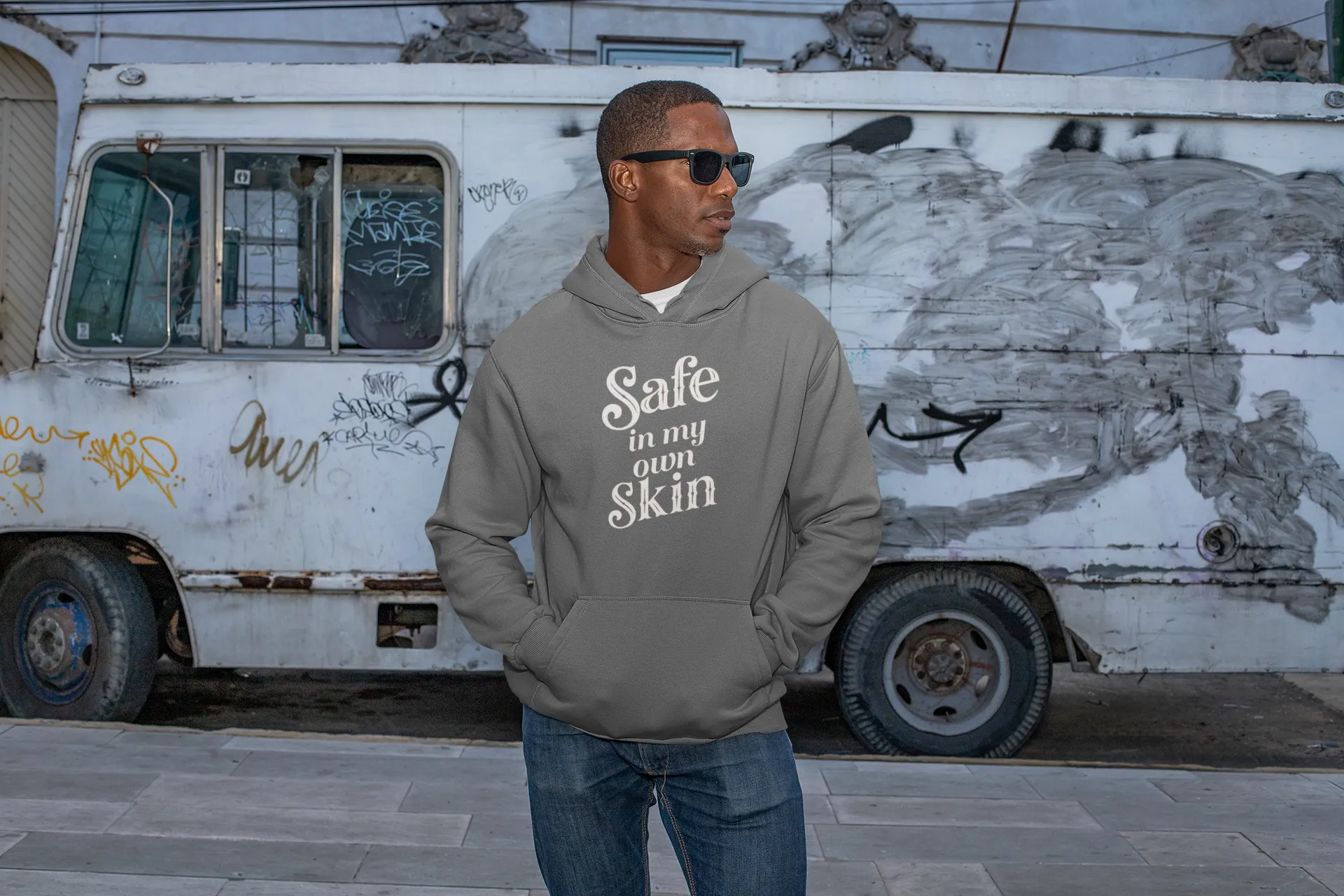
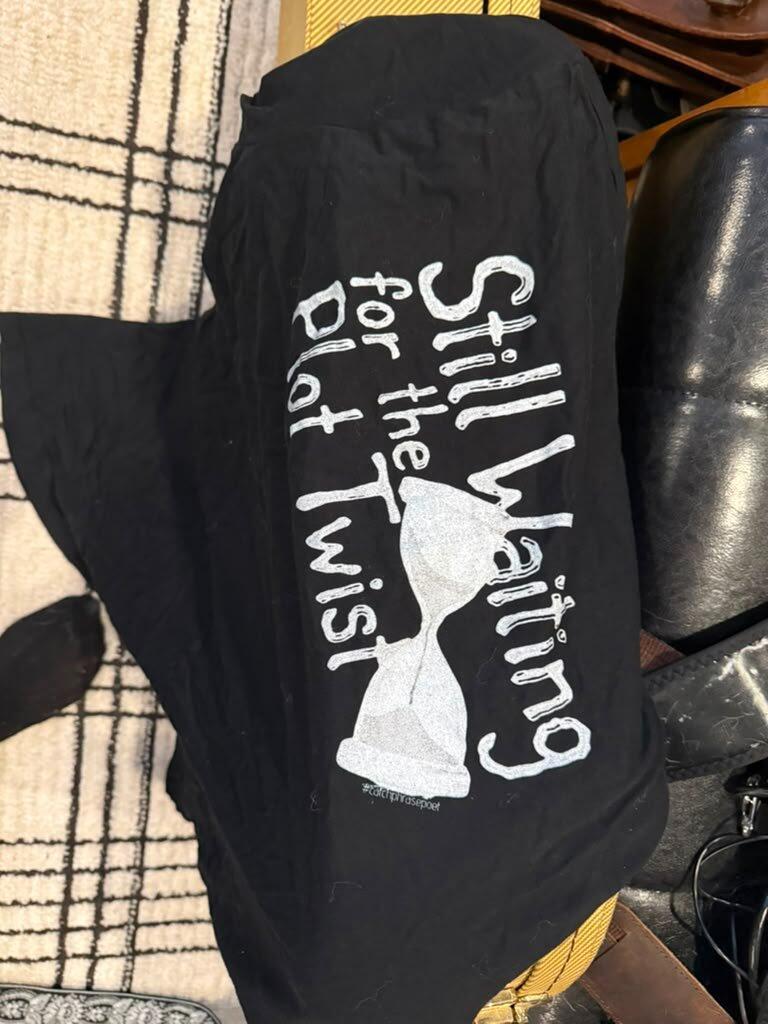
Decoding Urban Wear: Top 2025 Streetwear Trends and Styling Tips for Self-Expression
Urban wear has evolved into a powerful medium for self-expression, reflecting individuality and cultural narratives. This article delves into the latest trends in urban fashion for 2025, offering styling tips that empower personal identity through clothing choices. As urban wear continues to dominate street style, understanding its nuances can help individuals curate outfits that resonate with their unique motivations and affirmations. Many people struggle to find clothing that not only looks good but also conveys their personal message. This guide provides insights into the defining characteristics of urban wear, the trends shaping 2025, and practical styling advice to make bold statements. We will explore the role of statement clothing, the influence of gender-neutral fashion, and where to find sustainable urban wear collections.
What Defines Urban Wear and Its Role in Self-Expression?
Urban wear is characterized by its blend of comfort, functionality, and style, often drawing inspiration from street culture, music, and art. This fashion genre serves as a canvas for individuals to express their identities, beliefs, and motivations through clothing. The significance of urban wear lies in its ability to reflect personal narratives and cultural backgrounds, allowing wearers to communicate their values without uttering a word.
How Does Urban Wear Reflect Individuality and Motivation?
Urban wear embodies individuality by offering diverse styles that cater to various tastes and preferences. For instance, graphic tees featuring motivational affirmations or bold catchphrases can inspire confidence and resilience. This connection between clothing and personal motivation is crucial, as it empowers individuals to showcase their beliefs and aspirations through their fashion choices. By wearing pieces that resonate with their identity, individuals can foster a sense of belonging and self-acceptance.
Which Urban Streetwear Trends Dominate 2025?
As we look ahead to 2026, several key trends are set to shape the urban streetwear landscape. These trends not only influence styling choices but also reflect broader cultural shifts within society.
Oversized Silhouettes: Oversized clothing continues to dominate urban fashion, offering comfort and a relaxed aesthetic. This trend allows for layering and personal expression, making it a staple in streetwear wardrobes.
Sustainable Materials: The push for sustainability is reshaping urban clothing, with brands increasingly using eco-friendly materials. This shift not only addresses environmental concerns but also appeals to conscious consumers seeking stylish yet responsible fashion choices.
Bold Graphics and Statements: Graphic tees and statement pieces remain central to urban wear, allowing individuals to convey messages and showcase their personalities through eye-catching designs.
What Are Oversized Silhouettes and How Do They Influence Style?
Oversized silhouettes are characterized by loose-fitting garments that provide a relaxed and comfortable look. This trend influences style by encouraging layering, allowing individuals to mix and match various pieces for a unique outfit. For example, pairing an oversized hoodie with tapered joggers creates a balanced silhouette that is both stylish and functional. The versatility of oversized clothing makes it a favorite among urban wear enthusiasts, as it can be dressed up or down depending on the occasion.
How Are Sustainable Materials Shaping Urban Clothing?
Sustainable materials are becoming increasingly important in urban fashion, with many brands prioritizing eco-friendly fabrics such as organic cotton, recycled polyester, and hemp. This shift not only reduces the environmental impact of clothing production but also resonates with consumers who value sustainability. Brands that incorporate these materials into their collections are often seen as leaders in the industry, appealing to a growing demographic of environmentally conscious shoppers.
How To Style Urban Wear for a Bold Statement?
Styling urban wear effectively involves understanding how to combine different elements to create a cohesive and impactful look. Here are some tips to help you make a bold statement with your urban outfits.
Layering Techniques: Mastering layering is essential for achieving a stylish urban look. Start with a base layer, such as a fitted t-shirt, and add oversized pieces like jackets or hoodies. This approach not only adds depth to your outfit but also allows for versatility in changing weather conditions.
Incorporating Graphic Tees and Statement Pieces: Graphic tees are a staple in urban wear, serving as a focal point for any outfit. Pair a bold graphic tee with neutral bottoms to let the shirt stand out. Additionally, incorporating statement accessories, such as chunky sneakers or unique hats, can elevate your look and showcase your personal style.
What Are Effective Layering Techniques in Streetwear?
Effective layering in streetwear involves combining various textures and lengths to create visual interest. Start with a fitted base layer, then add a mid-layer, such as a flannel shirt or lightweight jacket, before finishing with an oversized outer layer. This technique not only keeps you warm but also allows for easy adjustments throughout the day. Experimenting with different lengths and fabrics can lead to unique combinations that reflect your personal style.
How To Incorporate Graphic Tees and Statement Pieces?
Incorporating graphic tees into your urban wear can be done in several ways. For a casual look, pair a graphic tee with distressed jeans and sneakers. For a more polished outfit, tuck the tee into high-waisted trousers and add a blazer. Statement pieces, such as bold accessories or unique footwear, can further enhance your outfit, making it stand out in a crowd. The key is to balance the graphic elements with more subdued pieces to create a harmonious look.
Why Is Statement Clothing Central to Urban Fashion?
Statement clothing plays a pivotal role in urban fashion, allowing individuals to express their beliefs and identities through their attire. This type of clothing often features bold graphics, unique designs, and motivational messages that resonate with wearers on a personal level.
How Does Catch Phrase Poet Clothing Empower Self-Expression?
Catch Phrase Poet Clothing is a brand that offers apparel featuring edgy motivational affirmations and witty quotes. By wearing these pieces, individuals can showcase their personality and values, making a statement about who they are and what they believe in. The brand's focus on self-expression through fashion aligns with the core principles of urban wear, empowering individuals to embrace their identities confidently.
What Impact Does Motivational Apparel Have on Urban Dialogue?
Motivational apparel has the power to spark conversations and inspire change within urban communities. By wearing clothing that features positive affirmations or thought-provoking messages, individuals can engage others in discussions about personal growth, resilience, and motivation. This dialogue fosters a sense of community and encourages individuals to share their stories and experiences, further enriching the urban fashion landscape.
How Is Gender-Neutral Styling Influencing Urban Wear?
Gender-neutral styling is gaining traction in urban fashion, promoting inclusivity and self-expression for all individuals, regardless of gender. This trend challenges traditional fashion norms and encourages a more fluid approach to clothing.
What Are Key Tips for Styling Unisex Hoodies and Sweatshirts?
When styling unisex hoodies and sweatshirts, consider opting for oversized fits that provide comfort and versatility. Pair these pieces with tailored trousers or fitted jeans to create a balanced silhouette. Accessorizing with statement jewelry or unique footwear can further enhance the look, allowing for personal expression while embracing the gender-neutral trend.
How Does Gender-Neutral Fashion Promote Individuality?
Gender-neutral fashion promotes individuality by allowing individuals to choose clothing that resonates with their personal style rather than conforming to traditional gender norms. This approach encourages creativity and self-exploration, enabling individuals to express their identities authentically through their fashion choices. By embracing gender-neutral styles, wearers can break free from societal expectations and celebrate their uniqueness.
Where Can You Find Sustainable and Trendy Urban Wear Collections?
Finding sustainable and trendy urban wear collections has become easier as more brands prioritize eco-friendly practices. Here are some tips for discovering the latest styles that align with your values.
Research Sustainable Brands: Look for brands that emphasize sustainability in their production processes and materials. Many companies now provide transparency about their sourcing and manufacturing practices, making it easier for consumers to make informed choices.
Shop Online for the Latest Trends: Online platforms often feature a wide range of urban wear collections, allowing you to explore various styles and brands from the comfort of your home. Look for websites that curate sustainable options to ensure your purchases align with your values.
Which Catch Phrase Poet Products Feature Eco-Friendly Materials?
Catch Phrase Poet Clothing offers some products made from sustainable materials, including organic cotton t-shirts and recycled polyester hoodies. These eco-friendly options help reduce environmental impact while providing stylish choices for conscious consumers. By choosing these products, individuals can express their personal style while supporting sustainable fashion practices.
How To Shop Urban Streetwear Online for the Latest Trends?
When shopping for urban streetwear online, consider the following tips to ensure you find the latest trends:
Follow Fashion Influencers: Keep an eye on fashion influencers who specialize in urban wear for inspiration and recommendations on where to shop.
Utilize Social Media: Platforms like Instagram and Pinterest are great for discovering new brands and styles. Use hashtags related to urban fashion to find trending pieces.
Sign Up for Newsletters: Many brands offer newsletters that provide updates on new collections, sales, and exclusive offers. Signing up can help you stay informed about the latest trends in urban wear.
Women's Affirmation Tees — Level Up · Be The SolutionAffirmation tees are more than printed designs—they're short, wearable prompts that shape how you show up. Phrases like “Level Up” and “Be The Solution” nudge personal growth and community action at a glance. This guide explains what affirmation tees do, why they matter for women at different stages, where to find original artful designs, and how to care for your pieces so both the message and the shirt last. You’ll find the psychology behind affirmation clothing, simple ways to turn a slogan into a daily ritual or community tool, and clear criteria for picking ethically made, inclusive tees. Along the way we tie message, design, and materials to real uses—gifts, work rituals, activism—so you can choose clothing that helps you look good and act with purpose.What Are Women's Positive Affirmation Tees — and Why They MatterAffirmation tees pair bold, clear visuals with short motivational phrases to support mindset shifts and social connection. They do two things at once: provide repeated visual cues that encourage supportive self-talk, and serve as outward signals that invite conversation and align you with others. The result is practical—a private prompt that boosts focus and confidence and a public marker that can open doors or start meaningful exchanges. Understanding how those layers work makes it easy to see why a simple tee can be a compact tool for intention and impact.Affirmation tees help in three dependable ways:
Daily reminder: A visible phrase keeps your goals and intentions in view throughout the day.
Confidence trigger: Wearing a positive line can subtly shift posture, tone, and presence.
Social cue: Messages invite connection and make it easier to find like-minded people.
Those internal and social pathways reinforce each other: the reminder guides behavior, and the signal builds support and accountability. If you want unique designs, many independent makers and specialty brands offer artful affirmation tees that pair meaningful copy with creative graphics—perfect for mindful shoppers who want more than a slogan.How Affirmation Shirts Empower WomenAn affirmation tee links identity to action—the shirt becomes a small ritual and a public declaration of intent. Research on self-affirmation shows that reminders of valued parts of ourselves reduce stress and help sustain motivation, so slipping on a meaningful phrase can quiet doubt before a meeting or presentation. Practically, wearing an affirmation tee to an interview, a workshop, or a workout creates a predictable cue that aligns behavior with purpose. The social reactions you receive—nods, compliments, conversations—reinforce that identity and help the message stick.
Self-Affirmation via Aesthetic Product SelectionsThis study explores how product aesthetics influence self-affirmation, focusing on functional items like art and apparel that people choose in meaningful ways.That sense of empowerment builds over time. Each wear reinforces the habit, so the exact wording on a tee matters—small differences in phrasing can steer different kinds of action.What "Level Up" and "Be The Solution" Communicate"Level Up" is an inward prompt to keep growing. It nudges steady progress and reframes setbacks as steps forward—great for career moves, training milestones, or creative practice. Wear it on days when you want a mental push for focus: presentations, launches, or deep-work sessions."Be The Solution" turns attention outward. It’s a call to act—encouraging responsibility, collaboration, and leadership—ideal for volunteer efforts, community organizing, or situations where constructive action matters. Together, these phrases cover a practical range: one focuses inward on growth, the other on contributing to change.Where to Find Unique, Artistic Women's Motivational TeesLook for curated collections, independent creators, and specialty labels that prioritize original artwork, clear affirmation themes, and transparent material notes. When you browse, pay attention to design originality, fabric quality, ethical sourcing, and sizing range—those factors ensure the tee supports both your message and everyday wear. These guidelines help you move past generic slogans to pieces that feel personal and thoughtfully made.Shopping checklist before you buy:
Artistic originality: Seek hand-drawn or one-off graphics rather than generic stock images.
Material transparency: Check fabric content and sourcing, especially for ethically produced cotton.
Inclusive sizing: Choose brands that offer a range of fits so the message sits confidently on your body.
Quick reference: how sample collections pair message and features.
Collection / Product
Affirmation Message
Key Features
Positive Affirmations Collection
Mixed messages like "Be The Solution"
Original art, inclusive sizing, ethically noted materials
Women's Artistic Tees
Uplifting slogans and hand-drawn graphics
Creative palettes, layered printing, varied fits
Unisex / Kids Options
Family-friendly affirmations
Durable fabrics, children's sizes, versatile styling
This comparison highlights the features that matter when you choose motivational tees and helps you match message to material and fit. If you like curated, art-forward affirmation apparel, independent designers and specialty brands often offer Positive Affirmations collections that blend creative intent with inclusive sizing and clear material notes.
Understanding the Effects of Self-AffirmationThis review summarizes how self-affirmation produces varied outcomes depending on context and individual differences, and it considers products—like art or apparel—that serve a functional role in those processes.What Makes Independent Designers' Affirmation Apparel SpecialIndependent designers treat each tee like wearable art. Their pieces often include hand-rendered details and carefully chosen phrases, so garments feel personal rather than mass-produced. Many of these makers also highlight sizing options and ethical material choices, making their tees thoughtful gifts or dependable everyday favorites.Those qualities translate into value: pieces feel more meaningful, fit more body types, and come with clearer information about longevity and sourcing—so buying one feels intentional and responsible.How Inclusive Sizing and Style Strengthen Affirmation ClothingInclusive sizing and diverse styles make affirmation messages more accessible and resonant. When a tee fits well—not too tight, not too loose—the wearer can embody the message more naturally. Offering women's cuts, unisex options, and kids’ sizes lets families and groups share statements across generations and styles.Fit tips: check size guides, choose comfort for active days, and pick styles that layer easily. Inclusive options expand who can wear the message confidently and increase representation in public spaces.How "Level Up" and "Be The Solution" Shirts Support Personal GrowthWearing a "Level Up" or "Be The Solution" tee turns abstract intentions into frequent visual cues. These messages act as primes—triggering preparation, conversation, or commitment—and those small responses accumulate into habit change. Use the tee for rituals, group events, or public commitments to make progress visible and trackable.Practical ways these shirts support growth:
Rituals: Wear "Level Up" on planning or review days to cue focus and follow-through.
Public commitments: Use "Be The Solution" at volunteer events to identify leaders and encourage action.
Accountability: Coordinate matching tees with peers to create shared commitments and momentum.
These simple prompts show how a short phrase on clothing can translate into daily habits and community-minded behaviors, linking personal improvement with social impact.What "Level Up" Means in Motivational FashionIn fashion, "Level Up" is a concise call to progress—inviting small, steady growth and renewed effort. It reframes bumps in the road as part of the journey and signals readiness for the next step. Wear it before interviews, workouts, or study sessions to prime preparation, or as a celebratory marker after hitting a milestone. Used regularly, it becomes part of rituals—planning, tracking, reflecting—that keep momentum going.Over time, that ritual use turns the phrase into a reliable cue for action.How "Be The Solution" Encourages Civic and Community Action"Be The Solution" points outward: it nudges constructive action instead of complaint. At events it can identify volunteers, moderators, or team leads and help organize groups. Brands and wearers can link the message to causes—donating proceeds or using themed apparel at fundraisers—to reinforce impact. The phrase reframes clothing as a practical tool for civic participation and collective problem solving.Paired with visible commitments and community events, the slogan becomes a catalyst for coordinated action.
Affirmation
Action Prompt
Example Use
Level Up
Daily progress and skill-building
Wear during training or milestone days
Be The Solution
Proactive responsibility and leadership
Volunteer tee at community cleanups
Self-Love
Compassionate self-care habits
Gift to teens or for wellness retreats
This table shows how different messages map to concrete actions—helping you choose an affirmation tee that suits your goals and events.Benefits and Care Tips for Women's Affirmation TeesAffirmation tees give steady mindset support—boosting confidence, strengthening persistence, and signaling values—while doubling as comfortable, wearable art when made from quality materials. To protect both message and fabric, follow simple care steps that preserve print and shape. Choosing ethically sourced cotton or similar materials improves comfort and durability and aligns your purchase with conscious values.How Affirmation Tees Support Daily Confidence and FocusThese tees act as small, wearable interventions that anchor goals and shape moment-to-moment choices. A glance at "Level Up" during routine work nudges you toward progress, and positive responses from others reinforce the identity the tee projects. Making a routine—wearing a message tee on planning days or before important tasks—creates repeated cues that build habit. Over time, micro-behaviors like preparation and follow-through become more automatic, strengthening confidence and clarity.Try this quick practice: put on the tee, state one clear goal out loud, then begin the task—this sequence links the garment to action and speeds up change.
Mechanisms of Self-Affirmation: An Integrative ReviewThis integrative review outlines psychological, social, and neural mechanisms that help explain how self-affirmation works and why context and individual differences shape outcomes.Before the fabric-care table: the chart below compares common fabric types and what to expect for durability and washing needs, so you can pick materials that fit your lifestyle.
Fabric Type
Durability
Care Recommendation
Organic cotton
Moderate–high; softens nicely with wear
Machine wash cold, inside-out; hang or low-heat dry
Cotton blend
Good color retention and fit
Wash cold; tumble dry low; avoid bleach
Polyester blend
High color retention; quick-dry
Wash cold; low-heat drying; avoid high-heat exposure
This comparison helps you balance feel, longevity, and maintenance when choosing affirmation tees so your pieces stay meaningful and durable.Best Practices for Caring for Motivational Graphic TeesProtect both prints and fabric by keeping wash and storage simple and gentle. Turn tees inside-out and wash on a cold cycle with mild detergent; avoid bleach and harsh additives that break down ink and fibers. Air-dry when possible or tumble dry low to preserve print and shape. Fold tees flat for storage to prevent shoulder stretch and keep prints facing inward to reduce surface wear.Care checklist:
Wash inside-out on a cold cycle.
Use mild detergent; avoid bleach.
Air-dry or tumble dry low; avoid high heat.
Fold flat for storage to preserve shape and print.
Following these steps keeps both the look and the message intact. For specific garment notes, check product pages for fabric content and recommended care—look for ethically sourced cotton and clear printing instructions when buying pieces you want to last.Questions about custom designs, ethical sourcing, or anything else? Please reach out. Our team is glad to help.Frequently Asked Questions1. How can I effectively use affirmation tees for personal development?Make affirmation tees part of a simple routine. Wear your "Level Up" tee during planning sessions or before important tasks to reinforce a goal. Pair the shirt with a short action—say your objective aloud, jot it down, then start—that links the garment to intention and increases follow-through.2. What are the psychological benefits of wearing affirmation tees?Wearing affirmation tees can lift self-esteem and quiet doubt. Visible messages act as continual reminders of your goals and values, helping shape a positive mindset. Research shows self-affirmation can reduce stress and boost motivation, making it easier to face challenges.3. How do I choose the right affirmation message for my needs?Reflect on what you want right now. Choose a message that matches your aim—"Level Up" for growth and focus, "Be The Solution" for community action. Think about when you'll wear it and pick a phrase that feels authentic and motivating in those moments.4. Can affirmation tees be used in professional settings?Yes—when styled appropriately. A motivational tee can boost confidence and start conversations at meetings, presentations, or networking events. Pick a tasteful design and message like "Level Up" that fits your workplace culture so you stay professional while expressing personal values.5. How can I promote inclusivity through affirmation tees?Support brands that offer broad size ranges and diverse styles so everyone can wear messages comfortably. Choose designs and language that resonate across communities and encourage shared action. Wearing and sharing inclusive tees helps build belonging and visibility.6. What are some creative ways to gift affirmation tees?Pick a message that fits the recipient’s goals—"Level Up" for someone starting a new role, "Be The Solution" for a community-minded friend—and include a short, handwritten note about why you chose it. Pair the tee with a journal or self-care item for a thoughtful, themed gift.7. How do I maintain the quality of my affirmation tees over time?Wash inside-out on cold with mild detergent, avoid bleach, and air-dry when possible. If you use a dryer, keep it on low. Fold tees to retain shape and protect prints. These habits keep the fabric and message looking fresh for years.1. How can I incorporate positive affirmation tees into my daily routine?Make them part of rituals: wear your "Level Up" tee on planning days or before big tasks, or choose "Be The Solution" for volunteer shifts. Pair the shirt with a short habit—say one goal aloud, write it down, then begin—to connect the message to action and strengthen commitment.2. Are there specific occasions when wearing affirmation tees is particularly beneficial?Yes. Affirmation tees are useful when you need focus or confidence—interviews, presentations, performances—and in community settings like fundraisers or cleanups where a clear message can unite and inspire people. They’re versatile for private prep and public action.3. What should I look for when selecting a positive affirmation tee?Prioritize original design, fabric quality, and inclusive sizing. Choose graphics and phrases that speak to you, pick comfortable, well-made fabrics, and confirm a size range that supports a confident fit. Transparency about materials and sourcing is a plus for responsible buying.4. How do positive affirmation tees contribute to community building?They start conversations and serve as shared symbols of values. Wearing the same message at an event or in a group fosters belonging and prompts collaboration. In short, they help you find people who care about the same things and make organizing easier.5. Can affirmation tees be used as gifts, and if so, how?Absolutely. Choose a message that fits the recipient—"Level Up" for someone stepping into a new challenge, "Be The Solution" for a civic-minded friend—and add a note explaining why you picked it. That personal touch turns a tee into a meaningful, motivating gift.6. How do I ensure the longevity of my affirmation tees?Wash inside-out on cold with mild detergent, avoid bleach, and air-dry when you can. Use low heat if tumble drying. Fold tees for storage to keep shape and protect prints. These simple habits preserve both fabric and message for years.7. What role do colors and designs play in the effectiveness of affirmation tees?Color and design shape mood and clarity: bright palettes energize, muted tones feel calm. Pick visuals that match the emotion you want the message to evoke and that suit your style—when the design resonates, you’ll wear and embody the message more often.ConclusionAffirmation tees are small daily tools that lift confidence, encourage action, and build community through shared messages. Choose thoughtfully designed, ethically made options in inclusive sizes and your wardrobe becomes an extension of your goals and values. Browse our curated motivational collection and wear a message that moves you—from intention into action.ConclusionAffirmation tees are simple, powerful reminders that boost confidence, spark action, and open up conversations. When you pick ethically made, artful designs in inclusive sizes, your clothes start doing more than covering—you send a message. Explore our unique collection and wear something that helps you show up with purpose.
Sustainable Print-on-Demand Fashion: How Eco-Friendly Streetwear Brands Create Unique Artistic ApparelSustainable print-on-demand fashion combines made-to-order production with mindful material choices to deliver artistic streetwear while cutting waste and overproduction. This article explains what sustainable POD means, how it reduces landfill-bound unsold inventory, and why eco-conscious shoppers increasingly choose sustainable graphic tees, eco-friendly hoodies, and affirmation apparel for everyday wear. Readers will learn the mechanics of POD versus traditional fashion, which eco-friendly materials perform best for comfort and durability, and how inks, dyes, and partner selection influence real-world sustainability outcomes. The guide also covers ethical quality controls, the cultural appeal of affirmation-based designs for men, women, and children, and practical shopper checklists for identifying authentic sustainable streetwear brands. Practical examples and three comparison tables illustrate material tradeoffs, POD process elements, and certification signals so you can evaluate brands and purchases with confidence. Throughout, keywords like sustainable fashion, ethical clothing, and print-on-demand sustainability are woven into actionable explanations to help you make smarter, greener apparel choices.What Is Sustainable Print-on-Demand Fashion and Why Does It Matter?Sustainable print-on-demand fashion is a production model where garments are printed or finished only after a customer orders, which reduces unsold inventory and the environmental cost of mass production. This mechanism—made-to-order manufacturing—lowers SKU proliferation and prevents the frequent markdown-and-dump cycle that sends perfectly wearable clothing to landfills. The value for consumers is clear: more personalized, artistic apparel choices with fewer wasteful byproducts and smaller upfront capital needs for brands, which often allows selective sourcing of better materials. Print-on-demand reduces speculative runs, and as a result, firms can prioritize non-toxic inks and responsibly sourced fabrics without the pressure to hit large minimum volumes. Understanding this framework sets up the direct comparison with traditional fashion manufacturing and introduces how ink, fabric, and fulfillment decisions change the footprint of streetwear.How Does Print-on-Demand Reduce Waste Compared to Traditional Fashion?Print-on-demand reduces waste by eliminating bulk production and matching supply directly to demand, which prevents surplus inventory that often ends up in landfills. In conventional fast-fashion workflows, large runs are produced based on forecasts and trends; unsold units frequently result in heavy discounting, destruction, or disposal. POD removes that middle step by initiating production only after purchase, which leads to lower storage needs and fewer returns driven by mass-market sizing mismatches. Recent studies and market analysis through the mid-2020s show lowered inventory turnover-related emissions when made-to-order models replace speculative manufacturing. This reduction in excess inventory not only shrinks material waste but also creates an economic incentive for brands to invest in better materials and printing processes that would be cost-prohibitive for large-scale, throwaway collections. For more insights into the broader impact of textile waste, refer to environmental statistics from the EPA.This made-to-order approach is a cornerstone of slow fashion strategies, as highlighted by recent research.
Make-to-Order Business Model for Slow Fashion StrategyThe main objective of this study was to create an effective strategy for an online make-to-order business that practices slow fashion and targets mainly women as customers.Make-to-order business model: slow fashion as a strategy, 2021What Defines Eco-Friendly Streetwear in Today’s Market?Eco-friendly streetwear is defined by a combination of sustainable materials, low-impact printing methods, production transparency, and lifecycle thinking that prioritizes durability and repairability. Materials like organic cotton and recycled polyester reduce reliance on virgin petrochemicals and avoid intensive agrochemical use, while water-based inks lower toxic runoff and VOC emissions during printing. Transparency about supplier relationships and clear sizing guidance further separates genuinely sustainable brands from greenwashed labels. Consumers now look for garments designed for longer wear—artist-driven graphics and affirmations that encourage meaningful use—rather than disposable, trend-chasing pieces. These criteria form a holistic view of sustainability that encompasses sourcing, manufacturing, and post-purchase stewardship.Which Eco-Friendly Materials Are Used in Sustainable Streetwear?Sustainable streetwear relies on several primary material classes—organic cotton, recycled polyester, hemp, and Tencel (lyocell)—each offering distinct environmental and performance characteristics. Brands select fabrics based on factors like source, feel, durability, and washcare to balance sustainability with consumer expectations for comfort and longevity.The growing appeal of these materials is further underscored by their excellent lifecycle and environmental benefits, as recent studies confirm.
Natural Fiber Sustainable Materials for Eco-Friendly StreetwearNatural fiber-based sustainable materials have become more and more popular due to their excellent life cycle, affordability, biodegradability, high mechanical properties, and environmental friendliness. These materials are widely used in many engineering applications, and the field is expanding as a result of ongoing research.Eco-Friendly Materials Revolutionizing Streetwear and Smart Clothing, 2024Different fibers offer tradeoffs across feel, environmental impact, and care instructions.
Material
Source / Attribute
Value for Consumers
Organic cotton
Grown without synthetic pesticides; often uses regenerative practices
Soft, breathable, suitable for tees and casual wear; lower chemical footprint
Recycled polyester
Made from post-consumer plastic bottles or textile waste
Durable, moisture-managing; reduces virgin petroleum use and landfill plastic
Hemp
Fast-growing fiber with low water and pesticide needs
Rugged, long-lasting; softens with wear—good for outerwear and durable cuts
Tencel (Lyocell)
Wood-pulp fiber produced in closed-loop solvents
Silky hand, breathable, biodegradable under right conditions; versatile for blends
This comparison highlights that no single fiber is perfect; combining material choices with low-impact inks and good design yields the best sustainability outcomes. Understanding these tradeoffs helps shoppers select pieces that match intended wear and care patterns.What Are the Benefits of Organic Cotton and Recycled Fabrics?Organic cotton and recycled fabrics each deliver clear environmental and consumer benefits while presenting tradeoffs related to cost and care. Organic cotton reduces exposure to agrochemicals and often supports healthier soil systems through regenerative practices, translating to comfortable, breathable shirts and sweatshirts that are gentle on skin. Recycled polyester repurposes existing plastics, lowering virgin feedstock use and preventing bottles from entering landfills, and it performs well in durable garments like hoodies and bomber jackets. Tradeoffs include potentially higher retail prices due to smaller production runs and the complexity of recycling blended fibers at end-of-life. For everyday graphic tees, organic cotton often wins on comfort, whereas recycled polyester excels in sweatshirts and performance outerwear for its strength and moisture resistance.
Reduced Chemical Exposure: Organic cotton avoids synthetic pesticides that harm ecosystems and workers.
Resource Efficiency: Recycled polyester lowers demand for new petroleum-based fibers and diverts plastic waste.
Use-Case Guidance: Choose organic cotton for soft tees and recycled blends for durable hoodies and outerwear.
These benefits suggest practical garment recommendations: pick organic cotton for breathability and daily tees, and choose recycled blends for longevity and performance, balancing sustainability with functional needs.How Do Water-Based Inks and Sustainable Dyes Enhance Apparel Sustainability?Water-based inks and low-impact dyes reduce the toxic burden of textile printing by minimizing volatile organic compounds and hazardous effluent from production facilities. Water-based inks sit on the fiber rather than saturating synthetic binders, which often improves print feel and can enhance biodegradability compared to plastisol prints. Sustainable dyeing methods reduce water and energy use through improved fixation rates or closed-loop systems, cutting downstream pollution and wastewater treatment needs. Consumers should follow care guidance—such as cold water washes and air drying—to preserve print vibrancy while conserving resources. Understanding ink and dye technologies helps buyers select prints that match their environmental priorities while ensuring the graphic longevity that supports longer garment life.The environmental advantages of switching to water-based inks are significant, with studies demonstrating substantial reductions in VOC emissions and energy consumption.
VOC Emission Reduction & Energy Efficiency with Water-Based InksThe results indicate that after the implementation of the three suggested economically reasonable IPPC alternatives (replacement of solvent-based with water-based inks; modernisation of the ventilation and lighting system), the VOC emissions decreased to 8.4 kg/t (92.5%) and the total energy consumption for the production of 1 t of flexible packaging decreased to 605.6 kWh/t (21.5%).VOC emission reduction and energy efficiency in the flexible packaging printing processes: analysis and implementation, 2018How Do Ethical Print-On-Demand Clothing Brands Ensure Quality and Sustainability?Ethical POD brands ensure quality and sustainability through deliberate partner selection, material vetting, and production quality controls that prioritize both product performance and environmental impact. Brands evaluate printing partners for responsible handling of inks and wastewater, insist on tested fabric performance, and run pre-production print tests to maintain color fidelity and wash durability. Made-to-order processes act as both a sustainability lever and quality control step by enabling smaller, testable runs and direct feedback loops from customers to designers. These practices create traceable workflows and can justify higher material investments because inventory risk is minimized.Before the table, note that brands balance speed, sustainability, and cost when choosing printing partners, and those tradeoffs determine the final garment footprint.
Process Element
Attribute
Value
Made-to-order workflow
Production model
Eliminates bulk inventory; lowers overproduction risk
Ink & dye choice
Material input
Water-based inks and low-impact dyes reduce pollution
Printing partner standards
Operational control
Partner audits and quality testing improve durability and compliance
What Are the Unique Artistic and Affirmation-Based Design Elements?Artistic and affirmation-based designs often combine hand-drawn illustration, expressive typography, and meaningful messages that elevate emotional value and extend garment life. These designs favor clarity, longevity, and personal resonance over fleeting trendiness, encouraging wearers to keep and reuse pieces rather than cycle them out quickly. Artist-driven graphics create distinct identity markers that support self-expression and social connection, which can translate to more frequent wear and stronger attachment. Brands that emphasize affirmations balance legibility and subtlety so messages work across age groups and contexts; this design longevity supports sustainability by reducing disposable consumption and promoting mindful wardrobe curation.How Does Made-to-Order Production Support Ethical and Eco-Friendly Practices?Made-to-order production supports ethical and eco-friendly practices by aligning manufacturing volumes with actual demand, enabling brands to source higher-quality materials without incurring large minimums that can drive wasteful output. This alignment reduces surplus, which in turn decreases pressure for deep discounting and product destruction, while allowing brands to partner with printers who prioritize low-impact inks and controlled waste handling. For consumers, accurate sizing guides and clear product descriptions reduce returns, which further cuts transportation emissions and processing waste.
Check sizing charts and measure against a trusted item before ordering.
Prefer unisex cuts for flexible fit and lower return likelihood.
Consider fabric blends and care requirements to match lifestyle and prolong wear.
These steps help shoppers reduce returns and participate in the sustainability advantages that made-to-order models provide.In practice, brands that use made-to-order workflows can focus on quality assurance and customer education to ensure both ethical labor visibility and reduced environmental impact. Catch Phrase Poet exemplifies aspects of this approach by operating a made-to-order model, offering artist-driven apparel—including graphic tees, hoodies, sweatshirts, and bomber jackets—and using soft, breathable fabrics such as ring-spun cotton and cotton blends. This made-to-order strategy enables Catch Phrase Poet to emphasize high-quality printing and meaningful designs that promote longer garment use, and the brand’s inclusive sizing helps reduce returns by accommodating a broader range of customers. These operational choices illustrate how made-to-order production can be paired with design and material decisions to help realize sustainability goals and improved product longevity.Why Are Sustainable Graphic Tees and Streetwear Popular Among Men, Women, and Children?Sustainable graphic tees and streetwear resonate because they combine self-expression, ethical values, and practical comfort into everyday clothing that works across ages and genders. Affirmation apparel—positive phrases or meaningful art—serves as wearable messaging that supports wellbeing and invites connection, which appeals broadly from adults to children seeking identity cues. Inclusive sizing and unisex cuts make it easier for families and groups to find matching pieces, increasing the gifting and shared-wear appeal of sustainable items. Additionally, consumers increasingly prioritize brands that reflect their values; sustainable streetwear signals environmental awareness while offering the warmth, softness, and durability expected from quality tees and hoodies. These cultural drivers sustain demand and encourage brands to invest in better materials and manufacturing transparency.How Does Affirmation Apparel Promote Self-Expression and Well-Being?Affirmation apparel promotes self-expression and well-being by turning internal messages into visible reminders that can reinforce positive self-talk and invite supportive social interactions. Positive phrases printed on tees and sweatshirts serve as cues that shape daily mindset and can spark conversations that increase social support and belonging. For children and teens, affirmations on clothing can model constructive language and boost confidence, while adults often adopt subtle typographic designs to communicate values with nuance. Evidence from behavioral studies indicates that repeated positive cues influence mood and behavior, and wearable affirmations integrate those cues into routine life. Designing affirmations with readability and tasteful aesthetics ensures they remain relevant rather than appearing preachy, encouraging sustained wear and longer garment life.What Inclusive Sizing and Styles Are Available in Eco-Friendly Streetwear?Eco-friendly streetwear brands commonly offer unisex cuts, extended size ranges, and children’s sizes to ensure accessibility for men, women, and families. Unisex silhouettes simplify inventory while providing versatile fits that many customers prefer; offering extended ranges reduces exclusion and supports more circular purchasing by minimizing ill-fitting returns. For children’s offerings, materials focus on durability and easy care for repeated wear and washing. Product pages that include fit notes and real-measurement charts help customers choose the right size and reduce the rate of returns, supporting the sustainability advantages of made-to-order production. Clear guidance on fabric shrinkage, intended fit (relaxed vs. fitted), and layering recommendations builds trust and reduces sizing-related waste.Catch Phrase Poet’s product assortment—artist-driven graphic tees, hoodies, sweatshirts, and bomber jackets—illustrates a family-friendly range with inclusive sizing and soft, breathable fabrics like ring-spun cotton and cotton blends that appeal across genders and ages. By combining thoughtful fits with meaningful designs, such offerings increase the perceived lifetime value of garments and encourage continued use rather than quick disposal.How Can Consumers Identify and Support Authentic Eco-Friendly Streetwear Brands?Consumers can identify authentic eco-friendly streetwear brands by checking for meaningful transparency around materials, production methods, and supply chain practices, and by looking for recognized certifications where appropriate. Key signals include clear fabric composition, details on inks and dye processes, information about partner printers, and sizing guidance that reduces returns. Asking brands about takeback or repair programs and verifying any certification claims through certifier registries helps avoid greenwashing.Below is a concise checklist table summarizing certifications, what they mean, and how to verify claims so shoppers can make informed choices.
Certification or Signal
What It Means
How to Verify
GOTS (Global Organic Textile Standard)
Organic fiber and social criteria
Check certifier registry or ask for certificate number
Oeko-Tex
Low levels of harmful substances in textiles
Look for Oeko-Tex standard and class information
Fair Trade / Ethical Labor signals
Better labor conditions and pay practices
Request supplier info or audit summaries; seek transparency pages
What Certifications and Transparency Should Shoppers Look For?Shoppers should prioritize verifiable certifications like GOTS and Oeko-Tex when relevant, but also evaluate brands on narrative transparency about materials, inks, and partner practices. Certifications indicate third-party assessment of specific attributes—GOTS for organic fiber and traceability, Oeko-Tex for restricted substances—while transparency pages, production photos, and supplier descriptions provide context around labor and environmental practices. To verify, consumers can request certificate numbers, check certifier registries, and review any audit summaries the brand shares. For many small or artist-driven POD brands, complete certification across all partners may not be present; in those cases, detailed fabric and printing disclosures plus a made-to-order model that reduces waste are still positive indicators of responsible practice.How Does Catch Phrase Poet Demonstrate Commitment to Sustainable Fashion?Catch Phrase Poet demonstrates commitment through its made-to-order model, artist-driven apparel offerings, and use of soft, breathable fabrics such as ring-spun cotton and cotton blends that prioritize comfort and wearability. Operating on a made-to-order basis reduces overproduction risk and supports higher material choices without maintaining large inventories, which aligns with sustainability goals. The brand focuses on meaningful designs—affirmation and artist-driven graphics—that encourage longer garment use, and it provides inclusive sizing to broaden accessibility and reduce unnecessary returns. While specific certification claims are not listed, these operational choices—made-to-order production, emphasis on fabric quality, and design-for-longevity—are tangible steps shoppers can evaluate when considering purchases.What Are the Environmental and Social Benefits of Choosing Sustainable Print-on-Demand Apparel?Choosing sustainable print-on-demand apparel yields environmental benefits like reduced overproduction, lower inventory-related waste, and decreased need for markdown-driven disposal. Social benefits can include improved traceability and the ability for brands to form closer partnerships with printers and suppliers that uphold better labor practices, since smaller, traceable runs are easier to audit than mass production pipelines. When consumers prioritize durable materials and meaningful designs, they support a circular approach that extends garment life and encourages second-hand resale, repair, and reuse. These choices collectively contribute to a more circular economy by keeping materials in use longer and reducing the throughput of new virgin resources.How Does POD Fashion Contribute to Circular Economy and Reduced Overproduction?POD fashion contributes to a circular economy by producing garments on demand, conserving resources that would otherwise support forecast-driven production, and enabling brands to experiment with recyclable or compostable materials at lower financial risk. Reduced overproduction directly lowers the number of garments entering landfill streams and decreases the environmental cost of storage and discount logistics. Further circularity is enabled when brands support resale channels, repair instructions, or takeback programs that keep garments in use. Consumers extend circular benefits by choosing durable fabrics, following care instructions that prolong garment life, and participating in resale or donation networks rather than discarding apparel prematurely.What Role Does Ethical Labor and Fair Trade Play in Sustainable Streetwear?Ethical labor and fair trade are essential to ensuring that sustainability is not only environmental but also social, guaranteeing that workers who produce fabrics and finish garments receive fair wages and safe conditions. Credible labor claims are supported by audit reports, supplier transparency, and third-party certifications where available; small-batch or POD production does not inherently guarantee ethical labor without these checks. Consumers can support ethical labor by asking brands about supplier relationships, requesting audit summaries, and favoring those willing to disclose working conditions. Ultimately, aligning environmental sustainability with social responsibility yields more holistic, trustworthy streetwear that benefits communities and reduces the hidden human costs of fast fashion.
Ask about supplier transparency and audits to assess labor practices.
Favor brands that disclose production partners or share audit summaries.
Support garments designed for longevity to reduce demand pressures that can drive poor labor conditions.
These actions help consumers prioritize brands that value both environmental stewardship and social responsibility, reinforcing a market shift away from exploitative production models.
From Vintage to Modern: Exploring the Evolution of Graphic T-Shirt Design and TrendsGraphic t-shirts are a form of wearable communication that combine apparel, graphic design, and cultural context to convey messages, identities, and aesthetics across eras. This article traces the t-shirt design evolution from early printed promotional shirts and band merchandising through vintage screen-printed textures to contemporary digital art and print-on-demand customization, giving readers the context they need to choose and style tees with confidence. Understanding this timeline helps collectors, style-minded shoppers, and creators recognize authentic vintage markers, evaluate modern production methods, and select garments that match values like sustainability and artistic originality.The guide maps key historical moments, decade-specific visual languages, major modern trends, sociocultural roles, printing technique differences, and practical styling and buying checklists. Throughout, target keywords such as graphic t-shirt history, vintage graphic tees, t-shirt design evolution, and print-on-demand t-shirts are woven into explanations to aid discovery and decision-making.What is the history and origin of graphic t-shirt design?Graphic t-shirt history began as a practical medium for promotion and novelty, evolving into a platform for band merch, political messaging, and mass fashion through advances in printing and distribution. Early uses were advertising and novelty prints where simple screen-printing techniques created bold, single-color graphics that advertised brands, events, or slogans; these functional origins gave rise to expressive uses like protest and fandom apparel. As printing became cheaper and band merchandising scaled, shirts morphed into identity markers that fans and movements used to signal affiliation, turning tees into cultural artifacts as much as clothing. The result is a lineage where technique, message, and material combine—so collectors and designers can read a shirt’s era from its ink, typography, and fabric choices. As cultural historians often note, this evolution reflects broader societal shifts.Catch Phrase Poet draws on these historical influences in its artist-driven approach, acknowledging that many contemporary designs reinterpret vintage signifiers—hand-lettering, distressed textures, and iconic iconography—while offering modern production options. The brand sells tee shirts, hoodies, and sweatshirts in unisex fits and emphasizes original, inspired artwork that channels retro aesthetics without compromising current print quality. This connection between past and present helps explain why vintage references remain powerful in modern collections that aim to feel authentic and meaningful.How did early graphic tees influence fashion and culture?Early graphic tees influenced fashion and culture by democratizing visible messaging: shirts moved ideas from posters and flyers onto everyday bodies, making statements portable and immediate. Band tees and protest shirts turned clothing into badges of identity, letting wearers display affiliations, tastes, and beliefs in a single glance; this mechanism tied music, activism, and fashion closely together. As a result, what began as promotional apparel became a primary medium for youth subcultures, with garments signaling belonging to scenes from rock fans to political movements. These social dynamics set the stage for later trends in which the tee functions as both personal expression and collective signaling, a concept that continues to shape how designers and brands approach graphic content.What were the key design elements in vintage t-shirt styles?Vintage graphic tees typically show a limited-color palette, bold typography, and tactile ink textures created by screen printing constraints and fabric aging, resulting in a worn, lived-in look. Common design elements include hand-lettered script, slab or block type, halftone shading, simple mascots or logos, and intentional distressing that reads as authenticity; these meronyms—typography, illustration, ink/pigment, fabric—form the visual vocabulary of vintage tees. The limited ink separations forced designers to prioritize contrast and silhouette, producing logos and motifs that remain readable from a distance and age gracefully, a principle still taught by design professionals. Contemporary designers mimic these attributes to evoke nostalgia, but discerning buyers check ink layering, registration marks, and fabric weight to tell reproductions from true vintage pieces, a practice often informed by insights from fashion museum archives.How did vintage eras shape graphic t-shirt art styles?Vintage eras each contributed distinct graphic languages to t-shirt art, with the 1970s favoring psychedelic swirls and festival iconography, the 1980s embracing neon colors and bold logos tied to pop culture, and the 1990s pushing grunge textures and streetwear minimalism. These era-specific aesthetics emerged from broader cultural forces—music scenes, technology, and retail systems—that shaped how graphics were conceived and reproduced. By mapping era attributes, designers and collectors can identify visual cues like color saturation, type treatments, and iconography to place a shirt in context and appreciate how technical limitations became defining stylistic devices. The following table summarizes era-by-era design attributes for quick reference and comparison.
Era
Design Attributes
Example Visual Elements
1970s
Psychedelic color palettes, flowing compositions
Swirls, gradients, peace symbols, festival posters
1980s
Bold, logo-driven graphics, neon palettes
Blocky logos, neon halftones, MTV-style layouts
1990s
Distressed textures, grunge and streetwear cues
Faded prints, muted palettes, band silhouettes
The table highlights how each era’s constraints and cultural drivers generated recognizable visual elements, enabling modern creators to borrow selectively while preserving authenticity.What defined 1970s psychedelic and counterculture graphic tees?The 1970s produced psychedelic tees that used swirling motifs, high-contrast color combinations, and hand-drawn lettering tied to music festival culture and political activism. Mechanically, limited separations in screen printing and the desire for eye-catching stage imagery encouraged radial compositions and kaleidoscopic forms, while festival posters and underground presses informed shirt layouts. Culturally, the tee reinforced countercultural identity at concerts and gatherings, turning garments into souvenirs and statements simultaneously. Understanding this blend of technique and purpose helps contemporary artists recreate psychedelic aesthetics with intentional color choices and organic line work.How did 1980s pop culture and music impact t-shirt designs?The 1980s amplified logo-centric graphics and bright color schemes as mass retail and music television popularized branded imagery and celebrity-driven merch. Advances in retail distribution and licensing allowed bands and movies to reach broader audiences, making tees an accessible form of fandom and advertising simultaneously. Visually, designers leaned into geometric shapes, heavy outlines, and high-contrast palettes that read well under mass production, which reinforced bold brand identities. These developments shifted t-shirts from grassroots statements to mainstream fashion elements, a change that underpins many retro revival trends today.What are the major trends in modern graphic tee design?Modern graphic tee design centers on three major trends: digital art and print-on-demand customization, sustainability and ethical materials, and nostalgia-driven revivals that reinterpret retro motifs for contemporary audiences. Digital art and DTG workflows enable photo-real prints and complex color gradients, offering designers greater creative freedom and consumers more personalization. Sustainability trends prioritize organic and recycled fabrics as well as production models that reduce overstock, while nostalgia keeps vintage typography and distressed aesthetics in circulation. Together these trends shape how designers choose materials, production methods, and distribution strategies to meet consumer expectations.Digital art, sustainability, and nostalgia have practical implications for buyers and creators alike.
Digital art and print-on-demand: Faster custom runs and unlimited color depth transform design possibilities.
Sustainability and materials: Organic cotton and recycled fibers reduce environmental impact and appeal to eco-conscious buyers.
Nostalgia and reissues: Retro typography and distressed finishes satisfy emotional connections to past decades.
How do digital art and print-on-demand innovate t-shirt design?Digital art combined with print-on-demand and direct-to-garment production allows artists to print complex, multi-color images on single garments without large minimum orders, changing both economics and aesthetics. The mechanism is simple: designers upload high-resolution artwork, and DTG printers apply water-based inks directly to fabric, enabling photo-real imagery and fine gradients that were impractical in traditional screen printing. The result benefits small-batch creators and buyers seeking unique pieces, reducing inventory risk and encouraging artistic experimentation. For brands focused on originality, this workflow supports nearly unlimited designs printed per order and helps match production to demand.Indeed, the broader shift to digital textile printing offers significant advantages in terms of environmental impact, speed, and design freedom.
Digital Textile Printing: Innovation, Flexibility & SustainabilityDigital textile printing has transformed the industry by providing an environmentally friendly alternative to traditional dyeing and printing methods, which were labor-intensive, used hazardous chemicals, and caused water pollution. Digital printing eliminates harmful chemical discharge, reduces waste, and offers faster processing with more design flexibility. Different types of textile printers are available, each with unique features, including printing methods like thermal, piezoelectric, and drop-on-demand. Specialized inks are used depending on the fabric's composition, supporting diverse applications. This technology supports sustainable practices and creates opportunities for designers and markets. While digital printing faces some limitations, it is valued for being faster, more economical, and eco-friendly. It is projected to make up a significant portion of the textile printing market, contributing to sustainable development and innovation in the industry.Digital Printing and Applications in the Textiles, JS Hada, 2025Catch Phrase Poet exemplifies this shift by blending artist-driven designs with print-on-demand fulfillment, offering unisex tees, hoodies, and sweatshirts produced per order as part of a "Made Just for You (printed per order)" approach. This model aligns with the broader digital-art trend and supports Unique and Inspired Designs while keeping product types focused on wearable, gift-ready offerings.What role does sustainability play in contemporary graphic tees?Sustainability influences material choices, printing methods, and logistical decisions, with buyers and brands prioritizing organic fibers, recycled blends, and production models that minimize waste. Print-on-demand reduces overproduction—a primary environmental cost—by printing per order, while newer inks and water-saving pretreatments decrease chemical footprints; these mechanisms are vital for brands aiming to be eco-conscious. Consumers should look for transparent sourcing, certifications, and fabric content as indicators of sustainable practice, and prioritize care instructions that extend garment life. As demand for responsible apparel grows, sustainability becomes both a design constraint and a market differentiator.How do graphic t-shirts express self-identity and cultural messages?Graphic t-shirts operate as wearable statements that combine visual design and text to communicate beliefs, affiliations, humor, and identity; they translate cultural signals into everyday fashion. As an entity, the graphic tee links imagery and language—designer → communicates → identity—so that choices in typography, iconography, and placement influence message clarity and audience perception. This expressive function allows tees to act as affirmation tools, community markers, and artistic canvases, serving both utility and symbolism in social contexts. For creators and consumers, recognizing the semiotic power of graphics helps in selecting designs that align with personal values and intended impressions.To illustrate how tees function as cultural tools, consider these common expressive uses:
Identity signaling through band or fandom graphics.
Political and social messaging via slogans and protest imagery.
Personal affirmation using typographic statements and uplifting art.
In what ways do graphic tees serve as wearable art and affirmation?Graphic tees act as wearable art when designers prioritize composition, symbolism, and craft, creating pieces that function like small-format posters on fabric; affirmation tees combine positive messaging with clear graphic cues to reinforce mood and identity. Mechanically, placement, scale, and type treatment optimize legibility and emotional impact, allowing short phrases or icons to function as psychological cues for both wearer and viewer. The benefit is twofold: wearers receive an internal affirmation while participating in a visible, social form of expression. Designers who craft affirmation tees pay special attention to typography and contrast so messages remain instantly readable in daily life.How have streetwear and urban styles influenced graphic tee culture?Streetwear and urban aesthetics brought limited drops, artist collaborations, oversized silhouettes, and logo-driven exclusivity into mainstream tee culture, altering both design and consumption patterns. The relationship is straightforward: street origins → popular techniques → mainstream adoption; limited releases and artist collabs create scarcity and cultural capital that elevate simple graphics into sought-after items. As streetwear experts often highlight, oversized fits and bold, central graphics reflect urban preferences for statement pieces, while collaborations between designers and musicians bridge creative communities. These shifts encourage brands to think like cultural curators as much as apparel producers, blending storytelling with product releases, a dynamic frequently covered by fashion authorities and streetwear insiders.What printing techniques have evolved in graphic t-shirt production?Printing techniques evolved from early screen printing—valued for durability and bold color—to direct-to-garment (DTG) and heat-based methods that enable complex imagery and shorter runs. Each method changes the aesthetic outcome: screen printing excels at saturated solids and layered inks, while DTG produces photographic detail with soft hand feel, and heat transfer suits small runs and specialty substrates. Buyers and creators choose methods based on color fidelity, durability, cost per unit, and desired finish; understanding these attributes helps in making informed purchasing and production decisions. Below is a concise comparison to guide selections.
Printing Method
Key Characteristic
Durability / Cost / Best Use
Screen Printing
Layered ink deposition, bold solids
High durability, lower cost for large runs; best for limited-color graphics
Direct-to-Garment (DTG)
Photo-real printing, unlimited colors
Good color fidelity for small runs; moderate durability with proper pretreatment
Heat Transfer
Versatile application, specialty finishes
Low setup cost for small batches; variable durability depending on transfer type
This comparison helps determine whether a design should prioritize vintage-style solidity (screen), complex color grading (DTG), or specialty effects (transfer), aligning production to artistic intent and budget.How did screen printing shape vintage graphic tee aesthetics?Screen printing shaped vintage aesthetics through technical constraints—color separations, registration limits, and ink opacity—that produced bold silhouettes, limited palettes, and textured prints that aged gracefully. The mechanism is clear: screen printing deposits ink in layers, which creates a slight relief and a tactile quality that becomes more pronounced with use and laundering. These material and mechanical traits became stylistic hallmarks, with designers using halftones and simplified shapes to work within the medium’s limits. Collectors often read these features as authenticity markers: crisp halftones, slight misregistration, and ink hand feel signal traditional screen-print origins.What are the benefits of direct-to-garment and modern printing methods?Direct-to-garment offers high detail, unlimited color ranges, and economical small-batch production, letting designers print complex illustrations and photographic art without costly screens. DTG’s mechanism—inkjet-style deposition of water-based inks onto pretreated fabric—enables gradients and fine detail that were previously impractical on cotton, providing immediate creative flexibility. Tradeoffs include potential variability in washfastness and higher per-unit cost for large runs, which makes DTG ideal for customization and limited series rather than mass inventory. Brands emphasizing High-Quality POD Products use DTG alongside quality controls to balance detail, hand feel, and longevity.How can you style and choose graphic t-shirts from vintage to modern?Choosing and styling graphic tees depends on desired effect—authentic vintage patina or crisp modern art—and involves checking material, print method, and fit to match personal style. A practical buyer checklist focuses attention on fabric content, print technique, fit, and care instructions so shoppers can predict longevity and look. Stylistically, mixing eras works when silhouette, color palette, and layering are balanced, while preservation tips help vintage pieces retain their character. The table below offers quick outfit examples and wardrobe tips to translate these decisions into everyday looks.
Style
Wardrobe Tip
Example Outfit
Vintage Tee
Balance volume and color; layer sparingly
High-waisted jeans, oversized jacket, retro sneakers
Modern Graphic Tee
Keep silhouette clean; pair with tailored pieces
Slim jeans, blazer, minimalist sneakers
Streetwear Tee
Emphasize proportion and statement pieces
Oversized tee, cargo pants, chunky sneakers
What are tips for integrating vintage graphic tees into modern wardrobes?Integrating vintage tees involves balancing silhouette, contrast, and condition: pair a soft, worn tee with structured bottoms or outerwear to modernize the look without erasing its character. Start by assessing fit and fabric—vintage cotton often has relaxed drape—and choose complementary proportions, such as high-waisted jeans or tailored blazers, to keep outfits intentional. Care is crucial: gentle laundering and occasional restoration preserve prints, while selective distressing can be left untouched to maintain authenticity. These practices let vintage pieces sit comfortably in contemporary wardrobes without appearing costume-like.Practical, concise styling tips:
Layer a vintage tee under a blazer for contrast.
Tuck or half-tuck to refine proportions.
Use neutral footwear to anchor colorful vintage graphics.
How to select graphic tees that reflect personal style and values?Selecting tees that reflect personal values starts with message clarity: decide whether the shirt’s graphic signals humor, fandom, activism, or affirmation, then match artwork style and fit to the intended audience and context. Material choices—organic cotton, recycled blends—and production methods like print-on-demand affect sustainability and longevity, aligning purchases with ethical preferences. For gifting or family purchases, remember that brands offering Unique and Inspired Designs and Perfect Gifts often present options suitable for men, women, and children. Finally, check care instructions and expected colorfastness to ensure the tee maintains its intended look over time.A short buying checklist summarizes essential selection criteria:
Fabric content and weight to predict durability and drape.
Print method to assess detail and longevity.
Fit and scale relative to wardrobe preferences.
Brand values and production model (e.g., per-order printing vs. mass stock).