Sobriety isn't a straight line—it's a fractal. You zoom in, and every day looks like chaos theory: racing thoughts, existential loops, that voice saying, “You’re too smart for this, just moderate it.” But here's the raw truth: high-IQ brains are wired for depth, not moderation. We don't sip; we dive. We analyze until the analysis becomes the addiction. And when we finally claw out, the real work isn't quitting—it's rebuilding a life where the mind doesn't eat itself alive.
That's where self-care stops being spa-day fluff and becomes tactical survival gear. For the gifted, the analytical, the ones who can solve quantum puzzles but can't shut off at 3 a.m., self-care is the only thing that keeps sobriety from feeling like voluntary boredom. It's not about bubble baths (though those don't hurt); it's about engineering a system where your brain's horsepower serves you instead of sabotaging you.
Why High-IQ Folks Get Hit Harder in Sobriety
Let's not sugarcoat it. Research shows a nuanced link: higher childhood IQ often correlates with increased risk for moderate-to-heavy alcohol use later in life, driven by social factors like stressful high-achiever jobs or more opportunities for "civilized" drinking .
We overthinkers don't just feel cravings; we debate them philosophically. We turn triggers into thought experiments. We convince ourselves one drink is "data collection." The curse isn't lack of willpower—it's excess intellect misdirected toward self-sabotage. Perfectionism whispers, "If it's not flawless, why bother?" Boredom intolerance screams, "Sober life is too slow for this brain."
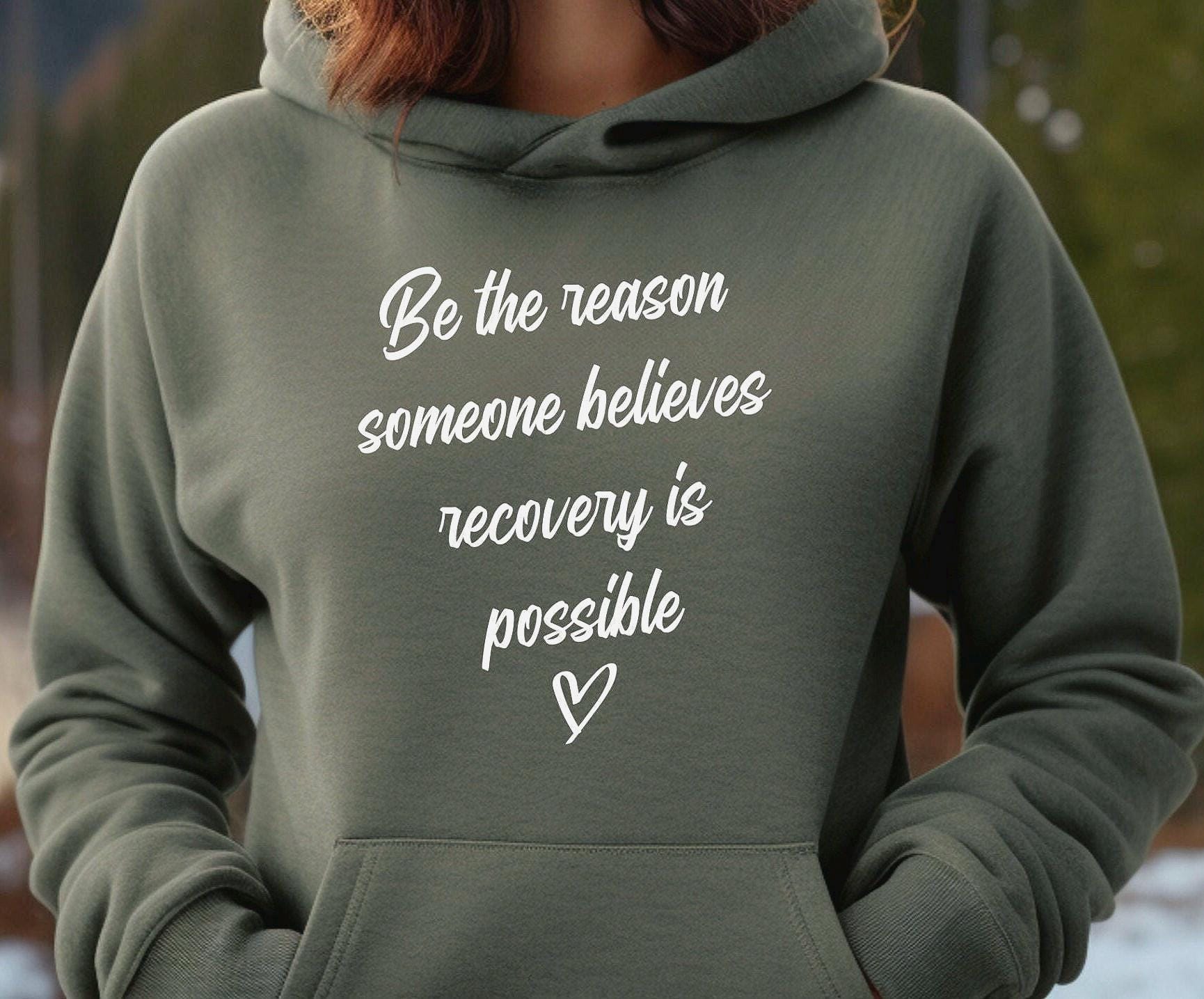
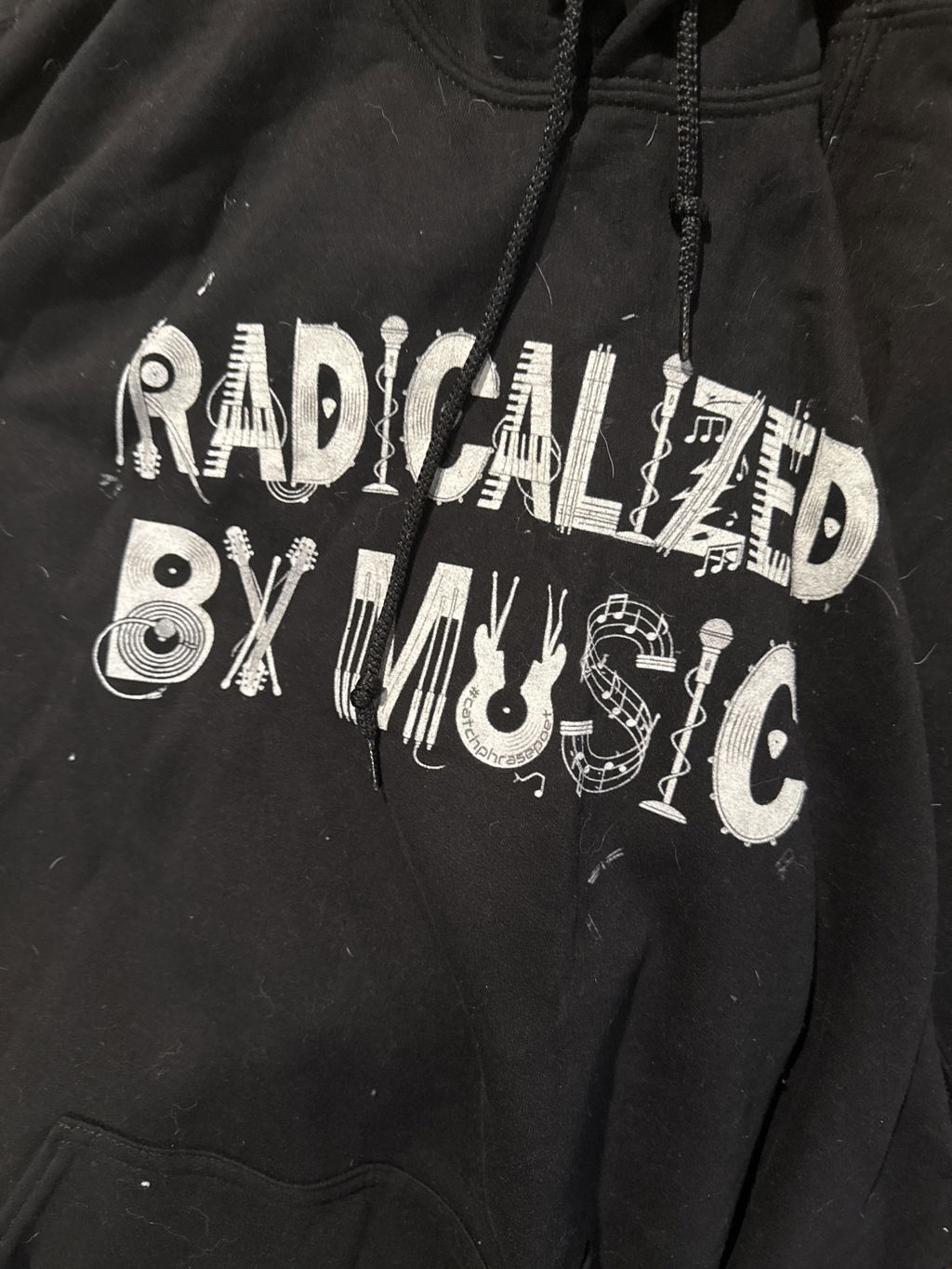
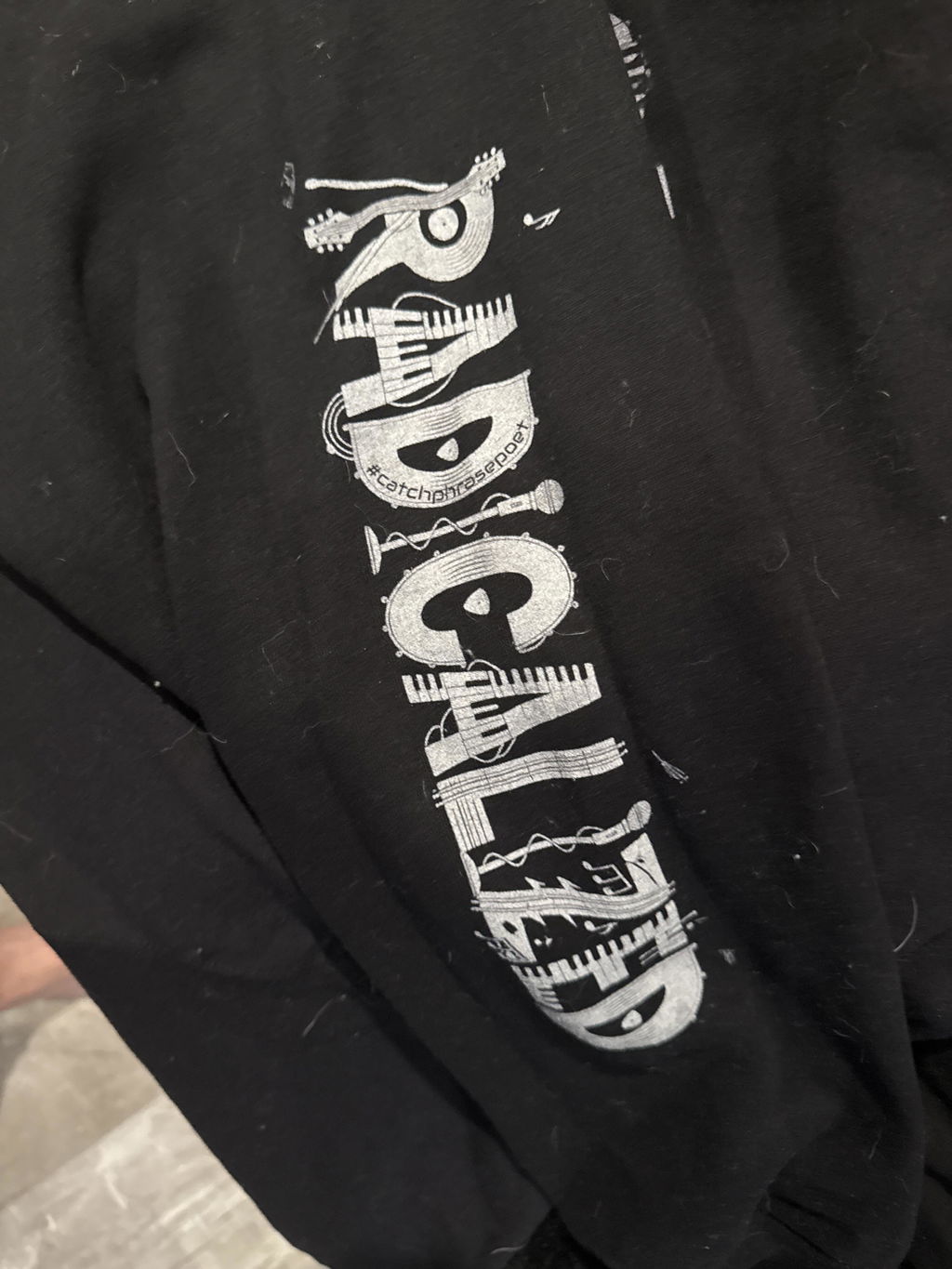
Self-care flips the script. It becomes the counter-hack: structured rituals that ground the mind without dulling it. Wear your recovery like armor—literally. Slip on a Rebuild Shield Logo Tee and let the crest remind you: cracks mend into strength.
(Image: A motivational hoodie with an uplifting recovery affirmation—wear your mindset, literally. Be the reason someone believes recovery is possible.)
Physical Self-Care: Fuel the Machine, Don't Burn It Out
Your body took the hits—sleep debt, nutrient gaps, cortisol spikes from chronic stress. High-IQ recovery means treating physiology like code: optimize inputs for peak output.
-
Movement as Medicine — Not gym-bro grind, but deliberate motion. Walks in nature to let thoughts flow without looping. Yoga or breathwork to anchor the racing mind. Exercise releases endorphins that mimic the high without the crash . Aim for 30-60 minutes daily—consistency over intensity.
-
Nutrition Reset — Ditch the "I'll eat when I feel like it" chaos. Balanced meals stabilize blood sugar, which quiets anxiety spikes. Hydrate like it's your job—dehydration amplifies overthinking.
-
Sleep Architecture — 7-9 hours isn't optional; it's non-negotiable. Create rituals: no screens 60 minutes before bed, consistent schedule. Quality rest rebuilds neurotransmitters addiction wrecked .
These aren't luxuries—they're engineering. Skip them, and the mind defaults to old patterns.
Mental & Emotional Self-Care: Tame the Overthinker Beast
The real battlefield is upstairs. High-IQ sobriety demands tools that match your bandwidth—mindfulness isn't woo-woo; it's cognitive debugging.
-
Mindfulness & Meditation — Start small: 5-10 minutes daily. Notice thoughts without judgment—let them pass like clouds. Apps or guided sessions build the muscle . It reduces craving intensity and boosts acceptance.
-
Journaling as Interrogation — Externalize the storm. Write triggers, rationalizations, wins. Ask: "What story am I telling myself right now?" Track patterns like data points. Journaling prevents bottled emotions from exploding .
-
Gratitude Practice — Counter negativity bias. List three things daily—why they matter. It rewires neural pathways toward presence .
-
Boundaries & HALT Check — Hungry, Angry, Lonely, Tired? These amplify overthinking. Set limits on energy vampires. Build a support circle—therapy, sober friends, meetings .
For the analytical mind: treat emotions as data, not enemies. Feel them, analyze patterns, adjust code.
Social & Spiritual Self-Care: Connection Without the Crutch
Isolation breeds rumination. High-IQ types often prefer solo depth, but sobriety thrives on vetted connection.
-
Support Networks — AA/NA, SMART Recovery, or therapist—find ones that respect intellect. Share without performing.
-
Hobbies & Purpose — Rediscover passions sidelined by addiction. Reading, creating, hiking—fill the void with meaning .
-
Nature & Reflection — PNW trails ground the mind. Walk, breathe, observe—no phone.