Streetwear is everywhere now — on runways, in luxury boutiques, on the backs of people who've never touched a skateboard. But it didn't start in a boardroom or a fashion house. It started on a beach, in a garage, out of the back of a car. This is the story of how a surfboard shaper's signature became a multi-billion-dollar global culture — and why, decades later, the independent spirit it was built on still matters.
Where streetwear began: surf, skate, and hip-hop (late 1970s–1980s)
Streetwear didn't come from one place. It came from a convergence — three subcultures bleeding into each other at the same cultural moment. In 1970s New York, the hip-hop scene was building its own clothing language: oversized fits, sneakers, sports jerseys, bold expression worn as identity. Meanwhile, on the West Coast, Southern California's surf and skate scenes were brewing a DIY, anti-establishment style of their own.
The man most often credited with turning that energy into a brand is Shawn Stüssy. In the early 1980s, Stüssy was shaping surfboards in Laguna Beach, California, and scrawling his graffiti-like signature on them. He started printing that same signature on t-shirts and selling them out of the back of his car. He formalized the brand, Stüssy, in 1984 — and it's widely considered the first true streetwear label.
What made Stüssy different wasn't just the shirts. It was that Shawn Stüssy sat at the intersection of surf, skate, hip-hop, and the downtown art and music scenes — and his brand pulled all of them together. That convergence is streetwear's DNA.
The birth of scarcity: drops and "the tribe"
Stüssy also pioneered something that still defines streetwear today: scarcity as strategy. By keeping product limited and hard to get, he made it more desirable — the opposite of mass-market fashion's "make as much as possible" logic.
He paired it with community. Beginning in the late 1980s, Stüssy gifted product to influential DJs, artists, skaters, and musicians in each city where the brand was catching on — the "International Stüssy Tribe." No Instagram, no metrics, just cultural intuition about who mattered in each scene. It was influencer marketing decades before the word existed, and it built streetwear's community-first ethos from the ground up.
The idea of the "drop" — a limited release at a set time — traces back to this era too. Nike's mid-1980s Air Jordan releases planted the seed; skate brands like Supreme and Palace carried it forward; and drop culture is now the beating heart of how streetwear sells.
The 1990s: hip-hop takes the wheel
If the '80s built the foundation, the '90s poured the concrete. Hip-hop exploded into the mainstream, and its artists became the era's true style icons. Record labels and artists launched their own branded apparel; workwear brands like Carhartt got absorbed into the look; and the b-boy aesthetic — tracksuits, chunky sneakers, bold logos — defined a generation.
In 1994, a skate shop opened on Lafayette Street in New York that would become streetwear's most important brand: Supreme. Built for skaters, steeped in NYC attitude, and ruthless about scarcity, Supreme turned the drop model into a religion and a resale economy. Across the Pacific, Japan's Harajuku scene was building its own fiercely creative streetwear culture, and the two scenes fed each other.
The 2000s–2010s: from the street to the runway
Streetwear spent the 2000s consolidating its grip on youth culture — Supreme and Stüssy at their peak, sneaker culture becoming an obsession, the internet turning local scenes global. Then came the twist nobody in 1984 could have predicted: luxury fashion came knocking.
The 2010s saw collaborations that would've been unthinkable a generation earlier — Supreme x Louis Vuitton, Stüssy x Dior, and streetwear veterans landing creative-director roles at storied fashion houses. The thing born on a beach and sold from a car trunk was now setting the direction of high fashion. By some estimates, streetwear grew into a $300+ billion global industry.
Why streetwear's origins still matter today
Here's the irony: the bigger streetwear got, the further it drifted from what made it matter. When a "streetwear" hoodie is mass-produced by a conglomerate and sold in a mall, it has the look but not the soul. The culture was never about big logos and big factories — it was about self-expression, scarcity, community, and a DIY spirit. Surfers and skaters and kids with spray cans making something that said who they were.
That's why the most interesting corner of streetwear today isn't the luxury collabs — it's the return to the roots. Independent streetwear: small, self-owned brands making original work with a point of view, often printed to order instead of mass-manufactured, built around a message rather than a mega-logo. It's Shawn Stüssy's garage energy, updated for now. (If you're curious how indie streetwear differs from the mass-market stuff, we broke that down here.)
Where Catch Phrase Poet fits in the story
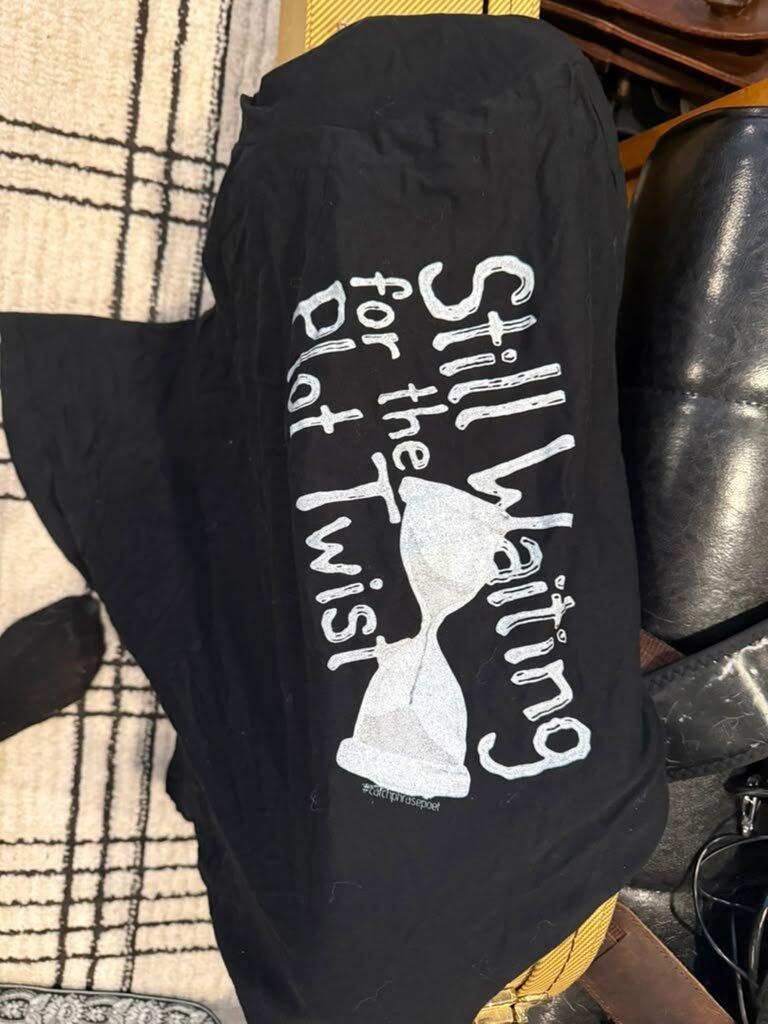
We built Catch Phrase Poet in that original spirit — not to chase trends or stamp a logo on a blank, but to make statement tees, hoodies, and jackets that actually say something. Printed to order, never mass-produced. A dollar from every order going to Rose Haven, a Portland shelter. Independent, message-driven, community-minded — the things streetwear was about before it got a boardroom.
Streetwear started as a rebellion that turned into a lifestyle. The brands keeping it honest now are the small ones. That's the lane we're proud to be in.
Shop the Indie Streetwear collection →
Sources: WWD's history of streetwear; Highsnobiety and Complex oral histories of Stüssy; The Rake, "How Streetwear Restyled the World." Industry size figures are widely cited 2020s estimates and vary by source.