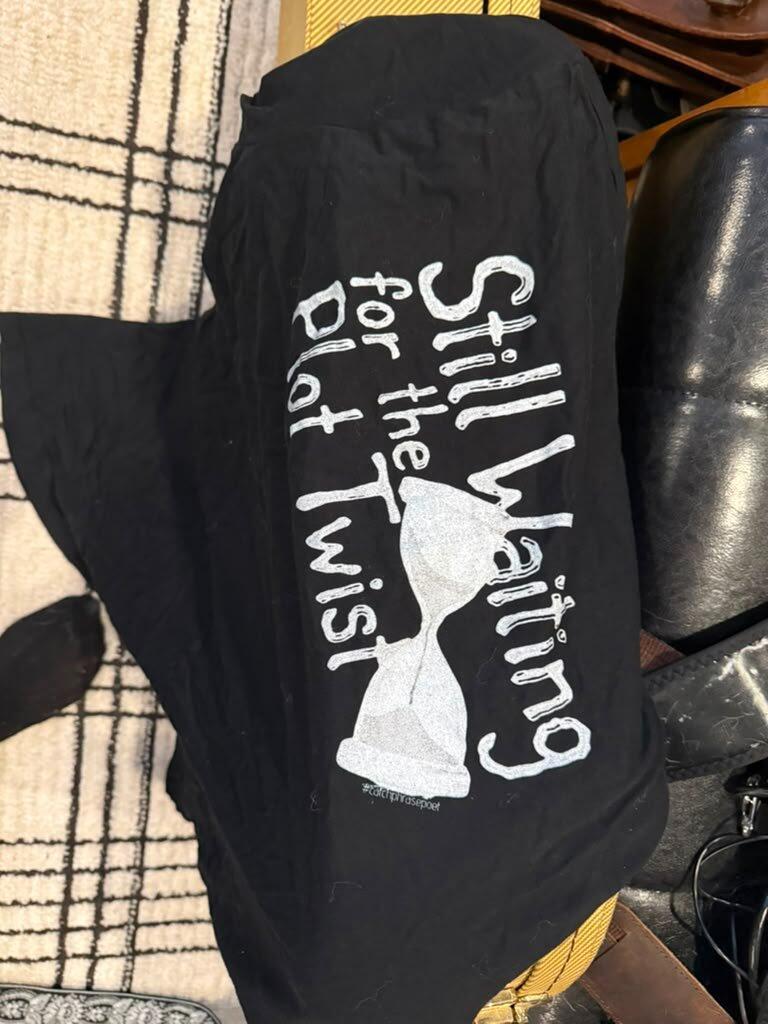
They can look the same on a screen. Two black tees, similar price, both called "streetwear." But one came off a warehouse shelf where ten thousand identical copies sit waiting, and the other didn't get made until someone ordered it. That gap — between fast fashion and indie streetwear — is bigger than it looks, and it's worth understanding before you spend your money.
The core difference: made-to-order vs. made-by-the-millions
Fast fashion runs on volume. Brands mass-produce enormous quantities of clothing up front, betting they'll sell it, and chasing whatever trend is moving fastest. When they bet wrong — which is constantly — the leftovers become waste. The industry produces an estimated 92 million tons of textile waste every year, and a garbage truck's worth of clothing is landfilled or burned roughly every second.
Independent streetwear brands often work the opposite way. Many, including us, print to order — nothing gets made until you buy it. No warehouse of unsold inventory, no overproduction, no guessing what will sell. The clothing exists because someone wanted it, not because a factory needed to hit a quota. That single difference changes almost everything downstream.
Five ways they actually differ
-
Production: Fast fashion overproduces in bulk. Indie streetwear is often made to order or in small runs, so far less is wasted.
-
Design: Fast fashion copies trends and floods the market. Indie brands create original graphics and messages with a real point of view.
-
Quality: Fast fashion is built to be cheap and replaced fast. Indie pieces are usually made to last, because the brand's name is on them.
-
Ethics: Fast fashion's low prices come from somewhere — usually overproduction and opaque supply chains. Indie brands more often build sustainability and transparency into the model.
-
Meaning: Fast fashion sells you a look. Indie streetwear sells you something to say.
Why fast fashion is so cheap — and what it actually costs
Fast fashion's prices feel like a deal, but the low sticker hides the real cost. To make clothing that cheap, that fast, brands overproduce at massive scale, cut corners on materials, and rely on supply chains most shoppers never see. The environmental bill — water use, textile waste, carbon — gets paid by everyone, and the garment itself often falls apart in a season, so you buy again. "Cheap" clothing you replace three times a year isn't actually cheap.
Indie streetwear usually costs a little more up front. But you're paying for original design, better construction, a made-to-order model that doesn't dump waste into a landfill, and often a mission behind the brand. You buy less, and what you buy lasts and means something.
The made-to-order difference, in plain terms
Here's what "printed to order" actually means for you as a buyer. When you order one of our tees, it doesn't come out of a pile — it gets made for you. That's why there's no warehouse and no waste on our end, and it's why every piece feels intentional rather than mass-produced. It's a slower, more deliberate way to make clothes, and it's a direct answer to everything that's broken about fast fashion.
It also means what we make reflects a point of view instead of a sales forecast. We're not printing ten thousand of anything and hoping. We're making statement pieces for people who actually want them.
Choosing better without overthinking it
You don't have to overhaul your whole closet to shop more consciously. A simple rule helps: buy fewer things, but buy things that mean something and last. When you do buy, look for brands that make to order or in small batches, design their own work, and are transparent about how they operate. That's most of the difference between fueling the fast-fashion waste machine and supporting something better.
Streetwear that stands for something
We built Catch Phrase Poet as the antidote to the mall-tee, warehouse-shelf version of streetwear. Everything is printed to order, never mass-produced — no overproduction, no waste. Every piece carries an original message that actually means something. And a dollar from every order goes to Rose Haven, a Portland shelter for people living on the street.
That's the real difference between fast fashion and indie streetwear: one is built to move volume, the other is built to mean something. If that's the kind of thing you want to wear, shop the Indie Streetwear collection — made to order, made to last, made to matter.
Shop Indie Streetwear →