If you've ever stood in front of a rack of graphic hoodies and felt something — not just "I like this" but something closer to recognition, like the clothing was saying something you already believed — you've had your first real streetwear moment.
But what actually is streetwear? The answer is more interesting than most fashion explainers make it sound. And it matters, because streetwear is one of the few clothing categories that genuinely started from the streets — from skate culture, from hip-hop, from people who had something to say and chose clothing as the medium.
Here's the plain-English version.
Streetwear Didn't Start in a Design Studio
Most fashion categories have a clear origin: haute couture came from Parisian ateliers, athletic wear came from sportswear brands, workwear came from functional necessity. Streetwear is different. It came from people.
In the 1970s and 80s, skateboarding culture in Southern California and hip-hop culture in New York were independently developing a visual language for what it meant to move through the world on your own terms. Both communities needed clothing that was functional, expressive, and affordable — and neither was being served by mainstream fashion.
So they made their own. T-shirts with graphics. Oversized fits. Hoodies. Snapbacks. Pieces that could take a beating at a skate park and still look intentional on a city block.
That's the DNA. Streetwear has always been clothing made by people who weren't waiting for permission from the fashion industry to define their own aesthetic.
What Makes Something Streetwear?
There's no committee that certifies streetwear. No official checklist. But if you look at pieces that consistently get described that way, a few things show up again and again:
Graphic-forward design. Streetwear wears its message on the outside. Logos, typography, illustrations, slogans — the visual element is the point, not an afterthought. A plain white tee is a blank. A tee with a meaningful graphic is a statement.
Casual silhouettes built for real life. Oversized fits, relaxed cuts, drop shoulders, heavyweight fleece. Streetwear is built to be worn, not preserved. It gets better with age, not worse.
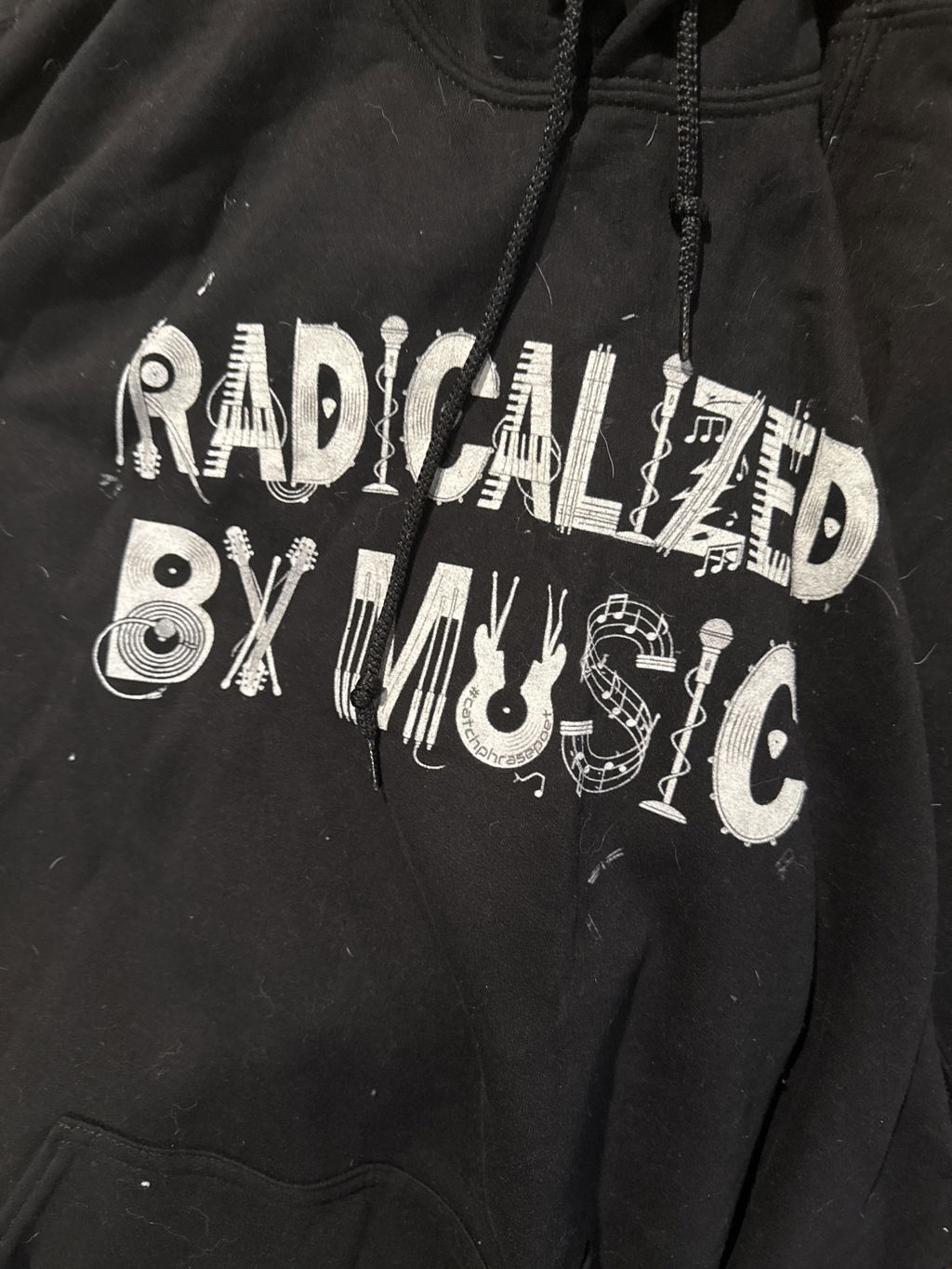
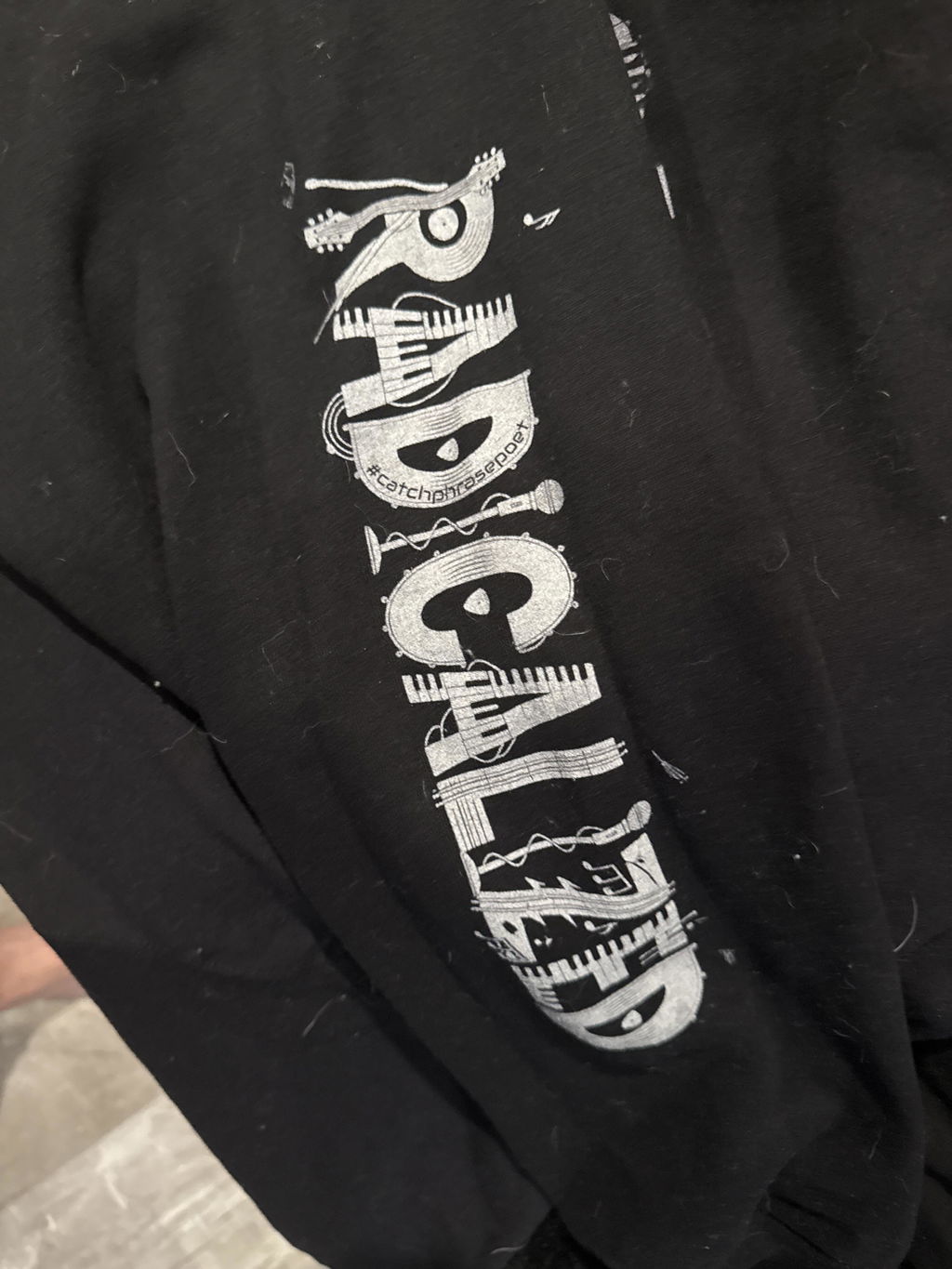
Cultural specificity. The best streetwear pieces feel like they come from somewhere — a city, a subculture, a scene, a point of view. You can feel the reference. Our "Radicalized by Music" pieces come from a very specific place: the experience of being permanently altered by sound. That's streetwear thinking.
Limited or intentional production. Traditional fashion is about scale. Streetwear at its best is about intention. Pieces that are made carefully, not mass-produced into oblivion.
Wearability across contexts. A streetwear piece should work at a show, on a commute, at a coffee shop, and on a late-night run to the grocery store. It doesn't require an occasion.
Streetwear vs. Hype Culture: An Important Distinction
In the 2010s, streetwear got complicated. Supreme drops, sneaker resale markets, collab drops that sold out in 11 seconds — a whole ecosystem built around scarcity and hype. And while that scene produced some genuinely interesting design, it also produced a lot of expensive mediocrity worn primarily as a status signal.
That's hype culture. It's adjacent to streetwear but it's not the same thing.
Real streetwear doesn't require you to camp outside a store. It doesn't need a resale value to justify its existence. It just needs to be well-made, visually intentional, and connected to something true.
The best streetwear brands — the ones that last — are built around a consistent point of view, not a marketing calendar. The graphic on the tee means something. The slogan on the hoodie has weight. You wear it because it says something you believe, not because 500 other people couldn't get one.
What Streetwear Looks Like in 2026
Streetwear in 2026 is quieter than it was five years ago — and more honest for it. The hype cycle has cooled. What's replaced it is a renewed interest in clothing with actual meaning: pieces that carry a message, reflect a value, or mark a belonging.
A few trends worth noting:
Typography is back at the center. Bold wordmarks, distressed lettering, hand-drawn scripts — the message-first approach is having a strong moment. People want to wear their convictions, not just a logo.
Heavyweight fleece is the new luxury. Premium midweight and heavyweight hoodies and crewnecks — the kind that cost a bit more and last a lot longer — are being treated with the same intentionality that used to be reserved for denim or outerwear.
Print quality matters. DTG (direct-to-garment) printing technology has gotten good enough that the graphic on a tee can be as detailed and nuanced as a print on paper. Brands that invested in print quality early look very different from those that didn't.
Women's streetwear is its own thing now. Crop hoodies, oversized boxy tees, all-over print pieces, ribbed crops with attitude — women's streetwear has moved well beyond "same as men's but smaller." It has its own silhouettes, its own references, its own energy.
The message is the product. The most resonant streetwear pieces of 2026 aren't defined by who made them — they're defined by what they say. "Radicalized by Music." "The Mess Is Part of the Masterpiece." "Music Mends the Mess." Clothing as walking manifesto.
Catch Phrase Poet: Streetwear Built Around Language
We're a Portland-based streetwear brand. But more specifically, we're a brand built around the idea that language is the most powerful design element available to a clothing maker.
The graphic on a generic tee might catch your eye for a second. A phrase that says something you've never been able to put into words yourself — something that makes you think yes, that's exactly it — stays with you. You reach for that tee on the hard days. You wear it when you want to say something without opening your mouth.
That's what we make. Bold graphic tees, heavyweight hoodies, premium fleece crewnecks, and statement pieces for women, men, and kids — all built around language that lands.
Some pieces are loud about it. Some are quiet. All of them are made on quality blanks with DTG print quality that holds up through real use, and all of them ship free anywhere in the USA with no minimum order required.
How to Build a Streetwear Wardrobe That Actually Works
A few practical principles for anyone looking to develop a streetwear aesthetic that's theirs:
Start with one piece that says something you believe. Not something that looks cool to other people. Something that's true for you. Build outward from there.
Invest in fit and fabric. A well-made heavyweight hoodie in a relaxed fit will do more work in your wardrobe than ten cheap pieces. Buy less, buy better.
Let the graphic do the talking. You don't need to wear head-to-toe graphics. One strong piece — a statement tee, a bold hoodie — worn with simple basics is more powerful than layering five things that all want to be the loudest.
Wear it, don't preserve it. Streetwear that never gets worn is just expensive storage. The best pieces develop character over time. Wash them, wear them, let them live.
Know what you're saying. The most important question to ask before buying any piece of streetwear: does this say something I actually mean? If the answer is yes, it's worth buying. If the answer is "it looked cool on someone else," maybe keep looking.
Streetwear, at its best, is clothing with a point of view. It's fashion that came from real people with real things to say — and it works best when you're wearing it as yourself, not as a costume.
That's the whole thing. The rest is details.
Browse the full Catch Phrase Poet catalog →