Scroll any clothing site and you'll see the words thrown around like they're interchangeable: urban wear, streetwear, street style, urban fashion. They're related — but they're not the same thing, and the difference says a lot about what you're actually buying. If the line's always felt a little blurry to you, you're not wrong. Let's clear it up.
The short answer
Streetwear is a specific style and culture — casual apparel rooted in skate, hip-hop, surf, and youth movements, built on graphic tees, hoodies, relaxed fits, sneakers, and limited drops. Urban wear is the older, broader umbrella it grew out of: a looser term for city-influenced, hip-hop-adjacent fashion. Put simply — streetwear is the sharper, living term; urban wear is the wider, older one that's faded a bit with time.
Where urban wear came from
"Urban wear" rose in the '90s and early 2000s, closely tied to hip-hop's mainstream explosion — bold logos, baggy silhouettes, sports and music influences, and a city-centric identity. It described a whole lane of fashion built around urban culture and the brands that dressed it. The term did real work for a couple of decades.
But language moves. Over time "urban" drifted into a vaguer, more corporate retail descriptor — a catch-all for "city clothes" that lost the edge it started with. Today it reads a little dated, and in some contexts it's quietly been retired altogether.
How streetwear took the wheel
Streetwear emerged from the same cultural soil but kept evolving — pulling in skate and surf culture, independent artists, sneaker obsession, drop culture, and a DIY ethos. Crucially, it became about point of view: original graphics, real messages, scarcity, and community rather than just a city aesthetic. That's why streetwear is the term with cultural weight today, and the one people actually search for and identify with.
The biggest shift: streetwear went independent. Where urban wear was often about big logos and big brands, modern streetwear is increasingly about indie streetwear — small, self-owned labels making original work with something to say. That's the live edge of the culture now.
The practical differences
-
Specificity: Streetwear names a culture with a lineage. Urban wear is a broad, catch-all descriptor.
-
Design focus: Streetwear leans on original graphics and messages with a point of view. Urban wear leaned on branding and a general city aesthetic.
-
Currency: Streetwear is the living, evolving, searched-for term. Urban wear reads older and is fading from use.
-
Ethos: Modern streetwear prizes independence, originality, and community. Urban wear was more tied to mainstream labels.
So which are you shopping for?
If you want clothes that just fit a general city look, "urban wear" might lead you there. But if you want apparel with a point of view — original graphics, a real message, a brand that stands for something — what you actually want is streetwear, and more specifically, independent streetwear. That's where the culture lives now.
Where Catch Phrase Poet lands
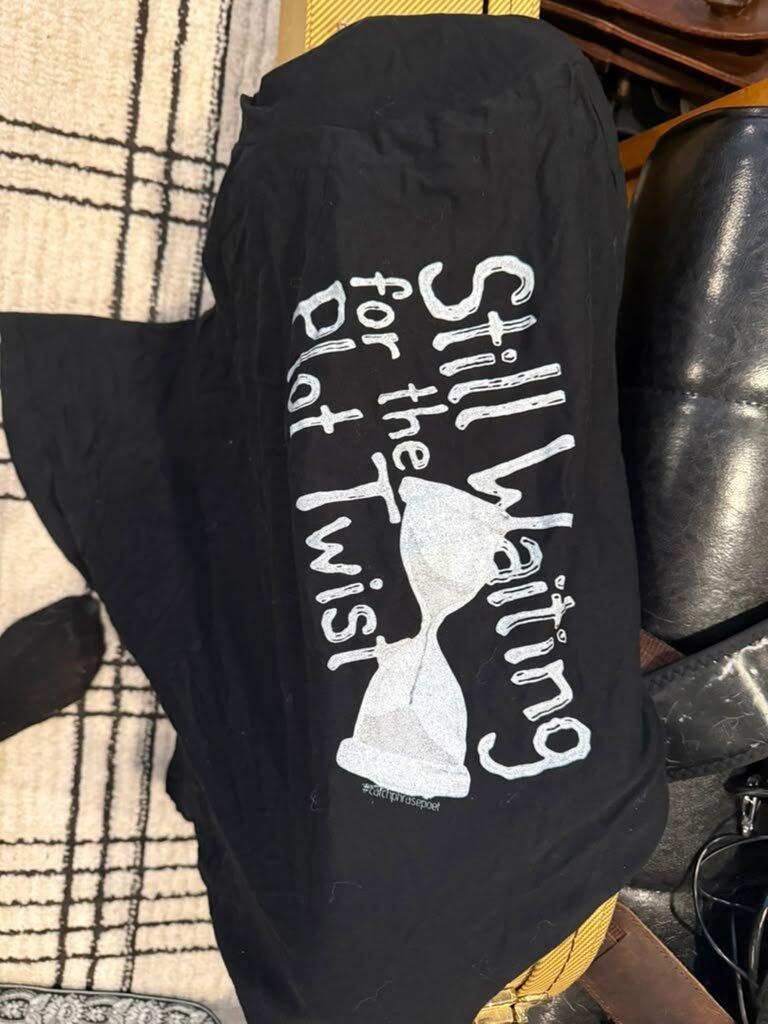
We're an independent streetwear brand, full stop. We make statement tees, hoodies, and jackets with original lines woven into every piece — not generic city clothes, and not big-logo product. Printed to order, never mass-produced, with a dollar from every order going to Rose Haven, a Portland shelter.
Call it urban, call it street — but if you want clothing that actually means something, that's the lane we've always been in. Shop the Indie Streetwear collection →