The Ultimate Guide to Conscious Fashion and Slow Style: Ethical Clothing Brands and Sustainable Wardrobe Building
By jaret simmons, Catch Phrase Poet
Conscious fashion and slow style represent a transformative approach to the fashion industry, emphasizing sustainability, ethical production, and mindful consumerism. This guide delves into the principles of conscious fashion, exploring how slow style promotes sustainable practices and encourages consumers to make informed choices. Readers will learn about the environmental impacts of their clothing choices, the types of sustainable fabrics available, and how to build a wardrobe that reflects their values while expressing individuality. As the fashion industry faces increasing scrutiny over its environmental footprint, understanding these concepts becomes essential for anyone looking to make a positive impact. This article will cover the definition of conscious fashion, the benefits of slow style, sustainable fabric types, and practical tips for creating a versatile wardrobe.
What Is Conscious Fashion and How Does Slow Style Promote Sustainability?
Conscious fashion refers to a movement within the fashion industry that prioritizes ethical production, sustainability, and social responsibility. It encourages consumers to consider the environmental and social impacts of their clothing choices. Slow style, a key component of conscious fashion, promotes a more thoughtful approach to consumption by advocating for quality over quantity and encouraging consumers to invest in timeless pieces that last. This shift not only reduces waste but also fosters a deeper connection between consumers and their clothing, leading to more sustainable habits.
Defining Conscious Fashion and Its Impact on the Environment
Conscious fashion is characterized by its focus on sustainable practices, including the use of eco-friendly materials, ethical labor practices, and transparency in the supply chain. The environmental impact of traditional fashion is significant, contributing to pollution, waste, and resource depletion. By choosing conscious fashion, consumers can help mitigate these effects, supporting brands that prioritize sustainability and ethical production. This awareness fosters a culture of responsibility, encouraging individuals to make choices that benefit both the planet and society.
Indeed, the textile industry's significant environmental footprint underscores the critical need for sustainable practices and consumer awareness.
Sustainable Textile Practices: Standards, 3 Rs, and Green Consumerism
The textile industry is indicted to be one among the most polluting industries, and hence, it becomes mandatory to adopt sustainable practices in order to conserve the Mother Nature. At present, most of the industry practices are modified or transformed in order to achieve sustainability, and for these, standards are indispensable. Sustainable practices in textile industry include using less amounts of water, hazardous chemicals, pesticides, and fertilizers; adopting eco-friendly production processes; using less energy for production processes; and introducing 3 Rs—Reduce, Reuse, and Recycle. Society is also gaining awareness on green consumerism and looking for ecoproducts. Sustainability standards and certificates are concerned with the safety of the consumer, the manufacturer, the society, and the environment at large.
Sustainable practices in textile industry: standards and certificates, K Amutha, 2016
How Slow Style Encourages Sustainable Consumer Habits
Slow style promotes sustainable consumer habits by encouraging individuals to research brands, choose quality over quantity, and support local artisans. This approach emphasizes the importance of understanding where clothing comes from and the conditions under which it is made. By prioritizing quality and durability, consumers can reduce their overall consumption and minimize waste. Additionally, slow style encourages a minimalist philosophy, where individuals curate their wardrobes with versatile pieces that can be mixed and matched, further extending the life of each item.
Which Sustainable Fabric Types Support Ethical Clothing Brands?
Sustainable fabric types play a crucial role in the conscious fashion movement, as they significantly reduce the environmental impact of clothing production. Fabrics such as organic cotton, Tencel, and recycled polyester are becoming increasingly popular among ethical clothing brands. These materials are sourced and produced in ways that minimize harm to the environment, making them ideal choices for consumers looking to build a sustainable wardrobe.
Common Eco Friendly Fabrics and Their Environmental Benefits
Eco-friendly fabrics offer numerous environmental benefits, including reduced water usage, lower carbon emissions, and decreased reliance on harmful chemicals. For instance, organic cotton is grown without synthetic pesticides or fertilizers, promoting healthier soil and ecosystems. Tencel, made from sustainably sourced wood pulp, is produced in a closed-loop process that recycles water and solvents. Recycled polyester, derived from post-consumer plastic bottles, helps divert waste from landfills while reducing the need for virgin materials. By choosing these fabrics, consumers can support brands that prioritize sustainability and contribute to a healthier planet.
How to Identify and Choose Sustainable Materials for Your Wardrobe
Identifying and choosing sustainable materials for your wardrobe involves researching brands and understanding material selection criteria. Look for certifications such as GOTS (Global Organic Textile Standard) for organic fabrics or OEKO-TEX for non-toxic textiles. Additionally, consider the lifecycle of the materials used in clothing, from production to disposal. By prioritizing brands that are transparent about their sourcing and manufacturing processes, consumers can make informed choices that align with their values.
The importance of such certifications cannot be overstated, as they are crucial for ensuring eco-friendly production and building consumer trust in sustainable fashion.
Sustainable Fashion Certification: Ensuring Eco-Friendly Production & Consumer Trust
Sustainable fashion refers to textile materials and processes that are environmentally friendly. To achieve sustainable fashion, it is ensured that entire value chains, including design, manufacturing, distribution, and utilization, adhere to the principles of resource efficiency, pollution prevention, and circularity. Sustainable fashion certification plays a crucial role by codifying criteria for efficient resource use, waste reduction, and the adoption of eco-friendly materials. These efforts lower the carbon footprint and conserve natural resources. Therefore, certification and standardization serve as essential tools for evaluating a product's environmental sustainability, commercial viability, and overall contribution to sustainable fashion. Additionally, transparent certification and harmonized standards strengthen consumer trust in certified products and the systems that produce them.
Certification and Standardization in Sustainable Fashion Materials Production, VK Gupta, 2026
How Can You Build a Slow Style Wardrobe with Motivational Apparel?
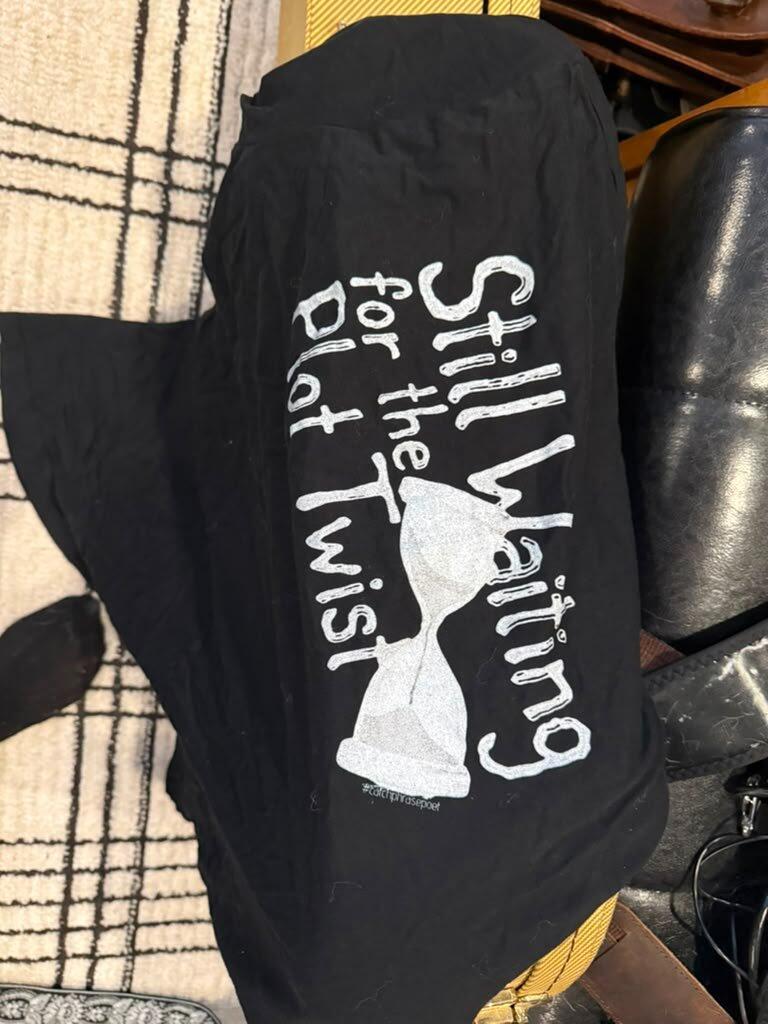
Building a slow style wardrobe with motivational apparel involves selecting pieces that not only reflect personal style but also promote positive messages. Motivational apparel can serve as a form of self-expression, allowing individuals to showcase their values and beliefs through their clothing choices. Brands like Catch Phrase Poet offer unique apparel and accessories featuring bold, witty, and motivational catchphrases, empowering customers to express their individuality and positivity. By incorporating such pieces into a wardrobe, consumers can create a collection that inspires and uplifts.
Step-by-Step Tips for Creating a Versatile and Sustainable Wardrobe
Creating a versatile and sustainable wardrobe requires thoughtful planning and intentional choices. Here are some tips to guide the process:
Define Your Personal Style: Understand what styles resonate with you and what pieces you feel most comfortable in.
Conduct a Wardrobe Audit: Assess your current wardrobe to identify items you love and those you rarely wear. This will help you make informed decisions about future purchases.
Invest in Quality: Prioritize high-quality pieces that are durable and timeless, rather than fast fashion items that may quickly go out of style.
By following these steps, individuals can build a wardrobe that is not only sustainable but also reflective of their personal style.
What Are Effective Eco Friendly Fashion Tips for Everyday Consumers?
Adopting eco-friendly fashion habits can significantly reduce one's environmental impact. Here are some effective tips for everyday consumers:
Research Sustainable Brands: Take the time to learn about brands that prioritize ethical production and sustainable practices.
Choose Eco-Friendly Materials: Opt for clothing made from organic, recycled, or sustainably sourced materials.
Practice Mindful Shopping: Avoid impulse purchases by considering whether an item truly fits your style and needs before buying.
Conscious Consumer Habits to Reduce Environmental Impact
Conscious consumer habits are essential for reducing environmental impact. This includes researching brands, choosing eco-friendly materials, and supporting inclusive sizing. By being mindful of purchasing decisions, consumers can contribute to a more sustainable fashion industry.
Caring for Slow Fashion Items to Extend Their Lifespan
Caring for slow fashion items is crucial for extending their lifespan. Proper washing techniques, such as using cold water and air drying, can help maintain the quality of garments. Additionally, storing items in a cool, dry place and avoiding overcrowding in closets can prevent damage. By taking these steps, consumers can ensure their slow fashion pieces remain in excellent condition for years to come.
How Do Ethical Clothing Brands Influence the Fashion Industry?
Ethical clothing brands are reshaping the fashion industry by promoting transparency, sustainability, and social responsibility. These brands often lead by example, demonstrating that it is possible to produce stylish clothing while adhering to ethical practices. As consumer demand for ethical apparel grows, more traditional brands are beginning to adopt similar practices to remain competitive.
The Role of Transparency and Sustainability in Brand Reputation
Transparency and sustainability play a vital role in brand reputation. Consumers are increasingly seeking brands that are open about their sourcing and manufacturing processes. Brands that prioritize ethical practices often enjoy greater consumer trust and loyalty, as customers feel more connected to the values represented by the products they purchase.
Recent Growth Trends and Consumer Demand for Ethical Apparel
Recent growth trends indicate a significant increase in consumer demand for ethical apparel. Studies show that more consumers are willing to pay a premium for clothing that aligns with their values, particularly regarding sustainability and ethical production. This shift in consumer behavior is prompting brands to reevaluate their practices and adopt more sustainable approaches to meet the evolving market demands.
Where Can You Find Expressive and Sustainable Apparel for Women, Men, and Children?
Finding expressive and sustainable apparel is easier than ever, with many brands now offering collections that cater to diverse audiences. Look for brands that prioritize ethical production and sustainable materials, ensuring that your clothing choices reflect your values.
Exploring Catch Phrase Poet’s Collections for Diverse Audiences
Catch Phrase Poet offers a unique selection of apparel and accessories designed to empower customers through bold, motivational catchphrases. Their collections cater to unisex, women, and children, making it easy for individuals to find pieces that resonate with their personal style. By choosing Catch Phrase Poet, consumers can express their individuality while supporting a brand committed to conscious fashion.
Tips for Selecting Motivational and Artistic Designs that Reflect Individuality
When selecting motivational and artistic designs, consider the following tips:
Identify Your Personal Style: Choose designs that resonate with your personality and values.
Mix and Match: Look for versatile pieces that can be styled in various ways to create different looks.
Support Local Artists: Consider purchasing from brands that collaborate with local artists, adding a unique touch to your wardrobe.
To explore a range of options, consider visiting artistic designs that reflect individuality and inspire positivity. By following these tips, consumers can curate a collection of motivational apparel that truly reflects their individuality and inspires positivity.
For those interested in specific items, women's items are readily available. Additionally, you can view kids clothes. These collections offer a variety of choices to suit different preferences and needs.
An oversized hoodie is the easiest piece in streetwear to wear and the easiest to get wrong. Here's how to style men's oversized hoodies so they read intentional, not just big.
Looking for indie streetwear in Canada? Catch Phrase Poet ships original statement tees and hoodies from the US to Canada. Why the brand fits, plus how GST/HST, duties, sizing, and delivery work.
After indie streetwear in Australia? Catch Phrase Poet ships original statement tees and hoodies from the US to Australia. Why the brand fits, plus how GST, sizing, and delivery Down Under work.
Freedom Graphic Tee: Unisex Tattoo Art T-Shirt Jade Whitaker
Freedom Graphic Tee: Unisex Tattoo Art T-Shirt
I’ve always liked tattoo-style artwork, so this shirt was an easy choice for me. The graphic has a bold look without being too much, and it gives my usual casual outfits more personality.
Thank you! We’re glad the artwork was your style.
A
Tiago Graffiti Zip Hoodie Avery Collins
Tiago Graffiti Zip Hoodie
I liked this hoodie the second I saw the design. The graffiti artwork gives it a lot of personality, and it’s the kind of piece that makes a simple jeans-and-sneakers outfit look much better.
Thank you! We’re glad the graffiti style stood out to you.
M
Chronic Art Unisex Tee: Retro Graphic Cotton T-Shirt Milo Anderson
Chronic Art Unisex Tee: Retro Graphic Cotton T-Shirt
The retro artwork is what caught my attention. It has that worn-in graphic look that goes really well with jeans and sneakers. I’ve already worn it a few times since getting it.
Thanks! We’re glad you’re enjoying the retro style.
Respect the Past Be Present T-Shirt — Inspirational Graphic Tee
I bought this because the message felt meaningful to me. It’s simple, but I like wearing something that reminds me to appreciate where I came from while still focusing on what’s ahead.
Thank you! We’re happy the message connected with you.
The shirt is really comfortable, fits true to size, and the print looks even better in person. I've worn it a few times already, and it always gets a smile or a comment.