How Print-on-Demand Reduces Fashion Waste: Sustainable Fashion Practices Explained

By jaret simmons, Catch Phrase Poet
The fashion industry is notorious for its significant contribution to environmental waste, with overproduction and excess inventory being major culprits. Print-on-demand (POD) offers a revolutionary solution by producing clothing only after a purchase is made, effectively minimizing waste. This article explores how POD not only reduces fashion waste but also promotes sustainable practices within the industry. Readers will learn about the environmental impact of POD, its benefits for consumers and the industry, and how companies like Catch Phrase Poet leverage this model to create unique, eco-friendly apparel. By addressing the challenges of overproduction and inventory surplus, POD presents a viable path toward a more sustainable fashion future.
How Print-on-Demand Reduces Fashion Waste

Print-on-demand significantly reduces fashion waste by eliminating the need for unsold inventory. This model operates on a demand-driven basis, meaning items are only created when a customer places an order. As a result, the fashion industry can lower its waste output and utilize resources more efficiently. By avoiding overproduction, POD not only conserves materials but also reduces the environmental burden associated with excess inventory disposal. This innovative approach aligns with sustainable practices, making it a compelling choice for environmentally conscious consumers.
Environmental Impact
The environmental impact of print-on-demand is profound, as it contributes to a reduction in landfill contributions and lowers the overall carbon footprint of the fashion industry. By producing items only when ordered, POD supports a circular economy, where resources are used more sustainably. This model encourages the use of eco-friendly materials, further enhancing its positive environmental implications.
Further emphasizing these points, research highlights the specific environmental advantages of digital print-on-demand over traditional methods.
Environmental Benefits of Digital Print-on-Demand
Findings indicate that digital printing is a more sustainable alternative, consuming significantly less energy and water while generating minimal chemical waste. Traditional textile printing, characterized by high energy demands, extensive water usage, and toxic chemical outputs, presents considerable environmental challenges. Digital printing supports on-demand production, thereby reducing fabric waste and promoting a lower carbon footprint.
Environmental Impact of Digital Printing Versus Traditional Textile Printing, A Athalye, 2026
Environmental Benefits of Print-on-Demand Clothing Production
Print-on-demand clothing production offers several environmental benefits:
-
Reduced Waste: By producing only what is needed, POD minimizes the amount of unsold clothing that typically ends up in landfills.
-
Lower Carbon Footprint: The demand-driven nature of POD reduces transportation emissions associated with bulk production and distribution.
-
Conservation of Resources: Utilizing sustainable materials in POD processes helps conserve natural resources and reduces the environmental impact of textile production.
These benefits highlight the potential of POD to transform the fashion industry into a more sustainable sector.
Benefits for Consumers
Consumers benefit from print-on-demand in various ways, making it an attractive option for those seeking unique and personalized apparel.
-
Personalization and Unique Choices: POD allows customers to choose designs that resonate with their individuality, leading to a more personal shopping experience.
-
Quality Assurance: Since items are produced on demand, there is often a greater focus on quality control, ensuring that customers receive well-made products.
-
Alignment with Values: Many consumers today prioritize sustainability in their purchasing decisions. POD aligns with these values by reducing waste and promoting eco-friendly practices.
Catch Phrase Poet exemplifies this model by offering unique apparel and accessories that feature bold, witty, and motivational catchphrases, all produced through a print-on-demand system.
Benefits for the Industry
The print-on-demand model presents several advantages for the fashion industry as a whole.
-
Lower Financial Barriers: By eliminating the need for large upfront investments in inventory, POD allows smaller brands to enter the market more easily.
-
Encouragement of Ethical Practices: The POD model promotes ethical production practices by reducing the pressure to overproduce and waste resources.
-
Adaptability to Market Trends: Brands can quickly respond to changing consumer preferences without the risk of unsold inventory, allowing for greater flexibility in design and production.
What Is Print-on-Demand and How Does It Impact Fashion Waste?
Print-on-demand (POD) is a production model that allows items to be printed and shipped only after an order is placed. This method contrasts sharply with traditional manufacturing, which often involves producing large quantities of products in advance. The impact of POD on fashion waste is significant, as it directly addresses the issues of overproduction and excess inventory. By producing only what is needed, POD helps to mitigate the environmental impact associated with unsold clothing.
Processes Involved
The processes involved in print-on-demand include order confirmation, printing techniques, and quality control. When a customer places an order, the design is printed on the chosen apparel, ensuring that each item is made to order. This process not only enhances efficiency but also allows for customization, catering to individual consumer preferences.
Environmental Implications
The environmental implications of print-on-demand are substantial. By reducing the need for mass production, POD lowers the carbon footprint associated with traditional manufacturing methods. Additionally, the use of sustainable materials in POD processes contributes to resource conservation, making it a more eco-friendly option for consumers.
How Does On-Demand Manufacturing Reduce Textile Waste?
On-demand manufacturing effectively reduces textile waste by eliminating surplus inventory. Traditional manufacturing often results in excess clothing that is discarded or sold at a loss. In contrast, POD ensures that each item produced is based on actual consumer demand, significantly lowering the amount of waste generated.
In What Ways Does POD Lower Carbon Footprint Compared to Traditional Methods?
POD lowers the carbon footprint compared to traditional methods through several mechanisms:
-
Demand-Driven Production: By producing items only when ordered, POD reduces the emissions associated with transporting unsold inventory.
-
Resource Efficiency: The use of sustainable materials in POD processes further minimizes environmental impact.
-
Reduced Storage Needs: With no need for large warehouses to store unsold items, the overall energy consumption associated with storage is decreased.
How Does Print-on-Demand Support Eco-Friendly Apparel Production?
Print-on-demand supports eco-friendly apparel production by promoting waste reduction and resource efficiency. The model encourages brands to utilize sustainable materials, which not only benefits the environment but also appeals to consumers who prioritize eco-friendly practices in their purchasing decisions.
How Does POD Enable Custom Sustainable Fashion?
POD enables custom sustainable fashion by allowing consumers to choose designs that reflect their personal style while also supporting sustainable practices. This customization fosters a deeper connection between consumers and their clothing, encouraging intentional purchasing and reducing the likelihood of waste.
How Does Print-on-Demand Compare to Traditional Fashion Manufacturing in Waste Reduction?
When comparing print-on-demand to traditional fashion manufacturing, the differences in waste generation are stark. Traditional methods often lead to significant overproduction, resulting in large amounts of unsold inventory. In contrast, POD's demand-driven approach minimizes waste by producing only what is needed, making it a more sustainable option.
What Are the Key Differences in Waste Generation Between POD and Traditional Production?
The key differences in waste generation between POD and traditional production include:
-
Production Model: POD operates on a made-to-order basis, while traditional methods often produce large quantities in advance.
-
Waste Output: Traditional production typically results in higher waste output due to unsold inventory.
-
Material Options: POD allows for the use of sustainable materials, further reducing environmental impact.
How Does POD Address Overproduction and Inventory Surplus?
POD addresses overproduction and inventory surplus by producing items only after an order is placed. This model eliminates the risk of unsold inventory, allowing brands to operate more sustainably and efficiently. By reducing the pressure to overproduce, POD encourages ethical practices within the fashion industry.
Academic research further supports the role of digital textile printing in offering scalable and sustainable solutions to combat overproduction and influence consumer behavior in the fashion industry.
Digital Textile Printing for Sustainable On-Demand Fashion
This chapter examines how digital textile printing (DTP) has the potential to offer scalable and sustainable alternatives to conventional fashion and textile production by addressing two key challenges: inefficient overproduction, and consumer behaviour. DTP enables on-demand production, facilitating localised supply chains and supporting innovative business models that engage consumers and reduce the risks of mass production.
Digital Textile Printing: Opportunities and Challenges for Sustainable Localised Production, B Gooby, 2026
What Role Do Motivational Catchphrase Apparel and Individuality Play in Sustainable Fashion?
Motivational catchphrase apparel plays a significant role in sustainable fashion by promoting individuality and self-expression. This type of apparel resonates with consumers who value unique designs and messages, encouraging them to make intentional purchasing decisions that align with their values.
How Does Catch Phrase Poet Use POD to Promote Positive Messaging and Reduce Waste?
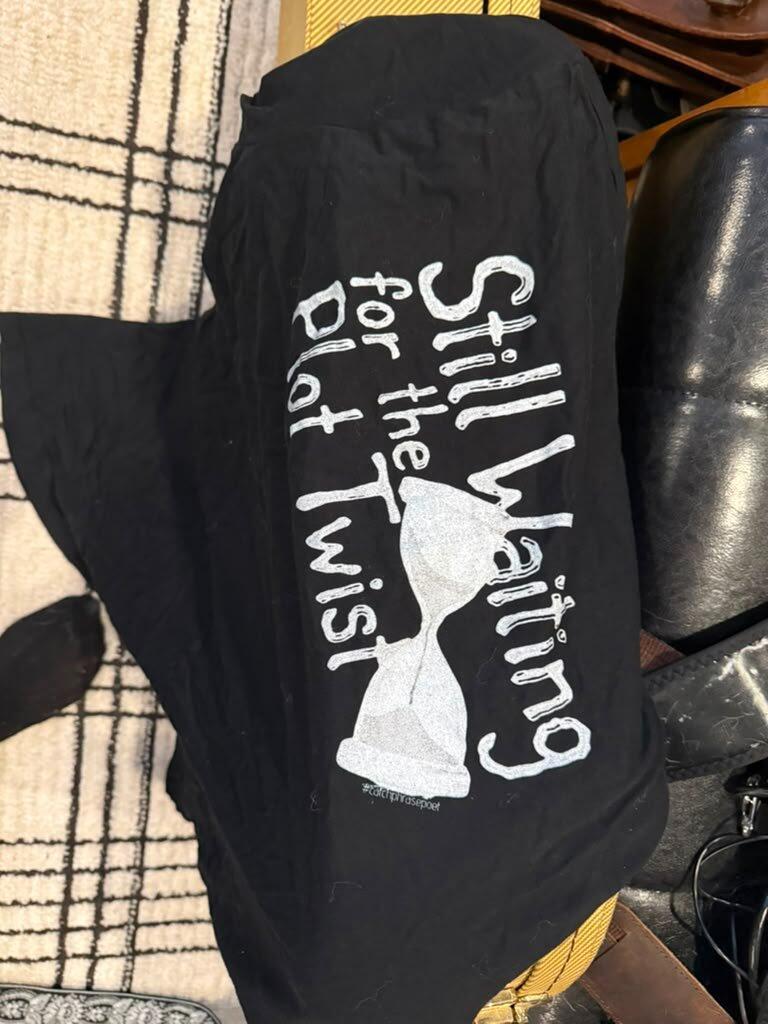
Catch Phrase Poet utilizes the print-on-demand model to create unique apparel that features motivational catchphrases. By producing items only after they are ordered, the company effectively reduces waste and promotes positive messaging. This approach not only supports sustainable practices but also empowers consumers to express their individuality through fashion.
Why Is Expressing Individuality Important in Sustainable Apparel Choices?
Expressing individuality is crucial in sustainable apparel choices as it encourages consumers to make thoughtful decisions about their clothing. When individuals feel a personal connection to their apparel, they are more likely to value and care for their items, reducing the likelihood of waste and promoting a more sustainable fashion culture.
What Are Common Questions About Print-on-Demand and Fashion Waste?
Common questions about print-on-demand and fashion waste include:
-
What is print on demand fashion?: Print on demand fashion refers to a production model where items are created only after an order is placed, minimizing waste.
-
How does POD reduce waste?: POD reduces waste by eliminating the need for unsold inventory, producing only what is needed.
-
Is print on demand sustainable?: Yes, print on demand is considered sustainable as it promotes eco-friendly practices and reduces environmental impact.
Is Print-on-Demand Truly Sustainable?
Print-on-demand is considered truly sustainable due to its focus on waste reduction and the use of eco-friendly materials. By producing items only when ordered, POD minimizes the environmental impact associated with traditional manufacturing methods, making it a viable option for sustainable fashion.
How Much Textile Waste Can POD Reduce Compared to Traditional Fashion?
Print-on-demand can significantly reduce textile waste compared to traditional fashion methods. Estimates suggest that POD can cut waste by up to 30% by eliminating the overproduction associated with conventional manufacturing. This reduction not only benefits the environment but also aligns with the growing consumer demand for sustainable practices.
Where Can Customers Find Eco-Friendly POD Apparel?
Customers can find eco-friendly print-on-demand apparel through various online platforms that specialize in sustainable fashion. Brands like Catch Phrase Poet offer unique, motivational apparel produced through POD, ensuring that each item is made with care for the environment. By choosing eco-friendly options, consumers can support sustainable practices while expressing their individuality.
Looking for artistic designs? Explore Catch Phrase Poet's artistic collection for unique apparel.
For a wider selection, check out Catch Phrase Poet's all collections to find the perfect item that resonates with your style and values.
What are the benefits of choosing women's items from Catch Phrase Poet?
If you're looking for sustainable and stylish options, Catch Phrase Poet's women's items offer a range of choices that align with eco-friendly practices.
What options are available for kids' clothes at Catch Phrase Poet?
For parents seeking sustainable choices for their children, Catch Phrase Poet's kids' clothes provide eco-friendly options that promote positive messaging and reduce waste.
Shop Sustainable Streetwear
Make a difference with every purchase. Explore eco-conscious streetwear at Catch Phrase Poet. Our print-on-demand process reduces waste while delivering bold designs on urban wear unisex t-shirts and unisex hoodies & sweatshirts. View all products or create custom inspirational streetwear.