What Are the Environmental Impacts of Conventional Fashion Compared to Your Sustainable Options? Exploring Sustainable Fashion Benefits and Carbon Footprint Insights

By Jaret Szimonisz, Catch Phrase Poet
The fashion industry is one of the largest global sectors, contributing significantly to economic growth while imposing severe environmental impacts. This article delves into the environmental ramifications of conventional fashion compared to sustainable alternatives, offering insights into the benefits of eco-friendly options. Readers will learn about the essential aspects of sustainable fashion, including how these choices contribute to reducing pollution and the overall carbon footprint. The pressing issue of clothing waste and resource depletion in fast fashion presents a challenge, yet the rise of sustainable practices offers innovative solutions. By exploring both the negative effects of traditional fashion and the benefits of sustainable choices, this article will illuminate how consumers can make impactful decisions that support environmental sustainability.
Benefits of Sustainable Fashion:
Sustainable fashion is set apart by its commitment to environmentally friendly practices that benefit both consumers and the planet. Understanding these advantages allows individuals to make informed choices when selecting clothing.
-
Reduced Pollution: Sustainable brands often utilize processes that minimize harmful emissions and waste, significantly impacting overall pollution levels.
-
Social Responsibility: Ethical production practices ensure fair wages and safe working conditions for laborers, thereby promoting social equity.
-
Cost Savings: Higher-quality sustainable apparel tends to last longer, reducing the need for frequent replacements and overall expenses over time.
With these benefits in mind, brands like Catch Phrase Poet exemplify how sustainable fashion can encourage both self-expression and environmental care. Through unique, motivational catchphrase designs, they inspire individuals to embrace eco-friendly apparel that reflects their values. Explore their offerings at Catch Phrase Poet.
How Does Conventional Fashion Harm Our Planet? Unveiling Environmental Costs and Carbon Footprints
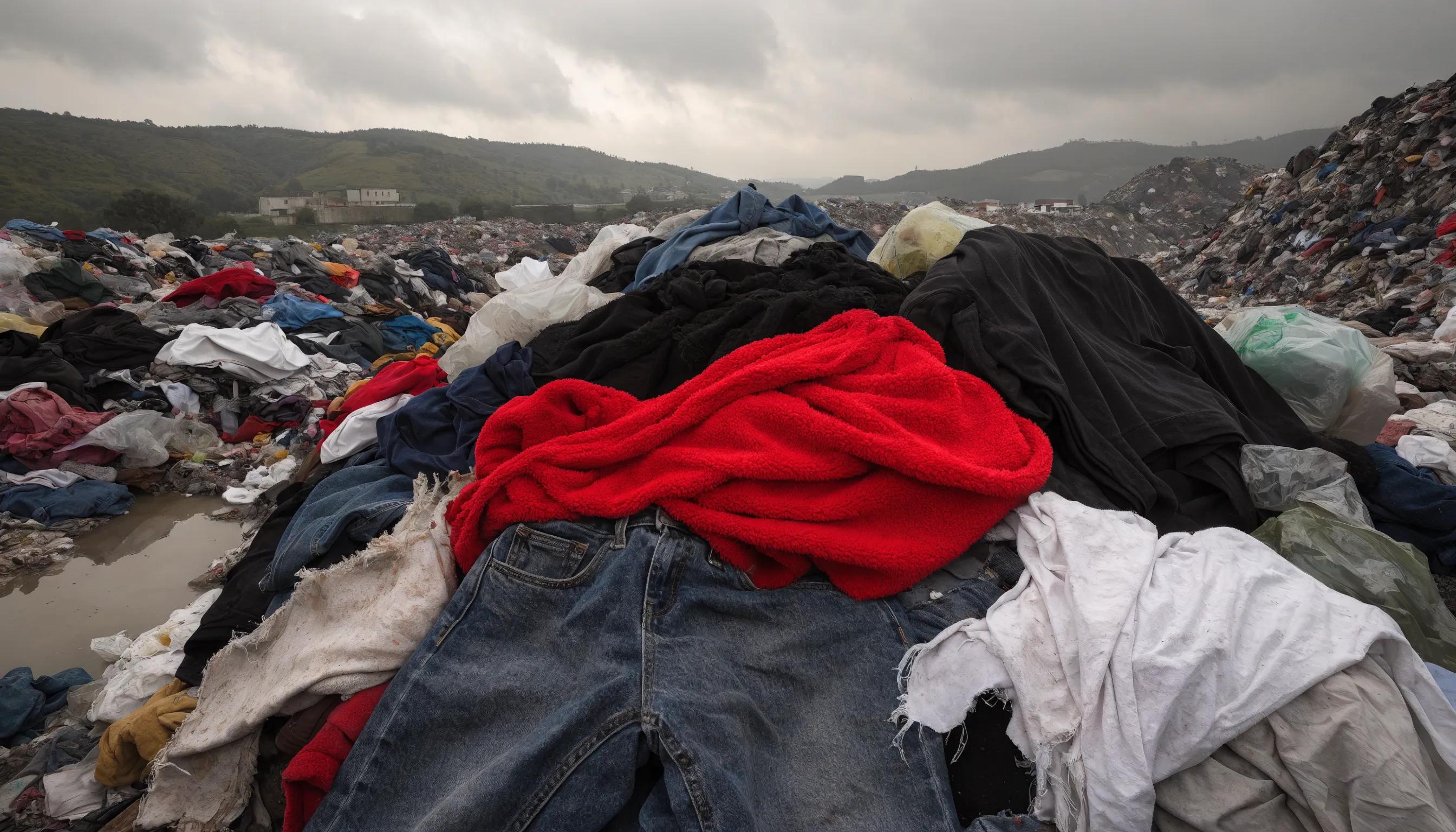
The rapid growth of conventional fashion comes with substantial environmental costs. Understanding the intricate ways these practices impact the planet is crucial for consumers seeking more sustainable options.
What Are the Key Environmental Impacts of Fast Fashion and Conventional Clothing?
Fast fashion is notorious for its overwhelming environmental footprint, largely due to its model of continuous production and rapid consumption. Notable impacts include:
-
Waste Generation: The fashion industry produces immense amounts of waste, with millions of tons of garments ending up in landfills each year, often taking decades to decompose.
-
Pollution Levels: From dyeing processes to chemical treatments, clothing manufacturing contributes significantly to air and water pollution, affecting ecosystems worldwide.
-
Resource Depletion: Conventional clothing production consumes vast amounts of natural resources, particularly water in textile manufacturing, leading to shortages in water-scarce regions.
These factors illustrate the urgent need for change within the fashion industry and the adoption of more sustainable practices.
How Does Conventional Fashion Contribute to Carbon Emissions and Textile Pollution?
The connection between conventional fashion practices and carbon emissions is critical to understanding its environmental impact. Here’s how conventional fashion contributes:
-
High Carbon Footprint: Manufacturing garments typically involves fossil fuels for energy, which generates carbon emissions. This is exacerbated by the global shipping of products.
-
Textile Pollution: Wastes from production processes often include microplastics and synthetic fibers that pollute waterways, threatening aquatic ecosystems.
-
Comparative Impact: Statistics show that the clothing sector accounts for approximately 10% of global carbon emissions, underlining the importance of sustainable alternatives.
Recognizing these negative effects forms a compelling argument for embracing sustainable fashion as a solution to mitigate damage to the environment. For a wide range of motivational apparel that aligns with these values, consider exploring the complete collections available.
What Are the Benefits of Choosing Sustainable Fashion? Eco-Friendly Textiles and Reduced Environmental Footprints
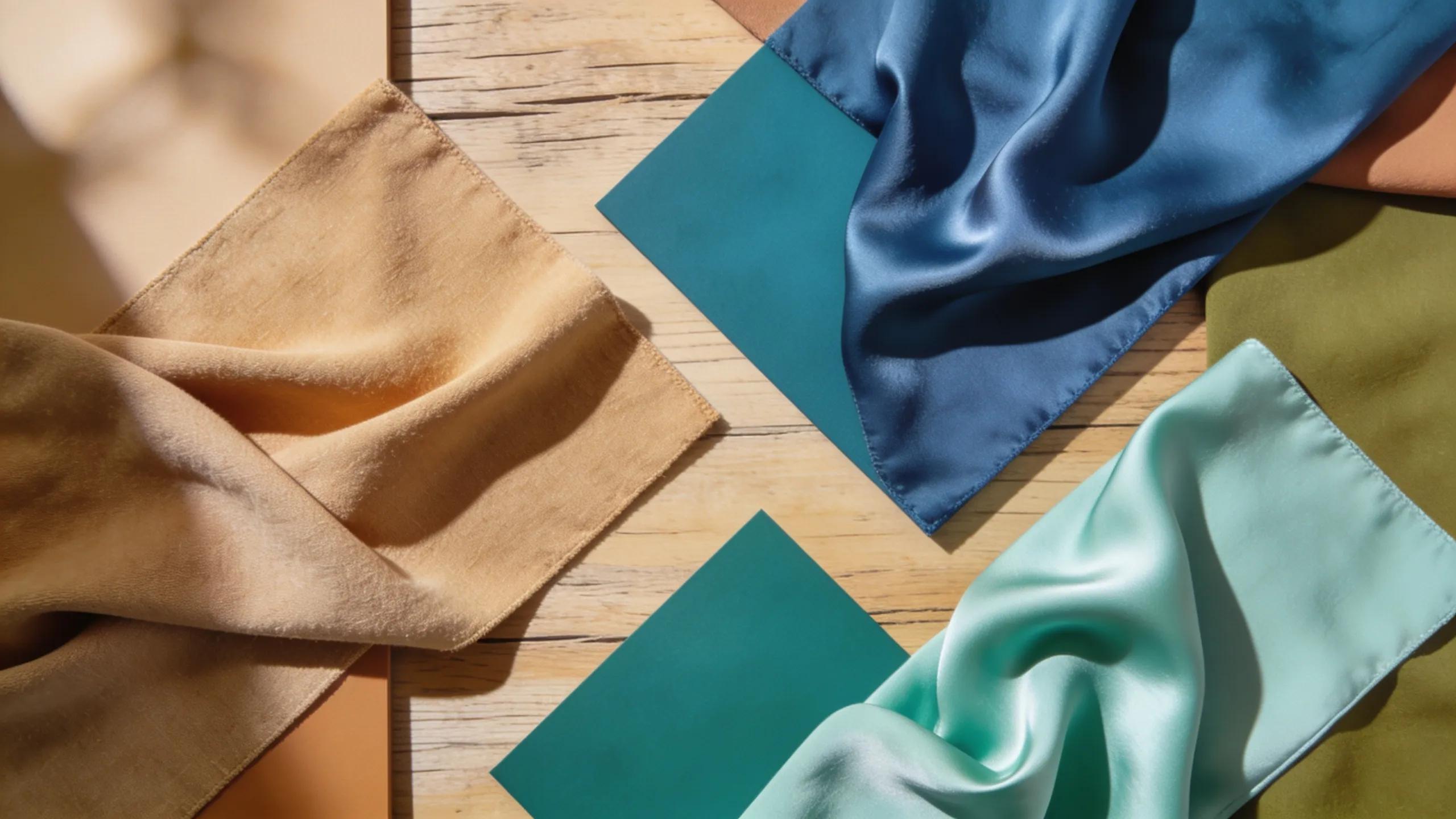
Exploring the benefits of sustainable fashion reveals how eco-friendly textiles and responsible production methods contribute positively to the environment and society. Sustainable practices serve as an antidote to many of the issues created by traditional fashion.
Which Sustainable Materials Reduce Water Use and Carbon Footprints?
Opting for sustainable materials significantly decreases water consumption and carbon emissions, making a notable difference. Key eco-friendly materials include:
-
Organic Cotton: Grown without harmful pesticides, it requires less water and contributes to soil health.
-
Recycled Polyester: Utilizes plastic waste in its production, reducing resource demand and landfill contributions.
-
Tencel: Produced from sustainably sourced wood pulp, Tencel is biodegradable and requires significantly less water compared to conventional cotton.
These materials underscore how choosing the right textiles provides an opportunity to advocate for environmental responsibility.
How Does Sustainable Clothing Support Waste Reduction and Ethical Production?
Sustainable clothing promotes waste reduction through thoughtful production processes designed to lessen environmental impacts. By encouraging ethical manufacturing practices, it also fosters social responsibility within the industry.
Sustainable brands often prioritize:
-
Recycling and Upcycling: Transforming old garments into new products minimizes textile waste.
-
Ethical Labor Practices: Ensuring fair wages and good working conditions helps combat exploitation in the fashion supply chain.
-
Transparency in Production: Sustainable brands frequently provide information about sourcing and production methods, allowing consumers to make informed choices.
This commitment to ethical practices not only benefits the environment but also builds a more equitable fashion industry.
How Does Catch Phrase Poet Embody Sustainability with Motivational Apparel?
Catch Phrase Poet exemplifies the intersection of sustainability and creativity in the fashion industry. Their emphasis on unique, bold, and motivational catchphrase designs on clothing seeks to resonate with consumers' values.
What Sustainable Fabrics Does Catch Phrase Poet Use in Their Apparel and Accessories?
Catch Phrase Poet employs a variety of sustainable fabrics to create their apparel, including:
-
Organic Cotton: Prioritizing pesticide-free cultivation that is safer for the environment.
-
Recycled Fibers: Reducing the need for new resources while minimizing waste.
-
Eco-Friendly Inks: Using low-impact inks for printing designs, enhancing sustainability efforts.
These fabric choices reflect a commitment to both quality and environmental consciousness, encouraging consumers to consider the sustainability of their clothing selections. Their artistic designs further highlight this blend of style and sustainability.
How Do Motivational Catchphrases Empower Individual Expression While Supporting Eco-Friendly Fashion?
The brand's focus on motivational catchphrases enables consumers to express their individuality while supporting sustainable practices. By wearing messages that promote positivity and activism, individuals become part of a larger movement towards environmental awareness and sustainability.
Choosing apparel that not only looks good but also reflects personal values aligns consumer behavior with a global goal of reducing ecological impact. Readers interested in specific apparel types can explore the women's items or kids clothes available from Catch Phrase Poet.
How Can Consumers Choose Eco-Friendly Motivation Apparel? A Practical Guide to Sustainable Fashion Benefits
Making informed choices about sustainable fashion can feel daunting, but consumers can simplify the process by focusing on core principles of eco-friendly apparel.
What Should You Look for When Selecting Sustainable Clothing?
When shopping for sustainable fashion, keep an eye out for:
-
Certifications: Look for labels indicating organic or fair-trade certifications to ensure ethical practices.
-
Material Composition: Choose garments made from sustainable fabrics, such as organic cotton or recycled materials.
-
Brand Transparency: Research brands that openly share their production processes and environmental impact assessments.
These elements help consumers identify clothing that aligns with their values while minimizing their environmental footprint.
How Can Wearing Sustainable Apparel Reduce Your Personal Carbon Footprint?
Adopting sustainable apparel habits contributes to a lower personal carbon footprint in several ways:
-
Reduced Demand for Fast Fashion: Choosing sustainable options limits the perpetuation of eco-harmful fashion cycles.
-
Encouragement of Eco-Friendly Practices: Supporting sustainable brands promotes an industry shift towards better practices.
-
Longer Lifespan of Clothing: Durable sustainable clothing means fewer purchases and reduced waste, enhancing ecological balance.
By understanding these impacts, individuals can take meaningful steps toward sustainability through their fashion choices.
What Are Common Questions About the Environmental Impact of Fashion? Answering Your Most Pressing Queries
As consumers become more aware of the environmental impacts of fashion, numerous questions arise related to both conventional and sustainable practices.
What Is the Carbon Footprint of Clothing and How Is It Measured?
The carbon footprint of clothing refers to the total greenhouse gas emissions produced throughout its lifecycle. This includes everything from material creation, manufacturing processes, and transportation to end-of-life disposal. Standard measures often focus on emissions expressed in CO2 equivalent units, facilitating comparisons across different materials and manufacturing practices.
Why Is Conventional Fashion Harmful to the Planet Compared to Sustainable Options?
Conventional fashion is harmful primarily due to its reliance on resource-intensive processes, significant waste generation, and pollution. By contrast, sustainable alternatives focus on minimizing these negative impacts through responsible sourcing, ethical labor practices, and transparent production methods. This fundamental difference highlights the urgent need for a shift towards more sustainable practices within the fashion industry.