From Vintage to Modern: Exploring the Evolution of Graphic T-Shirt Design and Trends
Graphic t-shirts are a form of wearable communication that combine apparel, graphic design, and cultural context to convey messages, identities, and aesthetics across eras. This article traces the t-shirt design evolution from early printed promotional shirts and band merchandising through vintage screen-printed textures to contemporary digital art and print-on-demand customization, giving readers the context they need to choose and style tees with confidence. Understanding this timeline helps collectors, style-minded shoppers, and creators recognize authentic vintage markers, evaluate modern production methods, and select garments that match values like sustainability and artistic originality.
The guide maps key historical moments, decade-specific visual languages, major modern trends, sociocultural roles, printing technique differences, and practical styling and buying checklists.
What is the history and origin of graphic t-shirt design?
Graphic t-shirt history began as a practical medium for promotion and novelty, evolving into a platform for band merch, political messaging, and mass fashion through advances in printing and distribution. Early uses were advertising and novelty prints where simple screen-printing techniques created bold, single-color graphics that advertised brands, events, or slogans; these functional origins gave rise to expressive uses like protest and fandom apparel. As printing became cheaper and band merchandising scaled, shirts morphed into identity markers that fans and movements used to signal affiliation, turning tees into cultural artifacts as much as clothing. The result is a lineage where technique, message, and material combine—so collectors and designers can read a shirt's era from its ink, typography, and fabric choices. As cultural historians often note, this evolution reflects broader societal shifts.
Catch Phrase Poet draws on these historical influences in its artist-driven approach, acknowledging that many contemporary designs reinterpret vintage signifiers—hand-lettering, distressed textures, and iconic iconography—while offering modern production options. The brand sells tee shirts, hoodies and sweatshirts in unisex fits and emphasizes original, inspired artwork that channels retro aesthetics without compromising current print quality.
How did early graphic tees influence fashion and culture?
Early graphic tees influenced fashion and culture by democratizing visible messaging: shirts moved ideas from posters and flyers onto everyday bodies, making statements portable and immediate. Band tees and protest shirts turned clothing into badges of identity, letting wearers display affiliations, tastes, and beliefs in a single glance; this mechanism tied music, activism, and fashion closely together. As a result, what began as promotional apparel became a primary medium for youth subcultures, with garments signaling belonging to scenes from rock fans to political movements.
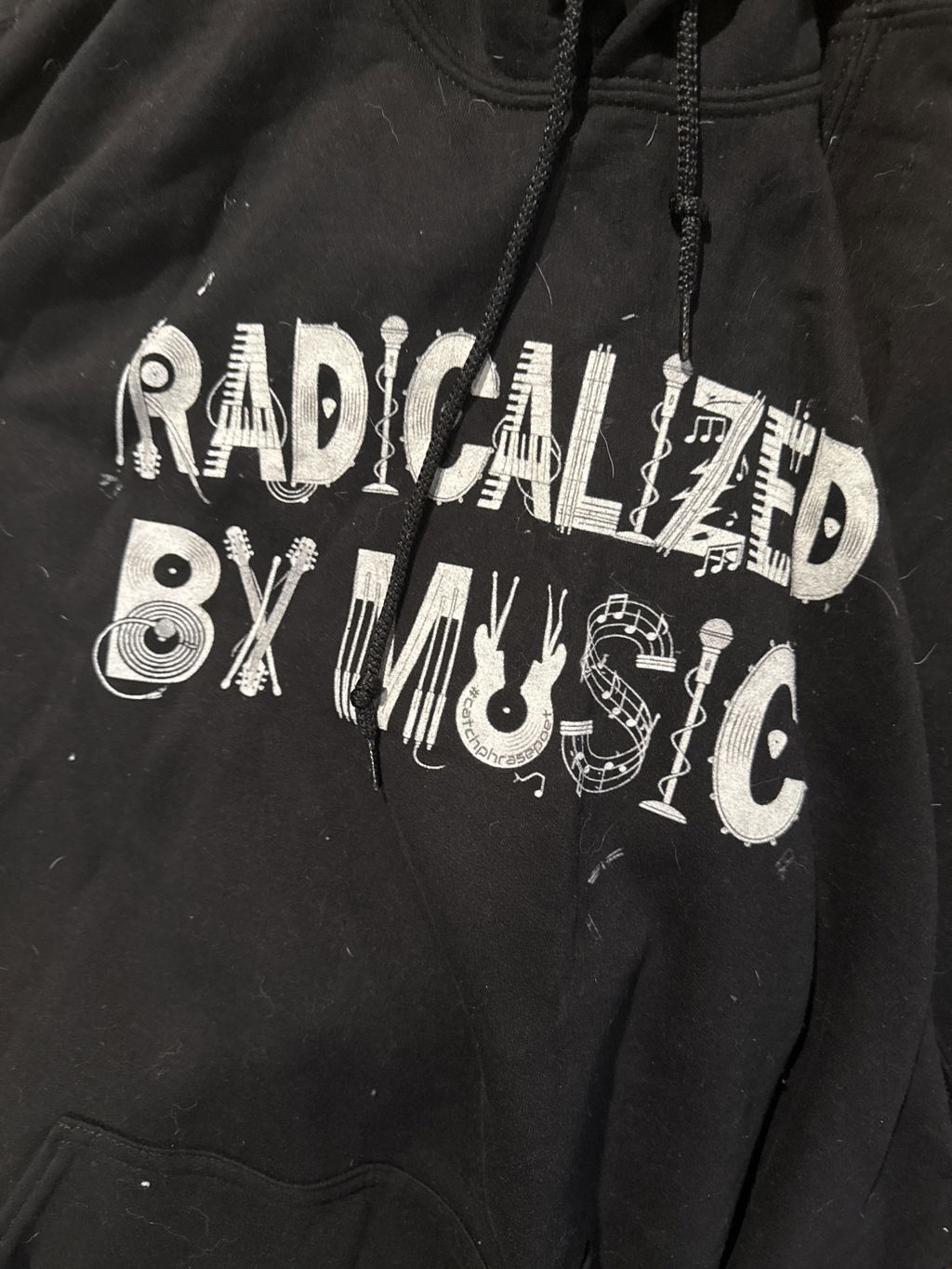
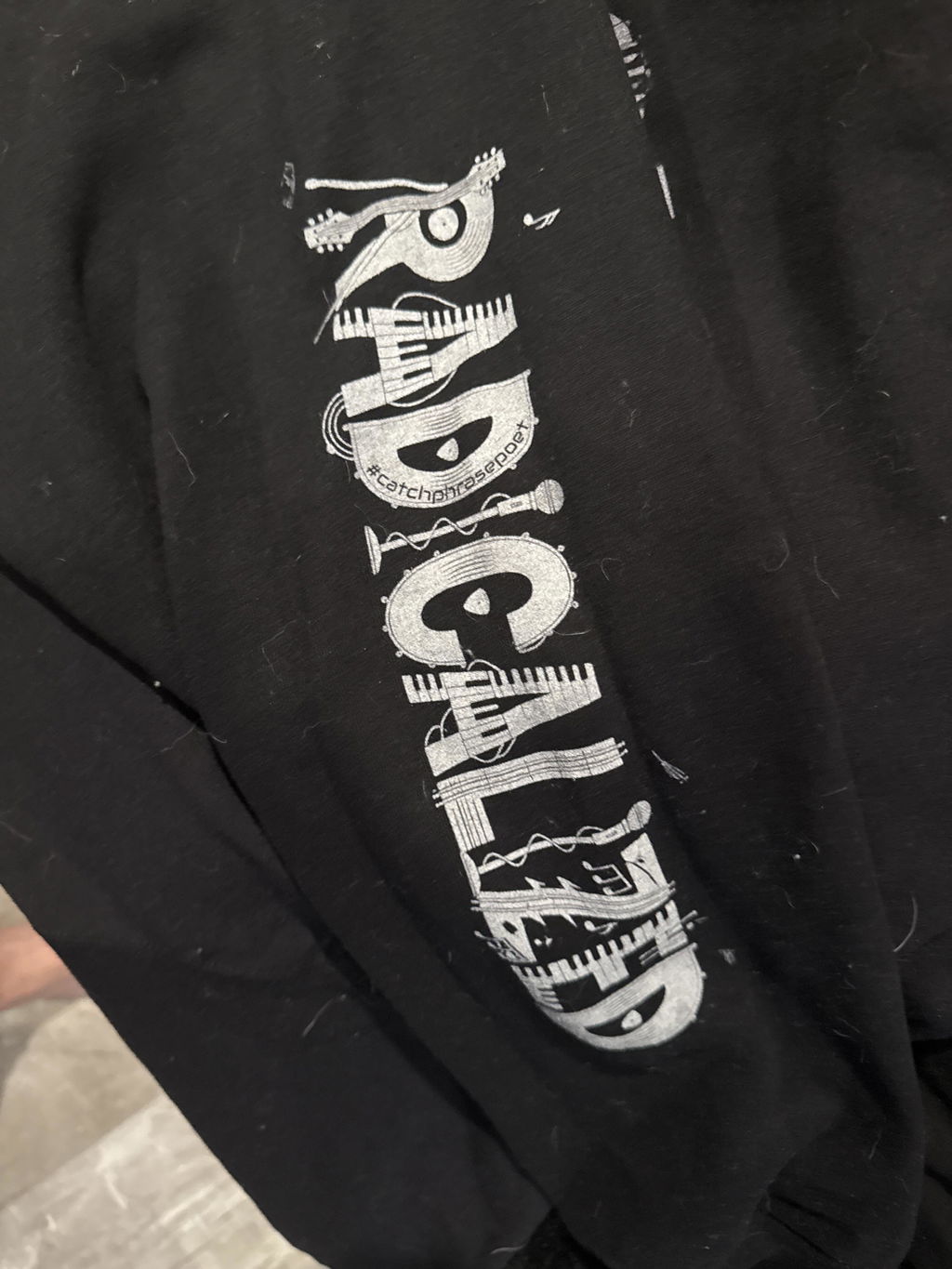
That lineage runs straight into the present. Our Radicalized by Music tee is built directly on the band-tee tradition—grunge typography, concert-poster energy—for people whose taste in music genuinely shaped who they became.
What were the key design elements in vintage t-shirt styles?
Vintage graphic tees typically show a limited-color palette, bold typography, and tactile ink textures created by screen printing constraints and fabric aging, resulting in a worn, lived-in look. Common design elements include hand-lettered script, slab or block type, halftone shading, simple mascots or logos, and intentional distressing that reads as authenticity. The limited ink separations forced designers to prioritize contrast and silhouette, producing logos and motifs that remain readable from a distance and age gracefully, a principle still taught by design professionals. Contemporary designers mimic these attributes to evoke nostalgia, but discerning buyers check ink layering, registration marks, and fabric weight to tell reproductions from true vintage pieces, a practice often informed by insights from fashion museum archives.
You can see that vocabulary at work in pieces like the Vintage Trustafarian tee and the Say Less. Mean More. retro tee—warm, aged print treatments and restrained type that borrow the era's discipline rather than just its filter.
How did vintage eras shape graphic t-shirt art styles?
Vintage eras each contributed distinct graphic languages to t-shirt art, with the 1970s favoring psychedelic swirls and festival iconography, the 1980s embracing neon colors and bold logos tied to pop culture, and the 1990s pushing grunge textures and streetwear minimalism. These era-specific aesthetics emerged from broader cultural forces—music scenes, technology, and retail systems—that shaped how graphics were conceived and reproduced. By mapping era attributes, designers and collectors can identify visual cues like color saturation, type treatments, and iconography to place a shirt in context.
Era
Design Attributes
Example Visual Elements
1970s
Psychedelic color palettes, flowing compositions
Swirls, gradients, peace symbols, festival posters
1980s
Bold, logo-driven graphics, neon palettes
Blocky logos, neon halftones, MTV-style layouts
1990s
Distressed textures, grunge and streetwear cues
Faded prints, muted palettes, band silhouettes
What defined 1970s psychedelic and counterculture graphic tees?
The 1970s produced psychedelic tees that used swirling motifs, high-contrast color combinations, and hand-drawn lettering tied to music festival culture and political activism. Mechanically, limited separations in screen printing and the desire for eye-catching stage imagery encouraged radial compositions and kaleidoscopic forms, while festival posters and underground presses informed shirt layouts. Culturally, the tee reinforced countercultural identity at concerts and gatherings, turning garments into souvenirs and statements simultaneously.
The peace symbol is the era's most enduring export. Our Amplify Peace tee carries that lineage forward—same symbol, same conviction, printed on cotton that will outlast the argument.
How did 1980s pop culture and music impact t-shirt designs?
The 1980s amplified logo-centric graphics and bright color schemes as mass retail and music television popularized branded imagery and celebrity-driven merch. Advances in retail distribution and licensing allowed bands and movies to reach broader audiences, making tees an accessible form of fandom and advertising simultaneously. Visually, designers leaned into geometric shapes, heavy outlines, and high-contrast palettes that read well under mass production. These developments shifted t-shirts from grassroots statements to mainstream fashion elements, a change that underpins many retro revival trends today—including checkerboard motifs, which you'll still find on our Checkered optical illusion tee.
What are the major trends in modern graphic tee design?
Modern graphic tee design centers on three major trends: digital art and print-on-demand customization, sustainability and ethical materials, and nostalgia-driven revivals that reinterpret retro motifs for contemporary audiences. Digital art and DTG workflows enable photo-real prints and complex color gradients, offering designers greater creative freedom and consumers more personalization. Sustainability trends prioritize organic and recycled fabrics as well as production models that reduce overstock, while nostalgia keeps vintage typography and distressed aesthetics in circulation.
Digital art and print-on-demand: Faster custom runs and unlimited color depth transform design possibilities.
Sustainability and materials: Organic cotton and recycled fibers reduce environmental impact and appeal to eco-conscious buyers.
Nostalgia and reissues: Retro typography and distressed finishes satisfy emotional connections to past decades.
How do digital art and print-on-demand innovate t-shirt design?
Digital art combined with print-on-demand and direct-to-garment production allows artists to print complex, multi-color images on single garments without large minimum orders, changing both economics and aesthetics. The mechanism is simple: designers upload high-resolution artwork, and DTG printers apply water-based inks directly to fabric, enabling photo-real imagery and fine gradients that were impractical in traditional screen printing. The result benefits small-batch creators and buyers seeking unique pieces, reducing inventory risk and encouraging artistic experimentation.
Digital Textile Printing: Innovation, Flexibility & Sustainability
Digital textile printing has transformed the industry by providing an environmentally friendly alternative to traditional dyeing and printing methods, which were labor-intensive, used hazardous chemicals, and caused water pollution. Digital printing eliminates harmful chemical discharge, reduces waste, and offers faster processing with more design flexibility. This technology supports sustainable practices and creates opportunities for designers and markets.
Digital Printing and Applications in the Textiles, JS Hada, 2025
Catch Phrase Poet exemplifies this shift by blending artist-driven designs with print-on-demand fulfillment, offering unisex tees and hoodies and sweatshirts produced per order.
What role does sustainability play in contemporary graphic tees?
Sustainability influences material choices, printing methods, and logistical decisions, with buyers and brands prioritizing organic fibers, recycled blends, and production models that minimize waste. Print-on-demand reduces overproduction—a primary environmental cost—by printing per order, while newer inks and water-saving pretreatments decrease chemical footprints. Consumers should look for transparent sourcing, certifications, and fabric content as indicators of sustainable practice, and prioritize care instructions that extend garment life. If you want to go deeper on the material itself, our guide to the science of soft cotton breaks down ring-spun, combed, and organic cotton and how fabric choice affects comfort and print longevity.
How do graphic t-shirts express self-identity and cultural messages?
Graphic t-shirts operate as wearable statements that combine visual design and text to communicate beliefs, affiliations, humor, and identity; they translate cultural signals into everyday fashion. Choices in typography, iconography, and placement influence message clarity and audience perception. This expressive function allows tees to act as affirmation tools, community markers, and artistic canvases, serving both utility and symbolism in social contexts.
Identity signaling through band or fandom graphics.
Political and social messaging via slogans and protest imagery.
Personal affirmation using typographic statements and uplifting art.
In what ways do graphic tees serve as wearable art and affirmation?
Graphic tees act as wearable art when designers prioritize composition, symbolism, and craft, creating pieces that function like small-format posters on fabric; affirmation tees combine positive messaging with clear graphic cues to reinforce mood and identity. Mechanically, placement, scale, and type treatment optimize legibility and emotional impact, allowing short phrases or icons to function as psychological cues for both wearer and viewer. The benefit is twofold: wearers receive an internal affirmation while participating in a visible, social form of expression.
How have streetwear and urban styles influenced graphic tee culture?
Streetwear and urban aesthetics brought limited drops, artist collaborations, oversized silhouettes, and logo-driven exclusivity into mainstream tee culture, altering both design and consumption patterns. Limited releases and artist collabs create scarcity and cultural capital that elevate simple graphics into sought-after items. As streetwear experts often highlight, oversized fits and bold, central graphics reflect urban preferences for statement pieces, while collaborations between designers and musicians bridge creative communities. These shifts encourage brands to think like cultural curators as much as apparel producers, a dynamic frequently covered by fashion authorities and streetwear insiders.
What printing techniques have evolved in graphic t-shirt production?
Printing techniques evolved from early screen printing—valued for durability and bold color—to direct-to-garment (DTG) and heat-based methods that enable complex imagery and shorter runs. Each method changes the aesthetic outcome: screen printing excels at saturated solids and layered inks, while DTG produces photographic detail with soft hand feel, and heat transfer suits small runs and specialty substrates.
Printing Method
Key Characteristic
Durability / Cost / Best Use
Screen Printing
Layered ink deposition, bold solids
High durability, lower cost for large runs; best for limited-color graphics
Direct-to-Garment (DTG)
Photo-real printing, unlimited colors
Good color fidelity for small runs; moderate durability with proper pretreatment
Heat Transfer
Versatile application, specialty finishes
Low setup cost for small batches; variable durability depending on transfer type
How did screen printing shape vintage graphic tee aesthetics?
Screen printing shaped vintage aesthetics through technical constraints—color separations, registration limits, and ink opacity—that produced bold silhouettes, limited palettes, and textured prints that aged gracefully. Screen printing deposits ink in layers, which creates a slight relief and a tactile quality that becomes more pronounced with use and laundering. Collectors often read these features as authenticity markers: crisp halftones, slight misregistration, and ink hand feel signal traditional screen-print origins.
What are the benefits of direct-to-garment and modern printing methods?
Direct-to-garment offers high detail, unlimited color ranges, and economical small-batch production, letting designers print complex illustrations and photographic art without costly screens. DTG's mechanism—inkjet-style deposition of water-based inks onto pretreated fabric—enables gradients and fine detail that were previously impractical on cotton. Tradeoffs include potential variability in washfastness and higher per-unit cost for large runs, which makes DTG ideal for customization and limited series rather than mass inventory.
How can you style and choose graphic t-shirts from vintage to modern?
Choosing and styling graphic tees depends on desired effect—authentic vintage patina or crisp modern art—and involves checking material, print method, and fit to match personal style. A practical buyer checklist focuses attention on fabric content, print technique, fit, and care instructions so shoppers can predict longevity and look. For a full breakdown of how fabric affects feel and durability, see our companion guide on the science of soft cotton.
What are tips for integrating vintage graphic tees into modern wardrobes?
Integrating vintage tees involves balancing silhouette, contrast, and condition: pair a soft, worn tee with structured bottoms or outerwear to modernize the look without erasing its character. Start by assessing fit and fabric—vintage cotton often has relaxed drape—and choose complementary proportions, such as high-waisted jeans or tailored blazers, to keep outfits intentional. Care is crucial: gentle laundering and occasional restoration preserve prints.
Layer a vintage tee under a blazer for contrast.
Tuck or half-tuck to refine proportions.
Use neutral footwear to anchor colorful vintage graphics.
Pair an oversized graphic with relaxed bottoms—cargos, joggers, or straight-leg denim—for the streetwear proportion.
How to select graphic tees that reflect personal style and values?
Selecting tees that reflect personal values starts with message clarity: decide whether the shirt's graphic signals humor, fandom, activism, or affirmation, then match artwork style and fit to the intended audience and context. Material choices and production methods like print-on-demand affect sustainability and longevity, aligning purchases with ethical preferences. Finally, check care instructions and expected colorfastness to ensure the tee maintains its intended look over time.
A short buying checklist summarizes essential selection criteria:
Fabric content and weight to predict durability and drape.
Print method to assess detail and longevity.
Fit and scale relative to wardrobe preferences.
Brand values and production model (e.g., per-order printing vs. mass stock).
That last point matters more than it sounds. Every order here sends a dollar to Rose Haven, a day shelter in Portland for women, children, and marginalized folks experiencing homelessness. It's the reason this store exists.
Culture kept drawing this animal because language kept failing to hold the same weight. Guardian. Omen. Beauty with a body count of warnings. A pale coat that looks like winter learned to hunt.
The best birthday gift for a woman who has everything is something that says something. Here are 14 pieces of clothing with messages that actually land — for every type of woman in your life.
Eight outfit ideas for 2026 built around a statement tee — from classic dark denim looks to festival crops, smart casual blazer pairings, and monochrome all-black fits.
Freedom Graphic Tee: Unisex Tattoo Art T-Shirt Jade Whitaker
Freedom Graphic Tee: Unisex Tattoo Art T-Shirt
I’ve always liked tattoo-style artwork, so this shirt was an easy choice for me. The graphic has a bold look without being too much, and it gives my usual casual outfits more personality.
Thank you! We’re glad the artwork was your style.
A
Tiago Graffiti Zip Hoodie Avery Collins
Tiago Graffiti Zip Hoodie
I liked this hoodie the second I saw the design. The graffiti artwork gives it a lot of personality, and it’s the kind of piece that makes a simple jeans-and-sneakers outfit look much better.
Thank you! We’re glad the graffiti style stood out to you.
M
Chronic Art Unisex Tee: Retro Graphic Cotton T-Shirt Milo Anderson
Chronic Art Unisex Tee: Retro Graphic Cotton T-Shirt
The retro artwork is what caught my attention. It has that worn-in graphic look that goes really well with jeans and sneakers. I’ve already worn it a few times since getting it.
Thanks! We’re glad you’re enjoying the retro style.
Respect the Past Be Present T-Shirt — Inspirational Graphic Tee
I bought this because the message felt meaningful to me. It’s simple, but I like wearing something that reminds me to appreciate where I came from while still focusing on what’s ahead.
Thank you! We’re happy the message connected with you.