How to Start a Print-On-Demand T-Shirt Business: Complete 2025 Guide for Artistic Apparel Entrepreneurs
Starting an artistic print-on-demand (POD) t-shirt business means combining original creative work with on-demand manufacturing and e-commerce to sell custom apparel with low upfront cost. This guide teaches artists and creative entrepreneurs how to define a niche, prepare print-ready designs, choose platforms, build a conversion-focused storefront, market original apparel, and scale sustainably. Many creators struggle with choosing the right printing partner, ensuring consistent print quality, and turning designs into repeatable best-sellers; this guide offers step-by-step solutions and practical checks to avoid those pitfalls. You will find an industry snapshot and growth rationale, a numbered launch checklist, tool and platform comparisons, quality-control and IP safeguards, and a brand spotlight showing how an artistic POD business can look in practice. Read on for actionable steps, comparison tables, and lists you can use immediately to start a unique graphic tee business or evolve an existing creative shop.
Why Start an Artistic Print-On-Demand T-Shirt Business in 2025?
An artistic print-on-demand t-shirt business combines creative expression with e-commerce logistics so artists can monetize designs without inventory risk; the POD mechanism routes orders to manufacturers who print and ship per order, making it scalable and cost-efficient. This model benefits artists by reducing upfront investment and enabling quick design iteration based on real customer feedback, which accelerates product-market fit. Current consumer trends—demand for personalization, storytelling-driven brands, and eco-conscious purchasing—further increase demand for artistic tees that convey meaning. Understanding these dynamics helps prioritize niche selection and marketing tactics that connect directly with buyers and improve conversion rates.
Print-on-demand presents concrete advantages for creators in 2025:
Low upfront cost: start without buying bulk inventory and test designs with minimal financial risk.
Rapid iteration: collect purchase and engagement data to refine art, colorways, and messaging.
Global fulfillment: on-demand printing enables worldwide shipping with localized production partners.
Story-driven value: customers pay a premium for apparel with authentic narratives or unique art.
These benefits point directly to practical actions for artists, such as testing limited drops and using storytelling in product pages to drive loyalty.
What Are the Market Trends and Growth Opportunities for Custom T-Shirts?
Custom t-shirts sit at the intersection of fashion and personalization; as a hypernym, print-on-demand and custom apparel are expanding with noticeable CAGR driven by online retail growth and niche-first branding. Recent market signals show increasing consumer spend on personalized and artist-led clothing lines, with particular strength in categories like pet-themed apparel, kids' artistic clothing, and inspirational graphic tees. Personalization, sustainability, and short-run production are core trends that create openings for creators to introduce limited-edition collections and seasonal drops. Artists who align designs with micro-communities—fans of specific aesthetics, hobbies, or causes—can capture higher lifetime value and deeper brand affinity.
Opportunities to consider include:
Launching themed drops for micro-communities to generate urgency and higher margins.
Offering matching family or kids' artist apparel to expand average order value.
Designing pet- or emotion-inspired series that tap into shareable social content.
These trends feed directly into how you validate niches and design collections for traction.
How Does Catch Phrase Poet’s Unique Artistic Approach Benefit Your Business?
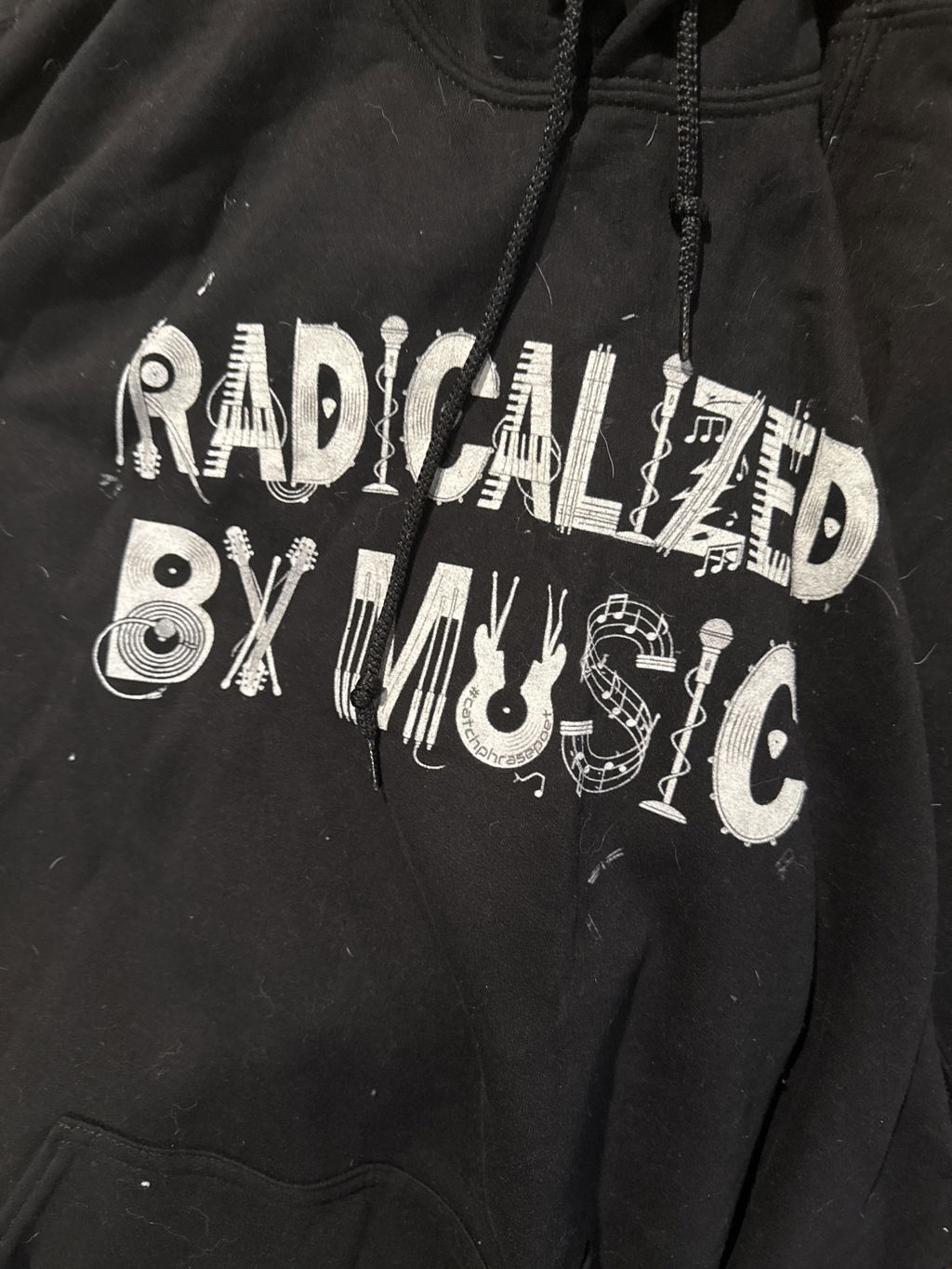
Catch Phrase Poet exemplifies an artistic POD model where unique, emotionally resonant designs and made-to-order fulfillment create a clear seller positioning in a crowded market. Their product mix—t-shirts, sweatshirts, hoodies, jackets, tote bags, ceramic mugs, and kids' clothing—illustrates how diversified SKUs can serve gifting, self-expression, and family-focused use cases while remaining true to an artistic voice. The brand’s emphasis on meaningful quotes, family and pet themes, and worldwide shipping shows a practical approach to building community and broadening market reach without large inventory risk. Artists can emulate this approach by developing collections that tell stories, support gifting moments, and expand product types strategically rather than all at once.
Seeing a real-world example like Catch Phrase Poet clarifies how brand UVPs—unique designs, high-quality POD products, made-to-order fulfillment, gifting value, and global reach—translate into product descriptions, collection themes, and promotional tactics that increase perceived value and sales.
What Are the Essential Steps to Launch Your Artistic Print-On-Demand T-Shirt Business?
Launching an artistic POD t-shirt business follows a clear sequence from niche selection to growth; each step maps to decisions that shape branding, operations, and profitability. The mechanism is iterative: define a niche, create print-ready art, choose a POD partner, set up a storefront, launch marketing, and measure to scale. This ordered approach reduces risk and focuses resources where they produce measurable impact. Below is a concise, numbered how-to list designed to be used as an operational checklist for first launches.
Define your artistic niche and customer persona with targeted research and social listening.
Design and prepare print-ready files following industry specs for color, resolution, and format.
Choose a POD partner and test samples to confirm print quality and fulfillment timelines.
Build a conversion-focused storefront with clear product pages, size guides, and storytelling.
Launch with targeted marketing—social content, micro-influencers, and email funnels—and iterate.
Scale by expanding SKUs, testing paid acquisition, and pursuing collaborations.
Use this checklist as a living plan: test each step with low-cost experiments and refine based on data and customer feedback.
How Do You Define and Validate Your Artistic Niche?
Defining and validating a niche starts by mapping the intersection of your strongest artistic themes and a reachable audience; the definition should state who the design speaks to and why they will buy it. Validation mechanisms include competitor scans, social listening to assess engagement, and micro-testing with small ad spends or pre-order campaigns that measure interest. Examples of niches include quote-driven inspirational tees, pet-themed artistic illustrations, abstract art lines for home-and-garden shoppers, and kids' playful graphic collections.
Key validation metrics to watch are click-through rate on ads, conversion rate on pre-orders, email sign-ups, and social engagement rates.
Begin with small, low-cost tests such as posting design mockups to niche-specific communities or running a handful of promoted posts to see which themes attract both likes and click-throughs; these early signals reduce the risk of large upfront design investments and guide the first collection.
How Can You Create Unique and Compelling T-Shirt Designs?
Creating compelling apparel designs requires blending creative concept, technical file preparation, and practical testing; start with a clear visual idea, consider scale and readability on fabric, and finalize files in appropriate formats. For print fidelity, prepare designs in high resolution (300 DPI recommended for raster when required), use vector formats (SVG/EPS) for crisp line art, and maintain transparent backgrounds where needed. Color management matters: design in the correct color profile and create mockups to check contrast and legibility on different garment colors. Finally, test designs via mockups, order physical samples, and adjust artwork for bleed, placement, and fabric behavior.
Working with freelancers or collaborators can augment your capabilities; provide clear creative briefs, reference mockups, and set acceptance criteria for print placement and color accuracy to ensure final products match your vision.
Which Print-On-Demand Platforms Are Best for Artists?
Choosing a POD platform depends on priorities like print quality, color fidelity, product selection, and Shopify integration; the right partner aligns with your design needs and target markets. Artists should prioritize platforms with realistic mockup generation, reliable color matching, and a native or third-party integration with their chosen storefront. Compare platforms across print quality, available apparel types (e.g., unisex hoodies, kids' clothing), fulfillment locations for global shipping, and pricing structure that affects margins.
In practice, test-print with 2–3 platforms for the same design to compare color fidelity and fabric hand; these sample orders reveal real differences that mockups can’t fully capture. Catch Phrase Poet’s artistic approach shows how a brand can prioritize unique designs and made-to-order production while selecting partners that support global shipping and quality standards.
Despite the advantages of DTG printing for sustainability and customization, ensuring consistent quality, especially on challenging fabrics and colors, remains a critical area of focus for artists.
Enhancing DTG Print Quality for On-Demand Apparel
Direct to garment printing is expanding its presence on the textile market today due to the markets search for sustainability, print on demand, fast response, mass customization and inventory reduction. While this type of printing in terms of quality may be enough for the promotional market, brands are still struggling with both quality and performance of the DTG prints on natural fibers, especially on dark colors. This paper is focused on research of print quality of the digital DTG (Direct to Garment) printing based on the fabric hairiness and pretreatment level, which are the main obstacles for quality and sustainable printing.
Effect of fabric hairiness and pretreatment on quality of digital DTG (Direct to Garment) printing, 2019
Below is a concise EAV comparison tailored for artist needs:
POD Platform
Key Attribute
Value
Printful
Print quality and mockup realism
High-fidelity DTG and strong mockup tools; broad product catalog
Printify
Product range and pricing
Wide supplier network with budget variants and competitive base costs
Gelato
Global fulfillment reach
Localized production in multiple regions for faster international shipping
This table demonstrates how platform selection trades off between quality, cost, and global reach; artists aiming for premium prints may favor providers with higher fidelity while those targeting margin-sensitive markets may balance cost and quality.
How Do You Build and Optimize Your Online Storefront?
A high-converting storefront communicates the artistic story and reduces buyer uncertainty through clear visuals, detailed product descriptions, and robust sizing information; product pages should define the artwork’s inspiration, material details, and washing instructions. Use strong lifestyle photography and clean mockups that show scale on real bodies, and include a size chart and fit notes to reduce returns.
Optimize product pages for search by weaving target keywords into titles and descriptions without keyword stuffing, and use semantic triples to make entity relationships clear (e.g., "Artist → designs → limited-edition tees"). Pricing strategy should reflect the perceived artistic value—consider tiered pricing for standard vs. premium fabric or limited-run designs.
Continuously run A/B tests on product page layouts, call-to-action text, and gallery order to find combinations that improve add-to-cart and checkout completion, and use customer feedback to refine copy and images.
What Marketing Strategies Effectively Promote Your Unique Apparel Brand?
Marketing an artistic apparel line relies on storytelling, visual content, and community-first tactics; short-form video and lifestyle imagery build discovery, while email funnels drive repeat purchases. Social platforms like Instagram and TikTok reward visual narratives—post behind-the-scenes content showing sketch-to-shirt workflows, and create short clips that highlight fabric, print detail, and wearability. Collaborations with micro-influencers in niche communities expand reach cost-effectively, while limited drops and email-only previews create scarcity that converts engaged subscribers. Paid social can amplify winners once organic signals prove demand; allocate a test budget to verify creative and audience fit before scaling.
Key marketing tactics include:
Story-driven short-form video showcasing design process and product use.
Micro-influencer partnerships with targeted audiences for authentic reach.
Email sequences for nurturing, launch announcements, and scarcity-driven drops.
Measure performance using engagement rate, conversion rate, and customer acquisition cost to decide when to scale paid channels versus doubling down on organic community efforts.
How Can You Scale and Grow Your Artistic POD Business Successfully?
Scaling a POD brand involves systematic product expansion, data-driven marketing investment, and strategic partnerships; use sales data to identify best-selling designs and expand colorways, product types, or coordinated items like tote bags and mugs to increase average order value. Decide when to invest in paid acquisition by evaluating return on ad spend and unit economics, and explore collaborations, licensing, and limited capsule collections to reach new customer segments. Monitor KPIs—conversion rate, repeat purchase rate, gross margin by SKU—and use A/B testing to improve listings and ad creatives.
As you scale, maintain quality control by standardizing sample checks and using fulfillment partners with consistent color fidelity; this operational rigor prevents reputation damage as volume increases.
Startup Element
Cost / Effort
Typical Time-to-Implement
Design assets and mockups
Low to moderate effort; design tools subscription or freelancer cost
1–3 weeks for initial collection
Storefront setup (Shopify)
Moderate; theme purchase and configuration
1–2 weeks for basic shop
Sample testing and quality checks
Low to moderate per-sample cost
1–3 weeks for multiple platform tests
This practical snapshot helps plan initial budgets and timelines so you can prioritize activities that unlock early revenue.
Which Tools and Resources Support Artistic Print-On-Demand Entrepreneurs?
Design, mockup, and e-commerce tools form the operational backbone of an artistic POD business; choosing tools that match your workflow—vector editing for logos, raster painting for complex art, and mockup generators for product previews—speeds production and improves final print quality. The semantic relation between tool and outcome is straightforward: design software → prepares print files → improves print fidelity. Complementary e-commerce platforms and POD integrations handle order flow and fulfillment automation, allowing artists to focus on creative output and marketing.
Below is a compact tool EAV table that helps match tools to artist needs.
Tool
Attribute
Recommendation
Adobe Illustrator
Best-for
Vector artwork, logos, and scalable print design
Procreate
Best-for
Tablet-based illustration and hand-drawn graphics
Canva / Mockup Generators
Best-for
Quick mockups and marketing assets; useful for non-designers
What Design Software and Creative Tools Enhance T-Shirt Graphics?
Choosing between raster and vector tools depends on the design type; vector editors like Illustrator excel for sharp logos and typography, while raster programs and tablet apps like Procreate are ideal for painterly textures and hand-drawn illustrations. For file prep, export vector art as high-resolution PDFs or SVGs when supported, and provide PNGs with transparent backgrounds for complex layered art. Use mockup generators to test placement and scale on multiple garment colors and body types. Learning resources—tutorials and templates—accelerate file prep and ensure printing specs like bleed and safe areas are respected.
Invest in a workflow where initial sketches are refined into production-ready files, then validated through printed samples before launching large promotions.
What E-Commerce and POD Platforms Facilitate Seamless Business Operations?
E-commerce platforms and POD services form the order-to-fulfillment pipeline; Shopify is commonly used as a storefront for its app ecosystem and native integrations with POD providers, which automate order routing and tracking. When selecting platforms, consider integration stability, shipping times, and customer support for international orders. Test order flow end-to-end: place test orders, confirm tracking, and validate returns handling so customers receive consistent experiences. Reliable integrations reduce manual order management and free time for design and marketing.
Below is a brief comparison table focused on operational attributes for artists.
Platform
Feature
Application
Shopify
Integration ecosystem
Central storefront with many POD apps
Printful/Printify
Order routing
Automated printing and fulfillment per order
Third-party apps
Analytics & email
Improve retention and conversion with built-in tools
These tools collectively reduce operational friction and let artists concentrate on creative work.
What Common Challenges Arise When Starting a Print-On-Demand T-Shirt Business and How to Overcome Them?
Common pitfalls include inconsistent print quality, fulfillment delays, sizing confusion, and intellectual property risks; each challenge demands a procedural fix to protect brand reputation and margins. The mechanism for mitigation is testing and documentation: order samples, define acceptance criteria, and create clear product pages that set expectations. Legal risks around trademarked phrases and artwork require diligence: avoid copyrighted imagery, secure licenses, and document original creation dates for your artwork. Addressing these challenges early prevents costly customer disputes and supports sustainable growth.
The rest of this section covers practical quality-control steps and IP safeguards that creative entrepreneurs should implement immediately.
How to Manage Quality Control and Fulfillment Issues?
Quality control begins with ordering samples from every POD partner and every key SKU to verify print placement, color, and fabric behavior; define acceptance criteria (color match tolerance, placement limits, seam alignment) and document any deviations. Provide accurate sizing charts and fit notes on product pages to reduce returns, and establish a clear policy for refunds, reprints, and customer communication when issues arise. Use sample photos in product listings and invite early customers to provide feedback in exchange for discounts to build real-world validation. These steps create predictable customer experiences and reduce negative reviews that slow growth.
Consistent sampling and documented standards create a scalable quality program as order volume grows.
What Are Legal and Intellectual Property Considerations for Artistic Designs?
Yes — IP considerations matter: you must ensure your designs don’t infringe on trademarks, copyrighted images, or licensed characters, because sellers are legally responsible for items they sell. Protect original artwork by documenting creation timestamps and, when appropriate, registering copyrights; avoid using trademarked phrases or imagery without a license. For collaborations, use written agreements that define rights, attribution, and revenue splits; this prevents misunderstandings and secures the right to use and reproduce designs commercially. Consult an attorney for complex licensing deals or when negotiating rights for high-value collaborations.
Taking proactive legal steps reduces the risk of takedowns, infringement claims, and costly downstream disputes.
What Is the Future Outlook for Artistic Print-On-Demand T-Shirt Businesses in 2025 and Beyond?
The future of artistic POD apparel is shaped by sustainability, personalization technologies, and advances in printing that increase color fidelity and reduce sample time; these trends will further empower small creators to compete with larger brands. Sustainability pressures favor eco-friendly fabrics and transparent sourcing, while personalization and on-demand colorways enable highly tailored customer experiences. Printing innovations, including improved direct-to-garment (DTG) and color-management tools, will narrow the gap between studio samples and large-run quality. Artists who adopt sustainable signaling and tooling early will benefit from stronger brand differentiation and customer loyalty.
Research further supports the strategic importance of sustainable and cost-effective practices in print-on-demand, highlighting benefits beyond just environmental impact.
Findings include starting with paper and emissions assessment for more eco-friendly publishing; emphasizing pre-orders, local and discounted delivery, trade organization membership, and POS systems for cost-effective delivery; limiting outsourcing to restrict supply chain disruptions; reducing print runs and promoting books more effectively to minimize returns; and utilizing print-on-demand for proof copies and gap runs.
Publishing distribution practices: New insights about eco-friendly publishing, sustainable printing and returns, and cost-effective delivery in the
US, R Noorda, 2022
How Will Sustainability and Eco-Friendly Practices Impact POD Apparel?
Sustainability will become a key differentiator as consumers reward brands that choose certified fabrics and transparent manufacturing processes; options include organic cotton blends and certifications like GOTS or OEKO-TEX that communicate legitimacy. While eco-friendly materials may increase base costs, they improve brand perception and justify premium pricing for conscientious buyers. Signal sustainability on product pages through clear materials information and care instructions, and consider offset or low-waste packaging to round out the customer experience.
Selecting sustainable options strategically—starting with core SKUs—balances cost and brand impact, helping artistic brands align values with customer expectations.
What Innovations Are Shaping the Artistic POD Market?
Emerging innovations—improved DTG print heads, AI-assisted mockup and design tools, and automated order routing—are lowering technical barriers and accelerating time-to-market for artists. AI can speed mockup generation and propose color palettes that maintain brand cohesion, while faster global fulfillment networks reduce shipping times and returns. These innovations change how artists test ideas, iterate designs, and scale operations, enabling more frequent drops and localized production that reduces carbon footprint.
Adopting select innovations that match your workflow increases creative throughput and shortens feedback loops between design and customer response.
How Can You Start Your Creative Journey with Catch Phrase Poet?
Catch Phrase Poet offers a practical example of an artist-forward POD brand that embodies the guide’s recommendations with a product mix and community orientation that artists can study and emulate. The brand emphasizes unique, inspired designs across apparel and accessories, using made-to-order production to minimize inventory while supporting worldwide shipping to reach global audiences. For creators seeking inspiration, Catch Phrase Poet demonstrates how thematic collections—pets, family, inspirational quotes—translate into cohesive product families that perform across gifting occasions and everyday wear. This brand spotlight occupies roughly ten to twenty percent of the guide’s focus to preserve the topic-first orientation while giving a usable, real-world example.
The brand’s creative community approach highlights how storytelling, product variety, and quality positioning work together to build a recognizable artistic label.
What Unique Products and Collections Does Catch Phrase Poet Offer?
Catch Phrase Poet’s assortment includes t-shirts, sweatshirts, hoodies, jackets, tote bags, ceramic mugs, and kids' clothing that reflect artistic and emotional themes; these product types illustrate how an artist can diversify SKUs to serve gifting and everyday markets. Collections often center on pets, family, and meaningful quotes—formats that naturally tailor to social sharing and gift-giving. The made-to-order model supports limited runs and custom drops, which creates scarcity and collectible appeal without inventory risk. Artists can use similar product mixes to test which categories resonate with their audiences before scaling.
Studying such a product mix helps creators decide which additional SKUs to introduce after validating core t-shirt designs.
How to Connect and Collaborate with the Catch Phrase Poet Creative Community?
Connecting with creative brands typically involves following their public channels, engaging with community content, and exploring collaboration opportunities such as submitting designs or participating in themed drops; these are common touchpoints artists use to build relationships and learn best practices. Catch Phrase Poet’s community-oriented approach highlights ways to contribute ideas, share feedback, and participate in promotions that mutually benefit creators and the brand. For artists seeking collaboration, preparing a concise portfolio and clear licensing expectations streamlines conversations and increases the chance of productive partnerships.
Active community engagement helps creators both learn operational shortcuts and find collaborative pathways to increase exposure and sales.
Culture kept drawing this animal because language kept failing to hold the same weight. Guardian. Omen. Beauty with a body count of warnings. A pale coat that looks like winter learned to hunt.
The best birthday gift for a woman who has everything is something that says something. Here are 14 pieces of clothing with messages that actually land — for every type of woman in your life.
Eight outfit ideas for 2026 built around a statement tee — from classic dark denim looks to festival crops, smart casual blazer pairings, and monochrome all-black fits.
Freedom Graphic Tee: Unisex Tattoo Art T-Shirt Jade Whitaker
Freedom Graphic Tee: Unisex Tattoo Art T-Shirt
I’ve always liked tattoo-style artwork, so this shirt was an easy choice for me. The graphic has a bold look without being too much, and it gives my usual casual outfits more personality.
Thank you! We’re glad the artwork was your style.
A
Tiago Graffiti Zip Hoodie Avery Collins
Tiago Graffiti Zip Hoodie
I liked this hoodie the second I saw the design. The graffiti artwork gives it a lot of personality, and it’s the kind of piece that makes a simple jeans-and-sneakers outfit look much better.
Thank you! We’re glad the graffiti style stood out to you.
M
Chronic Art Unisex Tee: Retro Graphic Cotton T-Shirt Milo Anderson
Chronic Art Unisex Tee: Retro Graphic Cotton T-Shirt
The retro artwork is what caught my attention. It has that worn-in graphic look that goes really well with jeans and sneakers. I’ve already worn it a few times since getting it.
Thanks! We’re glad you’re enjoying the retro style.
Respect the Past Be Present T-Shirt — Inspirational Graphic Tee
I bought this because the message felt meaningful to me. It’s simple, but I like wearing something that reminds me to appreciate where I came from while still focusing on what’s ahead.
Thank you! We’re happy the message connected with you.