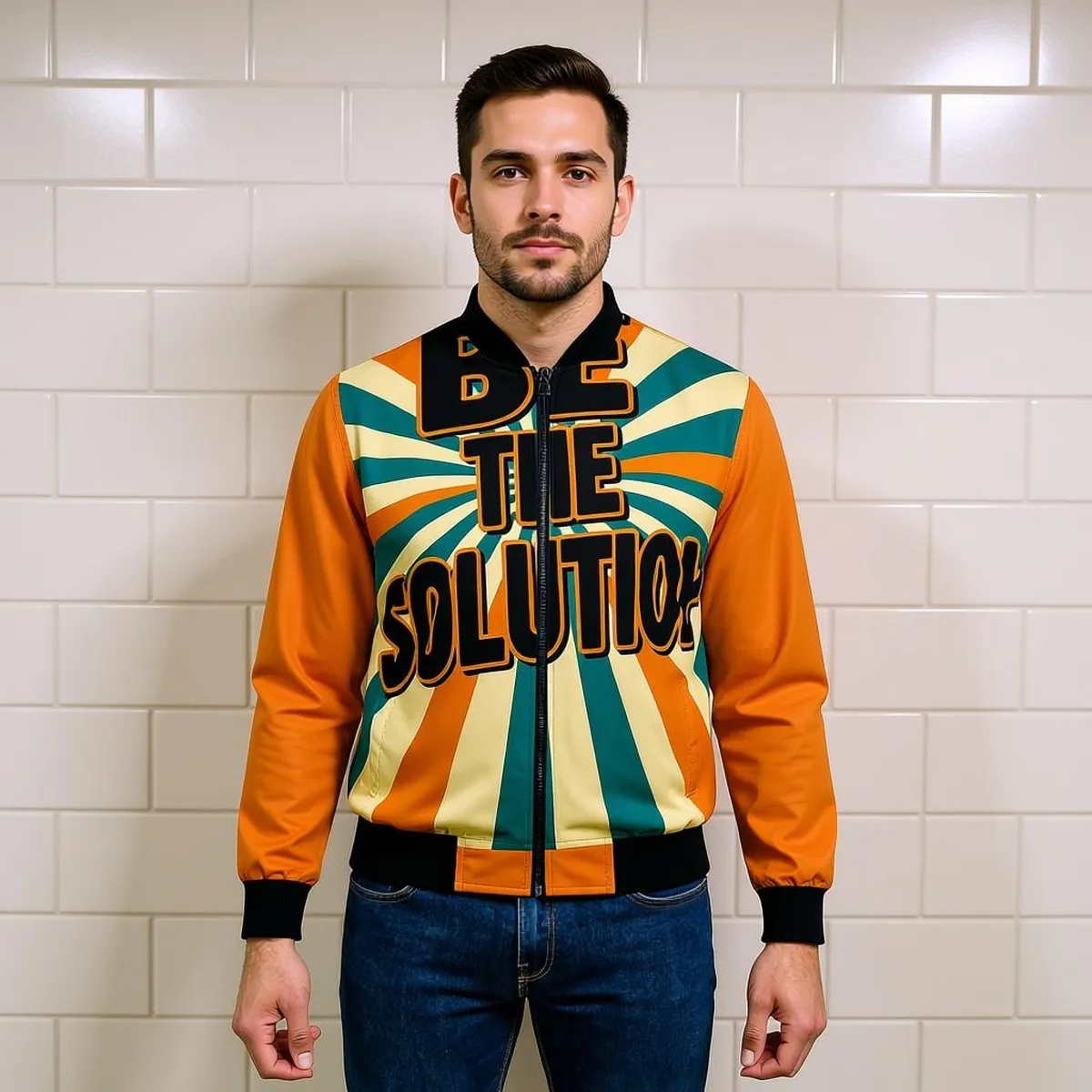
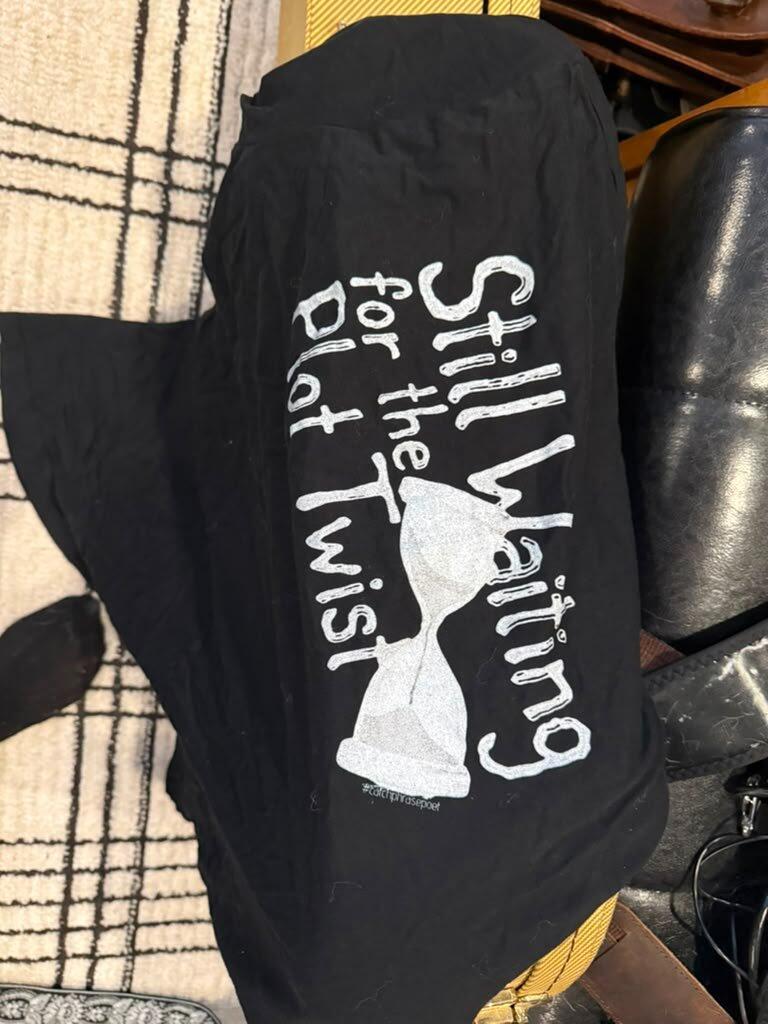
Typography in T-Shirt Design: Creating Impactful Text-Based Graphics for in T-Shirt Design: Creating Impactful Text-Based Graphics for in t-shirt design is the intentional use of type to communicate tone, personality, and message through apparel, and it drives how a shirt reads from across a room.
This article explains why text-based graphics matter for self-expression and merchandising, and it shows how font choices, custom lettering, layout, current trends, and print-on-demand workflows all combine to create memorable apparel. Many designers struggle with legibility, hierarchy, and print-ready files when translating type from screen to fabric; this guide offers "practical solutions" that preserve readability, style, and production fidelity. You will learn which font families work best for statement tees, how hand-lettering and scripts add emotional value, smart placement and sizing rules for front, back, and sleeves, what 2025 trends are shaping typographic tees, and how custom typography integrates with print-on-demand services for personalized apparel. Throughout, we highlight actionable tips—font pairing, spacing, mockup preparation, and production-friendly file specs—so you can design effective text-based graphic tees that print cleanly and resonate with wearers.
What Are the Best Fonts for Impactful T-Shirt Typography?
Choosing a font for a tee balances readability, tone, and print constraints: a great font is legible at distance, matches the shirt’s voice, and survives the chosen print method without losing detail. Sans-serif families excel for bold, modern statements because their simple forms maintain clarity at small and large sizes, while serif and display faces convey nostalgia or personality but require careful sizing. Typeface weight, x-height, and letter spacing directly affect visibility on fabric, and designers should always test fonts at intended print scale before finalizing art.
Research further supports the nuanced differences in legibility between serif and sans-serif fonts, highlighting factors like size thresholds and inter-letter spacing.
Serif vs. Sans Serif Font Legibility Research
assessed legibility using size thresholds and reading speed. Five percentage serif fonts were slightly more legible than sans serif, but the average inter-letter spacing increase that serifs
Below is a quick guide to the most useful font categories and their practical apparel use-cases.
Bold sans-serif: Best for short slogans and punchy statements where clarity matters.
Slab and vintage serifs: Ideal for retro looks and band-style tees that lean nostalgic.
Display and decorative: Use sparingly for short phrases or focal words to add character.
Script and hand-lettered styles: Great for names, signatures, and emotive phrases when sized and spaced correctly.
This list summarizes which font category suits common shirt goals and leads into specific technical comparisons you can apply when choosing type for a design.
Different font categories vary in readability, tonal fit, and common use-cases:
Font Category
Readability / Best Use
Emotional Tone
Sans-Serif (Bold)
High readability at distance; headlines and short slogans
Modern, direct, assertive
Slab/Serif (Vintage)
Moderate readability; larger sizes or short words work best
Nostalgic, sturdy, classic
Display & Decorative
Low readability at small sizes; short focal words only
Expressive, playful, distinctive
Script & Hand-lettering
Readable when high contrast and ample size; names/short quotes
Elegant, personal, handcrafted
This comparison helps you choose a font category by matching readability needs to the design’s emotional goals, and the next subsection explains how serifs and sans-serifs influence an apparel design’s voice and performance.
How Do Serif and Sans-Serif Fonts Influence Apparel Design?
Serif and sans-serif faces carry different historical and visual connotations that affect a tee’s perceived era and purpose. Serif fonts, with their small finishing strokes, naturally recall print heritage and vintage signage, making them effective for nostalgic or premium-feel apparel when used at larger sizes to preserve the serifs’ detail. Sans-serifs remove those strokes for cleaner shapes, which improves legibility at a distance and suits bold, modern statements or youth-focused streetwear. When preparing artwork for fabric, designers must increase stroke weight or choose a heavier variant of a serif if the printed size is small, because thin serifs can fill in or disappear in many print processes. Understanding these tendencies lets you match type to mood and printing reality, and the following subsection highlights display fonts designed specifically to create bold, attention-grabbing shirts.
Which Display Fonts Make Bold Statements on Graphic Tees?
Display fonts are designed to carry personality and attract attention, and on apparel they work best for short headlines, band names, or single-word graphics where detail is visible. Styles like condensed sans displays, heavy slab displays, and retro script displays each evoke a distinct voice—condensed types read as urban and efficient, slab displays feel robust and vintage, while retro scripts bring period-specific charm. Because display fonts often include decorative terminals, ligatures, or textured fills, testing at intended print size and with your chosen print method (DTG, screen print, heat transfer) is critical to avoid loss of fine detail. Pair display faces conservatively—use a neutral sans or simple serif for supporting text—to keep hierarchy readable and prevent visual clutter in the overall layout.
How Can Creative Lettering Techniques Enhance T-Shirt Art?
Creative lettering turns ordinary type into a design element that carries story and style; it includes hand-drawn lettering, script treatments, calligraphy, and custom letterforms that are tailored to the message and garment. Custom lettering increases uniqueness, helps brand recognition, and creates emotional connection because every curve and stroke is deliberately crafted to match the sentiment of the phrase. From a technical perspective, hand-lettered art is sketched, refined, vectorized, and tested in mockups to ensure clean edges for printing, and it often requires additional time for kerning, outlines, and color separation compared with using a pre-made font. The next paragraphs break down the specific benefits of hand-drawn lettering and how scripts and calligraphy should be handled for fabric printing.
Indeed, studies suggest that hand-lettered type can significantly improve memorization compared to digitized typefaces, reinforcing its value in design.
Hand Lettering & Typeface Design for Memorability
Graphic designers have many choices when designing and communicating with words which can be seen throughout history. Hand lettering techniques have been used for centuries to record information. Then with the development of moveable type came the mass production of reading materials and the introduction of typefaces. Today, much written communication is viewed through a digitized typeface on a screen. However, there has recently been a noticeable increase in hand lettered type, one of these reasons being that hand lettered type can be easier for people to remember.Lettering Design: Using Handwritten and Illustrative Techniques to Improve Memorization, 2020
Unique voice: Custom letterforms avoid stock-looking solutions and make designs instantly recognizable.
Flexible composition: Lettering can be shaped to fit badges, circles, or custom paths for better layout control.
Emotional resonance: Organic strokes and irregularities communicate personality that standard fonts rarely achieve.
These benefits make hand-lettering a go-to strategy for designers who want distinct, emotionally resonant tees; the following subsection explains the hand-lettering workflow and its practical value.
What Are the Benefits of Hand-Drawn Lettering for Unique Apparel?
Hand-drawn lettering delivers originality and allows designers to tailor type to garment shapes, color palettes, and graphic elements, which strengthens brand identity and increases perceived value. The typical workflow—concept sketching → refinement → vectorization → print-ready separations—ensures that organic forms translate to crisp prints; vectorization removes jagged edges and provides scalable artwork for multiple garment sizes. Hand-lettered pieces also adapt well to distressing, texture overlays, and layered color effects that support vintage or artisanal aesthetics. Because custom lettering is unique, it can justify premium pricing or limited-run promotions, and designers should provide clear briefs and reference art when "collaborating with hand-letterers" to keep iterations efficient and production-ready.
This discussion of hand-lettering flows into how script and calligraphy styles can add flair while presenting specific legibility considerations.
How Do Script and Calligraphy Styles Add Artistic Flair to Tees?
Script and calligraphy bring an elegant, handcrafted vibe to apparel, making them ideal for names, short inspirational quotes, or decorative accents, but they require careful sizing and contrast to remain legible on fabric. Scripts with generous letter spacing and higher contrast between thick and thin strokes are more likely to reproduce well in screen printing and direct-to-garment processes; conversely, delicate hairlines and tight connections can clog or disappear during printing. Designers should avoid long paragraphs in script—reserve scripts for short phrases or as complementary elements—and test reversed (light text on dark shirts) and distressed treatments to ensure letterforms retain clarity. These practical script rules prepare you to balance beauty with production realities, and the next section explains placement and layout strategies that optimize visibility and hierarchy across garment areas.
What Are Effective Text Placement and Layout Strategies for Graphic Tees?
Effective placement and layout set visual hierarchy—headline, subhead, body—and determine how quickly a message reads and how it complements imagery on a shirt. Size, alignment, and safe margins are central: chest-centered headlines command attention, left-chest logos read as subtle brand marks, back designs allow for longer copy, and sleeve treatments serve niche branding or personalization. A consistent baseline grid and modular spacing system help maintain balance between text and imagery while ensuring type doesn’t interfere with seams, pockets, or printing tolerances. Below is a checklist of essential placement rules designers should follow, plus a comparison table mapping print locations to recommended font sizes and visibility.
Keep primary headlines large and centered or upper-chest for immediate visibility.
Reserve back panels for longer copy or larger graphics to avoid front clutter.
Use sleeve text for subtle branding only; keep it short and high-contrast.
Maintain at least 1–2" safe margins from seams and collar to prevent cropping.
Test contrast and sizing on actual mockups and garment colorways before approval.
This checklist defines core placement principles and leads into a structured comparison of print areas and their recommended typographic treatments.
Print Location
Visibility / Impact
Recommended Font Size & Use
Front Center (Chest)
High immediate impact; focal area
Headline: 48–120 pts depending on design; short slogans
Left Chest / Badge
Low-key, subtle branding
Small logos or names: 18–36 pts; keep short
Back Panel
High-area for extended copy or large art
Large headlines or multi-line copy: 60–180 pts
Sleeves
Low visibility; detail branding
Short text or numbers: 12–30 pts; high contrast essential
This table clarifies which locations suit different typographic purposes and transitions naturally into how to balance text with graphics for maximum visual impact.
How to Balance Text and Graphics for Maximum Visual Impact?
Balancing text and imagery starts with establishing a clear focal point so supporting text remains subordinate and legible; scale the headline to dominate while secondary type uses smaller sizes and restrained weights. Contrast—both color and weight—separates type from busy imagery, and negative space prevents the composition from feeling cramped, which is especially important on smaller chest areas. Designers should create layered mockups (flat + on-figure) to test how type interacts with folds, textures, and garment colors, then iterate spacing and stroke weight for better print outcomes. These balance techniques ensure the message remains readable in real-world wear, and the next subsection describes optimal typography locations and their practical pros and cons for production.
What Are the Best Typography Locations on Front, Back, and Sleeves?
Front center is the go-to for immediate message impact because it sits within the viewer’s natural sightline and supports headline-driven communication, whereas back prints enable longer narratives or bold imagery without crowding the chest area. Sleeves provide subtle branding opportunities—team numbers, small phrases, or personalization—best used sparingly and in high-contrast fonts to remain legible. When choosing locations, account for garment construction: pockets, zippers, and seams can encroach on artwork, so enforce safe zones and proof mockups on similarly sized shirts. This location-aware approach helps you pick the right spot for each message and prepares designs for efficient mockup-to-production handoff; the next section explores typography trends shaping tee design in 2025.
As a practical example for designers preparing product mockups, consider applying recommended typographic treatments to common product types such as t-shirts, hoodies, and sweatshirts; brands like "Catch Phrase Poet" use these formats frequently in their print-on-demand catalog to showcase text-driven designs and mockups.
Which Typography Trends Are Shaping Modern Graphic Tees in 2026?
In 2025, designers are blending retro revivals with bold, expressive typography and minimalist text treatments that emphasize message over ornamentation, while sustainability and storytelling influence type choices and messaging. Retro fonts from the 70s–90s, including slab serifs and period scripts, are resurfacing with authentic textures and muted palettes to evoke nostalgia. At the same time, oversized kinetic type, layered cuts, and experimental letterforms are gaining traction in streetwear for their attention-commanding qualities. Minimalist text-only apparel remains strong for affirmation and lifestyle brands, favoring sans-serif clarity and high-contrast palettes for versatile wardrobe staples. These trends suggest a split market: expressive statement pieces and clean, wearable basics both coexisting in consumer demand.
How Is Retro Typography Making a Comeback in Apparel Design?
Retro typography thrives by using era-specific letterforms—rounded scripts, condensed sans, and slab serifs—paired with muted, sun-faded palettes and texture overlays to simulate age. Distressing techniques, limited color separations, and halftone textures help mimic authentic vintage printing, and designers should deliberately soften edges and lower saturation to avoid overly literal reproductions. When using retro type, balance it with modern composition and fit to keep garments wearable for today’s audience. Understanding these visual cues ensures retro-inspired designs read as intentional and contemporary rather than costume-like.
This exploration of retro revival leads into new expressive trends that push typographic boundaries for 2025.
What Are the Emerging Bold and Expressive Text Trends?
Bold expressive trends include oversized type that dominates the garment, kinetic text that uses slanted baselines or layered offsets, and cut-out or negative-space techniques that create dimensionality. These approaches require rigorous print testing—overprinting, registration shifts, and color layering can introduce artifacts—so mockups and test screens are essential. Designers should also account for garment size variance: oversized type must scale harmoniously across S to XXL to avoid awkward cropping. By planning for production realities, expressive typographic experiments can translate from concept to wearable product without sacrificing print quality.
How Does Custom Typography Elevate Personalized Text-Based T-Shirts?
Custom typography transforms a t-shirt from mere clothing into a personal statement or a brand artifact by creating unique letterforms and layouts tailored to the wearer or campaign. Personalized type increases gifting value and emotional resonance, and custom fonts or hand-lettered phrases help small brands and creators stand out in crowded marketplaces. From a production standpoint, custom typography demands precise file prep—vector outlines, color separations, and verified safe areas—to ensure quality prints across different garments. The next subsections explain the print-on-demand workflow specific to typographic apparel and how customer stories illustrate the power of personalized text tees.
For entrepreneurial designers navigating the crowded online apparel market, custom typography offers a crucial way to establish a unique brand and stand out.
Online Apparel Business for Entrepreneurial Designers
With an incredibly dense online market existing and expanding, the capability of an entrepreneurial designer to sell their work and stand out from the crowd is an ever-growing problem. A small self-owned business can be easily lost in the web’s plethora of ads, get-rich-quick schemes, and content in general. Through case studies, secondary research, and visual research, the graduate student has attempted to thoroughly explore this online realm before executing what she believes to be a prosperous route to success. The word “success” here is referring to the creation of an appealing brand and designed products within the brand. Various online platforms allowing for a sole-owned business have been examined, among which the student believes she has found the best option that also allows for individuality.Dream It & Do It: A Look at the Online Apparel Business Market for Entrepreneurial Designers, 2019
"Catch Phrase Poet" operates as a print-on-demand brand that specializes in unique, artistic clothing and accessories for men, women, and children, focusing on meaningful, expressive designs. Their product mix typically includes t-shirts, hoodies, sweatshirts, tote bags, and ceramic mugs, all made-to-order with an emphasis on creativity, high-quality printing, comfort, and durability. Catch Phrase Poet positions unique and inspired designs, customized items, gifting value, worldwide shipping, and a creative community focus (family, pets, meaningful quotes) as "core benefits" that support designers and customers seeking personalized typographic apparel.
This brand example illustrates how custom typography pairs with POD practices to deliver unique text-based products and leads into the specific POD workflow designers and customers should expect.
What Is the Print-On-Demand Process for Unique Typographic Apparel?
Print-on-demand for typographic apparel typically follows a sequence: design creation, vectorization and file prep, mockup approval, production printing, and made-to-order fulfillment; each step protects typographic fidelity from concept to garment. Designers should supply vector files (outlined type in EPS or PDF), use CMYK color modes where required, and include bleed and safe-area margins to avoid cropping during printing. Quality checks often involve approving on-garment mockups and requesting test prints for complex layering or distressed effects. For customers, this means providing clear text, preferred fonts or lettering samples, and color references to streamline production and reduce revision cycles.
POD steps, typical file requirements, and what customers should provide are summarized below:
Workflow Phase
File / Turnaround Attributes
Customer Deliverables
Design & Prep
Vector outlines, high-res art, CMYK or spot colors
Finalized text, font choices, color references
Mockup & Approval
On-garment preview; revise for sizing and placement
Mockup approval or feedback within production window
Production & Fulfillment
DTG or screen printing depending on order; made-to-order fulfillment
Acceptance of print proof; note on personalization details
This table clarifies expectations for each POD phase and helps customers prepare assets that reduce delays; the following subsection highlights how real customer stories show the emotional impact of personalized text tees.
How Do Customer Stories Reflect the Power of Personalized Text Tees?
Customer anecdotes consistently show that personalized text tees function as memorable gifts, rallying items, and keepsakes because the typography itself embodies the sentiment—names, dates, and inside jokes rendered in a carefully chosen type can create strong emotional resonance. Case examples often involve celebratory designs (birthdays, reunions) and small-batch merch for "niche communities", where custom lettering cements identity and belonging. Brands using POD can feature customer-provided copy in a controlled workflow that verifies legibility and placement before printing to avoid disappointment. These stories demonstrate that good typographic design, paired with reliable POD execution, elevates shirts from commodities to cherished items.
Community Merchandise: Custom typography cements group identity.
Keepsake Apparel: Thoughtful type choices transform shirts into lasting mementos.
These examples show the emotional and commercial advantages of custom typography in wearable design and complete the practical guidance designers need to execute typographic tees that print well and connect with wearers.
An oversized hoodie is the easiest piece in streetwear to wear and the easiest to get wrong. Here's how to style men's oversized hoodies so they read intentional, not just big.
Looking for indie streetwear in Canada? Catch Phrase Poet ships original statement tees and hoodies from the US to Canada. Why the brand fits, plus how GST/HST, duties, sizing, and delivery work.
After indie streetwear in Australia? Catch Phrase Poet ships original statement tees and hoodies from the US to Australia. Why the brand fits, plus how GST, sizing, and delivery Down Under work.
Freedom Graphic Tee: Unisex Tattoo Art T-Shirt Jade Whitaker
Freedom Graphic Tee: Unisex Tattoo Art T-Shirt
I’ve always liked tattoo-style artwork, so this shirt was an easy choice for me. The graphic has a bold look without being too much, and it gives my usual casual outfits more personality.
Thank you! We’re glad the artwork was your style.
A
Tiago Graffiti Zip Hoodie Avery Collins
Tiago Graffiti Zip Hoodie
I liked this hoodie the second I saw the design. The graffiti artwork gives it a lot of personality, and it’s the kind of piece that makes a simple jeans-and-sneakers outfit look much better.
Thank you! We’re glad the graffiti style stood out to you.
M
Chronic Art Unisex Tee: Retro Graphic Cotton T-Shirt Milo Anderson
Chronic Art Unisex Tee: Retro Graphic Cotton T-Shirt
The retro artwork is what caught my attention. It has that worn-in graphic look that goes really well with jeans and sneakers. I’ve already worn it a few times since getting it.
Thanks! We’re glad you’re enjoying the retro style.
Respect the Past Be Present T-Shirt — Inspirational Graphic Tee
I bought this because the message felt meaningful to me. It’s simple, but I like wearing something that reminds me to appreciate where I came from while still focusing on what’s ahead.
Thank you! We’re happy the message connected with you.
The shirt is really comfortable, fits true to size, and the print looks even better in person. I've worn it a few times already, and it always gets a smile or a comment.