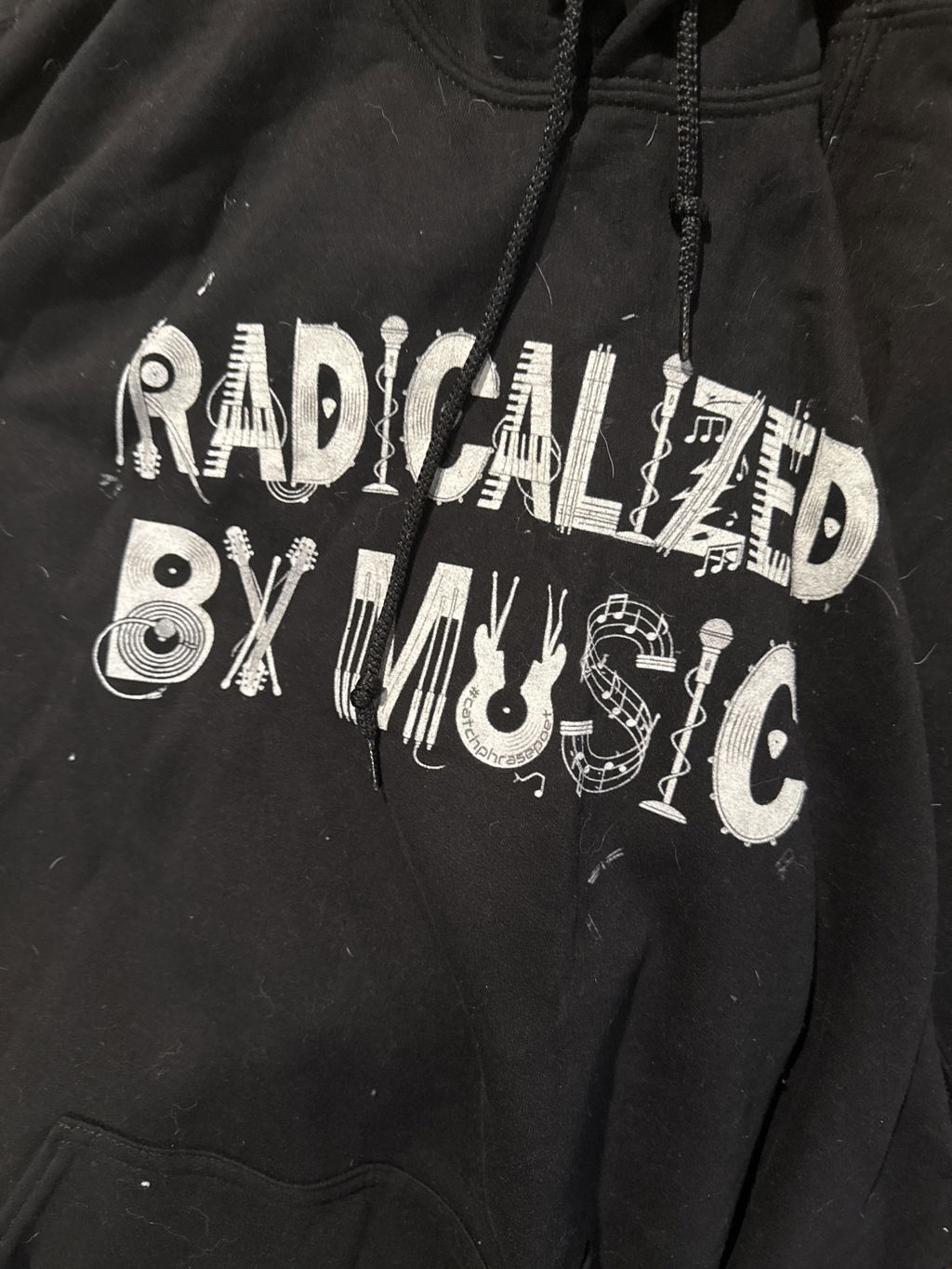
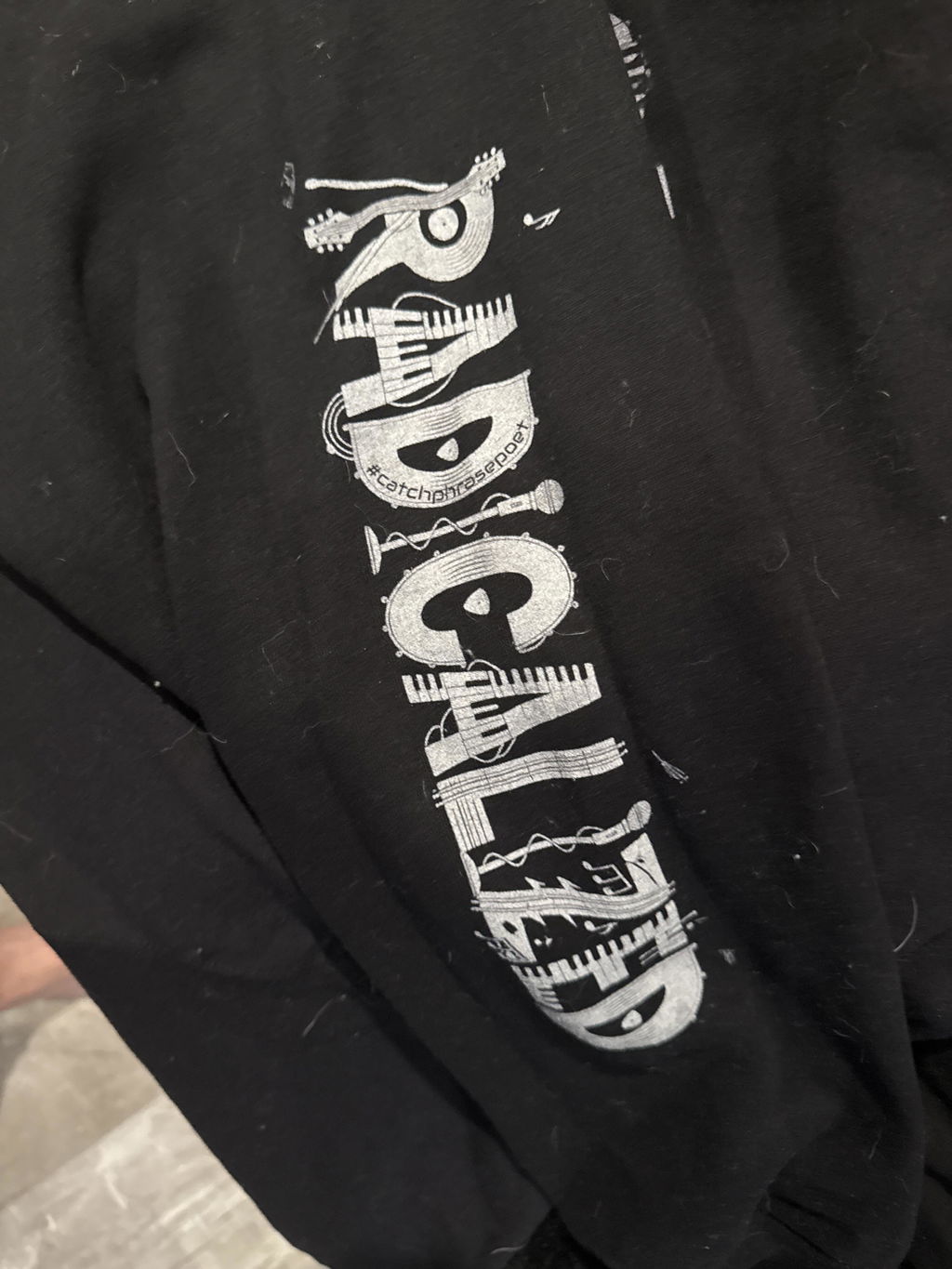
Custom Apparel for Events: Corporate, Weddings, and Special Occasions Guide for Personalized Group Clothing
Custom apparel for events means deliberately designed, personalized clothing produced for a group to unify appearance, reinforce messaging, and create lasting keepsakes for attendees. This guide explains how custom apparel — including custom t-shirts, custom hoodies, and custom sweatshirts — improves visibility, fosters team cohesion, and becomes a memorable component of corporate events, weddings, and special occasions. Event planners often struggle with inconsistent branding, poor fit selection, and tight lead times; personalized group clothing solves those problems by aligning design, material, and production choices to event goals. In the sections that follow you will learn why personalized event clothing matters, which apparel types work best for different occasions, practical design and sizing guidance, a step-by-step ordering timeline, creative ideas for standout merchandise, and clear answers to common questions about bulk custom apparel. Throughout the guide we’ll reference Print-On-Demand and artistic custom event clothing strategies that prioritize made-to-order sustainability and one-of-a-kind designs for keepsakes and brand experiences.
Research further emphasizes the importance of consistent styling in group apparel for user decision-making and overall impact.
Personalized Clothing & Style Consistency for Groups
For clothing recommender system, user social circle and fashion style consistency of clothing items are two important factors, which have critical impacts on user decision making. In this paper, two practical problems are considered: how to visually analyze fashion style consistency between clothing items and how to implement personalized clothing recommendation by combining user social circle and fashion style consistency.
Personalized clothing recommendation combining user social circle and fashion style consistency, ZQ Cheng, 2018
Why Choose Custom Apparel for Your Event? Benefits of Personalized Event Clothing
Custom apparel for events delivers measurable benefits by combining visual identity with functional value: it increases brand visibility, creates shared experiences, and produces wearable keepsakes attendees keep long after the event ends. Personalized clothing works because design elements like logos, names, and dates become mnemonic anchors that reinforce memories and group belonging. Below is a concise list of the primary benefits event organizers can expect when they choose tailored group clothing.
Custom apparel offers these key advantages:
Team Cohesion: Matching apparel creates a visible sense of unity and belonging for groups and volunteers.
Brand Visibility: Branded shirts and hoodies increase recognition in photos and public spaces.
Memorable Keepsakes: Personalized garments serve as tangible reminders, extending event impact beyond the day.
Practical Identification: Uniform apparel simplifies staff recognition and guest assistance at busy venues.
Sustainability via POD: Made-to-order production reduces waste and avoids overstock, aligning events with greener practices.
These benefits make personalized apparel a strategic investment for experiences that value visibility and memory, and the next paragraphs explore corporate and wedding-specific advantages that illustrate how those benefits play out in practice.
How Does Custom Apparel Enhance Corporate Events and Team Building?
Custom apparel enhances corporate events by visually aligning staff, presenters, and attendees with an organization’s brand, which simplifies recognition and strengthens team identity. Branded company hoodies or custom corporate t-shirts act as mobile signage that amplifies event messaging during sessions, networking breaks, and post-event photos, making sponsorships and partnerships more valuable. For team-building, matching shirts signal membership and reduce social friction, boosting morale during activities from workshops to offsite retreats. Design tips for corporate contexts include restrained logo placement, professional color palettes, and high-contrast prints for legibility in event photography. These considerations lead naturally to a discussion of which specific apparel types work best for different corporate use-cases and climates.
What Makes Wedding Party Custom Apparel Memorable and Unique?
Wedding party custom apparel becomes meaningful when personalization, comfort, and artistic design converge to create keepsakes that reflect the couple’s story and event tone. Subtle embroidery of names or roles on soft sweatshirts yields an elevated look for rehearsal dinners, while custom bridal party shirts or hoodies with the wedding date make relaxed pre-wedding gatherings feel curated and cohesive. Material choices such as lightweight cotton blends prioritize comfort for long celebrations, and choosing muted palettes or line-art illustrations keeps apparel photographable alongside formal attire. These design choices naturally connect to apparel selection guidance and the types of items best suited for ceremonies, receptions, and day-after events.
Popular Types of Custom Apparel for Corporate, Wedding, and Special Occasions
Event clothing choices depend on tone, weather, and expected use, so selecting the right garment type ensures both practicality and visual impact. Casual events commonly favor custom t-shirts and custom hoodies for daytime activities and giveaways, while more formal corporate gatherings may prefer polos or lightweight jackets for a professional appearance. Below is a quick typology that maps apparel types to typical event functions.
Common apparel types for events include:
Custom T-Shirts: Versatile, cost-effective, and ideal for casual group identity and giveaways.
Custom Hoodies & Sweatshirts: Comfortable keepsakes for cooler-weather events and rehearsal nights.
Personalized Polos & Jackets: Polished outerwear for conferences, trade shows, and client-facing staff.
To illustrate practical pros and cons for planners, the following table compares apparel types with recommended use-cases for events and note form factors like youth sizing and specialty items.
Apparel Type
Pros / Cons
Best Use-Cases
T-Shirt
Pros: Affordable, photo-friendly. Cons: Less formal.
Family reunions, casual corporate days, bachelorette tees
Pros: Professional look, versatile. Cons: Higher per-unit price.
Conferences, client-facing staff, branded hospitality teams
This comparison helps planners balance budget, tone, and longevity when choosing garments, and it sets up the next section’s focus on materials, printing, and sizing specifics that ensure chosen apparel performs as intended.
Which Custom T-Shirts and Hoodies Are Best for Corporate Events?
For corporate events, the ideal t-shirt or hoodie balances professional visuals with reliable comfort and durability that survives repeated washes and long wear. Soft-style cotton tees often provide a premium hand-feel and photograph well, while performance blends wick moisture for active staff or outdoor events; the design decision should reflect expected activity level and brand formality. Logo placement matters: small chest logos paired with larger back or sleeve treatments create hierarchy and sponsor visibility without overwhelming the garment. Embroidery lends sophistication for polos and jackets, whereas screen printing or direct-to-garment (DTG) printing is typically more cost-effective for larger, full-color designs on tees and hoodies. These material and printing choices lead directly into a detailed comparison of print methods and fabric options in the next section.
How to Design and Customize Your Event Apparel: Materials, Printing, and Sizing
Designing event apparel begins with materials and print method choices that match appearance, durability, and budget; the right combinations determine color fidelity, wash longevity, and comfort. Screen printing provides durable, cost-efficient results for large runs, DTG excels at complex full-color artwork for small to medium batches, and embroidery adds texture and longevity for logos on polos and jackets. Below is a focused comparison of these print methods to guide selection based on event needs, turnaround, and cost.
Print Method
Best For
Turnaround & Cost
Screen Printing
Large runs with simple color palettes
Lower per-unit cost at scale; typical 7–14 day production
Direct-to-Garment (DTG)
Small to medium runs with complex, photographic designs
Higher per-unit cost; faster setup, typical 3–10 day production
Embroidery
Polos, jackets, refined logos and textures
Higher cost per piece; durable, typical 7–14 day production
Understanding these trade-offs clarifies how material choice affects final results and prepares planners for the sizing and bulk-order choices addressed below.
What Are the Best Materials and Printing Techniques for Custom Event Shirts?
Material selection affects print clarity, comfort, and long-term wear: 100% cotton yields vibrant prints and a soft hand, while cotton-poly blends improve durability and wrinkle resistance, and performance fabrics enhance moisture management for active events. Screen printing works well on cotton and blends for bold, simple graphics; DTG performs best on soft, high-cotton-content fabrics when you need detailed, multi-color artwork; embroidery is ideal for thicker fabrics and logos where texture and longevity matter. When choosing materials, consider the event environment, photographic needs, and laundering expectations to match fabric hand, weight, and fiber content with the chosen print method. These material-print pairings inform how you collect sizes and structure bulk discounts, which the next subsection covers.
How to Choose Sizes and Bulk Order Discounts for Group Clothing?
Collecting accurate sizes efficiently minimizes returns and improves attendee satisfaction: use a standard size chart, provide measurement guidance, and gather sizes via a centralized spreadsheet or form that allows for notes on preferred fits. Typical size distributions for general adult groups skew toward a majority of medium and large sizes, with 10–20% small and 5–10% XL+ depending on demographics; communicate anticipated breakdowns with suppliers to help them prepare inventory or set up print runs. Bulk discounts generally scale by order size and complexity: small custom runs incur higher per-unit costs, while medium and large orders obtain stepped discounts; Print-On-Demand (POD) providers may offer flexibility at smaller quantities but different cost structures. The following table summarizes recommended strategies for different order brackets.
This careful approach to sizing is crucial, as studies indicate that unmet expectations regarding the fit of customized clothing can lead to significant customer dissatisfaction.
Managing Fit Expectations in Custom Wedding Apparel
In addition, consumers may have unrealistic expectations of the fit of customized clothing; if the final product fails to meet these expectations, dissatisfaction occurs [26,35].
Mining Customer Experiences of Hybrid Customized Cultural Fashion: The Case of High-End Qipaos for Weddings, C Liu, 2024
Order Size Bracket
Typical Discount & Lead Time
Recommended Strategy
1–50
Minimal discounts; POD or DTG preferred; 3–10 day lead time
Use POD for no-overstock, DTG for complex designs
51–200
Moderate discounts; screen print feasible; 7–14 day lead time
Consider screen printing for cost savings on simple designs
201+
Larger discounts; negotiated pricing; 10–21+ day lead time
Lock in specs early and confirm sample/proof to reduce risk
Planning sizes and discount expectations together helps you set realistic budgets and timelines, which links directly to the ordering process and proofing steps that follow.
Ordering Process and Timeline for Custom Event Apparel: From Design to Delivery
A reliable ordering workflow reduces errors and prevents delays: define a design brief, request digital proofs, confirm sizes and quantities, approve a pre-production sample if needed, and schedule production with clear ship dates. Typical time ranges include proofing (1–3 days), production (5–14 days for most methods), and shipping (2–7 days domestic), with rush options available at higher cost. The numbered steps below give a practical timeline to plan around common event milestones and avoid last-minute rushes.
Design Brief & Artwork Submission: Provide logo files, color specs, and mockups; allow 1–3 days for initial review.
Digital Proof & Revisions: Receive and approve a digital mockup and color proofs; allow 1–4 days for changes.
Sample or Pre-Production Approval: Request a sample for large orders or complex prints; allow 3–7 days.
Production Run: Standard production typically takes 5–14 days depending on method and quantity.
Shipping & Delivery: Factor in 2–7 days for domestic shipping; expedite if needed for event deadlines.
This process helps teams sequence approvals and plan lead time buffers, and the next subsection provides a short EAV-style table showing typical order size recommendations and strategy.
Order Size Bracket
Typical Discount & Lead Time
Recommended Approach
Small (1–50)
Little discount; fast POD/DTG; 3–10 days
Use POD for no-overstock, accept higher unit cost
Medium (51–200)
Moderate discount; screen print viable; 7–14 days
Consolidate sizes and confirm proof before bulk run
Large (201+)
Best per-unit pricing; longer lead times; 10–21+ days
Negotiate payment terms and request samples early
Describing lead times and order sizes together makes it easier to choose a vendor model, and the following H3 clarifies step-level details for submitting artwork and approvals.
What Steps Are Involved in Ordering Personalized Corporate and Wedding Apparel?
Ordering personalized apparel begins with a clear design brief that defines artwork, color values (Pantone or hex), placement, sizes, and delivery deadlines, which gives suppliers the information needed to create accurate proofs. After submitting files, request a digital mockup and allow time for at least one revision round; for large or costly orders, ask for a physical sample to confirm material, print fidelity, and color match. Finalize quantities and sizing spreadsheets, confirm payment terms, and set a firm ship date to align with your event timeline; include contingency time for holiday shipping or supplier backlogs. These procedural steps reduce misunderstandings and help ensure the production timeline remains predictable, which transitions naturally to a discussion of how long orders typically take.
How Long Does It Take to Receive Custom Event Merchandise?
Typical turnaround for custom event merchandise varies by print method and quantity: small DTG orders often complete within 3–10 days, while screen-printed large runs commonly require 7–14 days for production, and embroidered items can extend to 10–21 days depending on stitch complexity. Proofing and sample approval add 1–7 days to the schedule, and shipping adds additional transit time based on distance and chosen service; rush production or expedited shipping can shorten delivery but usually increases cost. Factors that slow lead times include complex multi-color prints, oversized orders, holiday surges, and specialized materials; plan to confirm final details at least 4–6 weeks before most events to avoid surprises. Understanding these ranges helps planners set realistic deadlines and choose production methods aligned with their event timetable.
Creative Ideas and Inspiration for Unique Custom Event Merchandise
Creative, themed apparel makes an event feel curated and encourages social sharing, so design ideas should align with event narratives, color palettes, and audience preferences. Limited-edition artist collaborations, typographic minimalism, retro event logos, and line-art illustrations are current trends that translate well to tees and hoodies and can be produced as small POD runs to test interest. The list below offers idea prompts that translate easily into production and show how different garments support different moods or activities.
Creative theme ideas for events:
Minimal Typography: Clean type-based designs for an elegant, modern look.
Artist-Collaboration Artwork: Commission a local artist for one-of-a-kind prints.
Retro Event Logo: Nostalgic badges for anniversary celebrations or reunions.
Photo-Transfer Mementos: Incorporate event photography for keepsake pieces.
These concepts help you match aesthetic direction to garment type and production feasibility, and the next subsection shows how to bring artistic, one-off apparel to life with practical steps.
What Are Popular Design Themes for Corporate Event Shirts and Gifts?
Corporate design themes often favor restrained branding, retro event emblems, sponsor recognition treatments, and employee-recognition slogans that remain professional while promoting team spirit. A simple chest logo with a subtle sleeve sponsor panel balances brand presence and photogenic simplicity, while retro badges work well on soft tees and volunteer hoodies to create a collectible feel. For client-facing gifts, consider premium materials and embroidered logos to convey value; for mass giveaways, choose bold, high-contrast printed designs that read well in photographs. These theme choices naturally lead to strategies for creating more artistic and limited-edition apparel for weddings and special occasions, which the following section addresses.
How to Create Artistic and One-of-a-Kind Wedding and Special Occasion Apparel?
Creating artistic, limited-run apparel involves collaborating with illustrators, using limited-palette printing choices, and adding bespoke packaging that frames the garment as a keepsake rather than disposable swag. Commission an illustrator for a small series of prints, then run a POD or DTG batch for short runs to avoid overproduction; choose soft tri-blend tees or garment-dyed hoodies to elevate tactile appeal. Include personalized touches such as sewn-in hangtags or a printed thank-you note to enhance perceived value and encourage guests to preserve the piece. These methods show how artisanal processes pair with Print-On-Demand flexibility to deliver memorable, sustainable merchandise for special events.
Frequently Asked Questions About Custom Apparel for Events
This FAQ section gives direct answers to common planner concerns about costs, minimums, lead times, print methods, and sustainability to support quick decision-making. Below are concise responses that can be used for planning checklists and supplier conversations.
Common questions and concise answers:
What are typical minimum order quantities? Many POD providers accept small runs without minimums, while traditional screen printing often has minimums of 24–48 pieces depending on color complexity.
How much does custom apparel cost per piece? Price depends on garment quality, print method, and quantity; small DTG runs cost more per unit than large screen-printed orders.
Can I get a proof or sample before full production? Yes—requesting a digital proof and pre-production sample is standard practice for larger orders.
Is Print-On-Demand sustainable for events? Yes; POD reduces overproduction and supports made-to-order workflows, which minimizes inventory waste and unsold stock.
These answers help planners set expectations and prepare questions for suppliers, and the following H3s address bulk-order concerns and the POD model specifically.
What Are Common Questions About Bulk Ordering and Customization?
Bulk ordering typically raises concerns about minimums, discounts, reprints, and returns; planners should confirm minimum order sizes, tiered pricing, and the supplier’s reprint policy before placing large orders. Discounts generally increase with quantity and decrease with print complexity, so consolidating artwork or limiting color counts can secure better pricing; negotiate lead times and sample approval terms to protect quality. Returns for custom items are often limited, so specifying sizing policies and approving samples beforehand reduces the need for reprints. Understanding these bulk-order mechanics leads directly into the benefits and constraints of Print-On-Demand approaches for event clothing.
How Does Print-On-Demand Ensure Unique and Sustainable Event Clothing?
Print-On-Demand ensures uniqueness and sustainability by producing garments only as ordered, which cuts inventory waste and enables short, artist-driven runs that feel exclusive. POD also allows event teams to offer a broader range of sizes and personalized options without the risk of leftover stock, and modern POD providers implement quality checks and digital proofing to maintain print consistency. For organizers who value artistic custom event clothing, POD combines made-to-order sustainability with the ability to sell or distribute garments on-demand, reducing financial and environmental risk while preserving bespoke design integrity.
This model is foundational for many modern custom apparel ventures, with dedicated services and platforms supporting the production of goods, including clothing, on demand.
Print-on-Demand for Custom T-Shirt Businesses
(print-on-demand) services and platforms. The researcher created a guide to opening an online store based on print-on-demand (POD) business produces goods, including clothing,
Building an online T-shirt business: Utilizing on-demand printing services, 2025
Culture kept drawing this animal because language kept failing to hold the same weight. Guardian. Omen. Beauty with a body count of warnings. A pale coat that looks like winter learned to hunt.
The best birthday gift for a woman who has everything is something that says something. Here are 14 pieces of clothing with messages that actually land — for every type of woman in your life.
Eight outfit ideas for 2026 built around a statement tee — from classic dark denim looks to festival crops, smart casual blazer pairings, and monochrome all-black fits.
Freedom Graphic Tee: Unisex Tattoo Art T-Shirt Jade Whitaker
Freedom Graphic Tee: Unisex Tattoo Art T-Shirt
I’ve always liked tattoo-style artwork, so this shirt was an easy choice for me. The graphic has a bold look without being too much, and it gives my usual casual outfits more personality.
Thank you! We’re glad the artwork was your style.
A
Tiago Graffiti Zip Hoodie Avery Collins
Tiago Graffiti Zip Hoodie
I liked this hoodie the second I saw the design. The graffiti artwork gives it a lot of personality, and it’s the kind of piece that makes a simple jeans-and-sneakers outfit look much better.
Thank you! We’re glad the graffiti style stood out to you.
M
Chronic Art Unisex Tee: Retro Graphic Cotton T-Shirt Milo Anderson
Chronic Art Unisex Tee: Retro Graphic Cotton T-Shirt
The retro artwork is what caught my attention. It has that worn-in graphic look that goes really well with jeans and sneakers. I’ve already worn it a few times since getting it.
Thanks! We’re glad you’re enjoying the retro style.
Respect the Past Be Present T-Shirt — Inspirational Graphic Tee
I bought this because the message felt meaningful to me. It’s simple, but I like wearing something that reminds me to appreciate where I came from while still focusing on what’s ahead.
Thank you! We’re happy the message connected with you.